Stepping into the kitchen, there’s a certain magic that happens when you pick up a wok. The promise of vibrant, flavorful dishes, cooked quickly and efficiently, is truly captivating. For home cooks and culinary enthusiasts alike, the Ceramic Wok Pan offers an exciting evolution, blending the timeless tradition of wok cooking with the demands of modern, health-conscious kitchens. It’s more than just a piece of cookware; it’s an invitation to explore a world of healthy, delicious meals with unparalleled ease.
The Enduring Legacy of the Wok: From Tradition to Innovation
The wok, with its distinctive rounded bottom and deep sides, has been a cornerstone of Asian cuisine for centuries. Originating in China, it was ingeniously designed for maximum heat distribution and versatility, allowing cooks to stir-fry, deep-fry, steam, braise, and stew with a single pan. Traditionally crafted from carbon steel or cast iron, the wok embodied durability and intense heat retention, essential for the rapid cooking techniques it championed.
Fast forward to today, and while the spirit of the wok remains, its materials have evolved to meet new culinary needs and preferences. The advent of non-stick coatings revolutionized convenience, but concerns over certain chemicals led to a search for healthier alternatives. This quest paved the way for the ceramic wok pan, a modern innovation that offers a compelling blend of traditional functionality and contemporary safety.
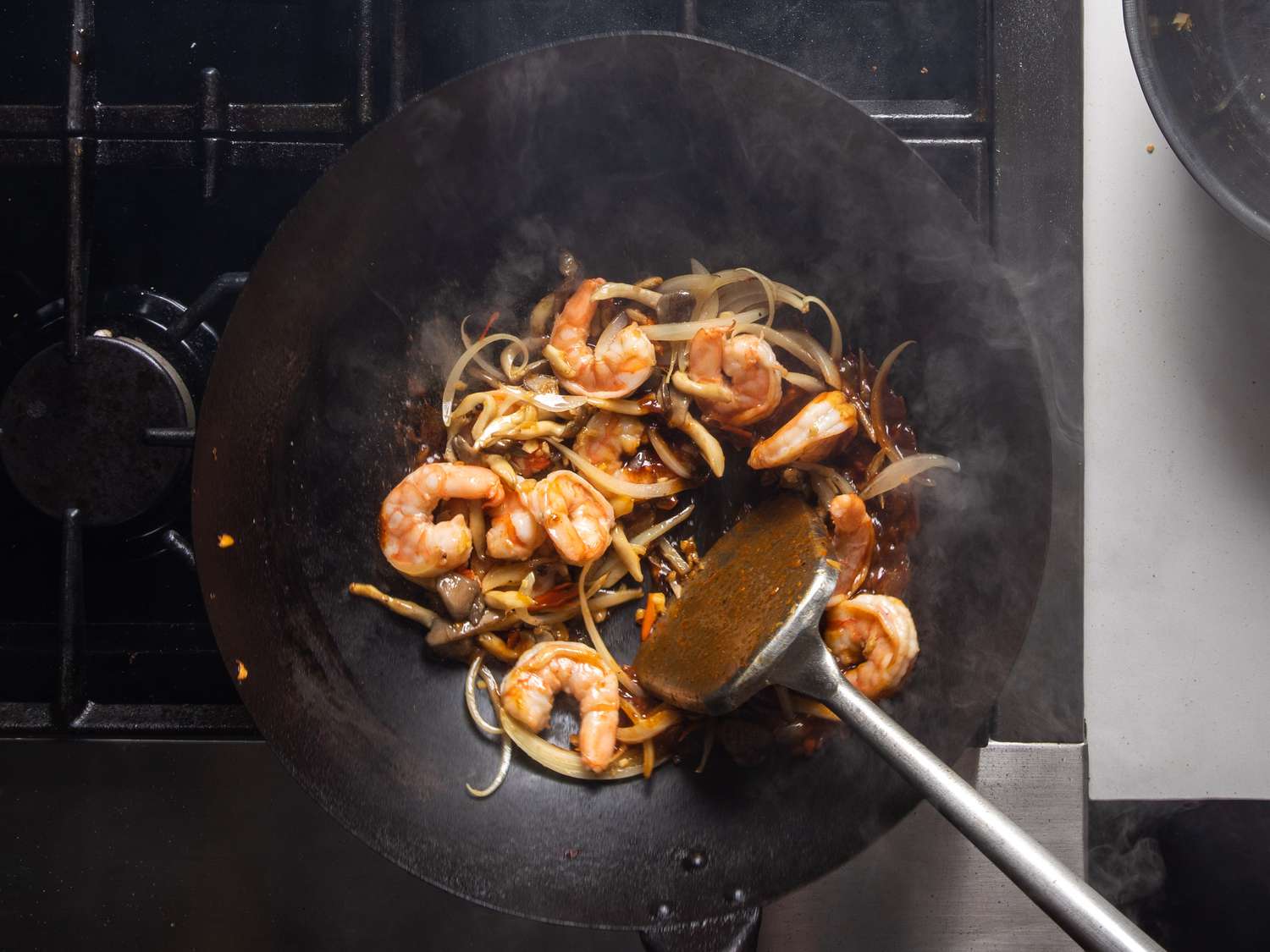
What Makes a Ceramic Wok Pan Shine?
A ceramic wok pan isn’t just another pretty face in the kitchen; it brings a host of benefits that make it a standout choice for discerning cooks.
The Science Behind Ceramic
When we talk about “ceramic” wok pans, we’re usually referring to metal cookware (often aluminum or stainless steel) that’s coated with a silica-based sol-gel. This mineral-derived layer cures into a smooth, glass-like surface, creating the pan’s distinctive non-stick properties. It’s not the same as traditional pottery but offers similar desirable characteristics in a more durable form suitable for stovetop use.
Health at the Heart of Cooking
Perhaps the most compelling advantage of a ceramic wok pan is its commitment to healthier cooking. Unlike some conventional non-stick coatings, ceramic is typically free from harmful chemicals like PTFE (polytetrafluoroethylene), PFOA (perfluorooctanoic acid), and PFAS (per- and polyfluoroalkyl substances). This means you can cook with peace of mind, knowing that no toxic fumes will be released, even at higher temperatures. It’s a natural, mineral-based surface that ensures your food remains pure and unadulterated.
Effortless Culinary Adventures
The naturally slick surface of a ceramic wok pan ensures excellent food release. This means you can use less oil or butter, making your meals lighter and healthier without sacrificing flavor or texture. Eggs slide right off, stir-fries never stick, and cleaning becomes a remarkably simple task. It truly makes cooking a joy, reducing the frustration of food adhering to the pan.
Mastering the Heat
Ceramic wok pans are celebrated for their ability to distribute heat evenly across the entire cooking surface. This uniform heating prevents annoying hot spots that can lead to unevenly cooked food—no more burnt edges and undercooked centers. Whether you’re searing, sautéing, or gently simmering, you can expect consistent results, allowing your ingredients to cook perfectly every time.
Cleaning Up is a Breeze
Thanks to their incredibly smooth, non-stick surface, ceramic wok pans are famously easy to clean. Most food residues can be wiped away with minimal effort, often requiring just warm soapy water and a soft sponge. This ease of maintenance means less time scrubbing and more time enjoying your culinary creations.
Ceramic Wok Pan vs. The Competition: A Head-to-Head Look
Choosing the right wok can be a bit like choosing a dance partner – it needs to complement your style. Let’s see how the ceramic wok pan measures up against its counterparts.
Ceramic vs. Traditional Non-stick (PTFE)
While both ceramic and traditional PTFE-coated non-stick pans offer easy food release, their underlying compositions differ significantly. Traditional non-stick surfaces, particularly older versions, sometimes raised concerns about chemical release when overheated or scratched. Modern PTFE coatings have largely addressed these safety issues, but ceramic alternatives offer an inherently chemical-free appeal from the get-go.
However, when it comes to durability, the comparison can be nuanced. “Ceramic coatings can sometimes be more brittle than traditional non-stick, making them potentially more susceptible to chipping or scratching if not handled with care,” notes Chef Anya Sharma, a seasoned culinary instructor with a focus on healthy cooking techniques. “The lifespan of both types of pans heavily relies on proper usage and maintenance.” While some high-quality ceramic coatings are quite robust, both non-stick and ceramic pans generally have a shorter expected lifespan compared to stainless steel or cast iron, typically needing replacement within a few years.
Ceramic vs. Carbon Steel/Cast Iron
Traditional woks made from carbon steel or cast iron are renowned for their exceptional heat retention and ability to withstand extremely high temperatures, which is crucial for achieving the coveted “wok hei” – the breath of the wok. They require specific seasoning rituals and ongoing maintenance to prevent rust and maintain their non-stick properties.
The ceramic wok pan, on the other hand, is lighter, requires no complex seasoning, and offers immediate non-stick performance. While it might not reach the searing temperatures of a seasoned carbon steel wok or retain heat quite as long as cast iron, its ease of use and chemical-free nature make it a fantastic choice for everyday cooking, especially for those prioritizing convenience and health.
Unleashing Your Ceramic Wok Pan’s Full Potential: Usage and Care
To ensure your ceramic wok pan remains a star in your kitchen for years, understanding its proper use and care is essential. Think of it as a partnership; a little care goes a long way.
The First Dance: Initial Preparation
Before its maiden voyage, give your new ceramic wok pan a gentle hand wash with warm, soapy water to remove any manufacturing residues. A soft sponge is all you need. Rinse thoroughly and dry completely. While some ceramic pans don’t require seasoning, a light rub of cooking oil after drying can help condition the surface for its first use.
Mastering the Flame: Heat Management
This is perhaps the most crucial tip for ceramic cookware: stick to low to medium heat. Ceramic wok pans distribute heat so efficiently that high heat is rarely necessary and can actually degrade the non-stick coating over time. Begin by preheating your wok slowly on low to medium heat for about 3-5 minutes, adding a little oil or fat before it gets too hot. Avoid leaving an empty pan on high heat, as this can quickly lead to overheating and damage.
The Right Tools for the Job
When cooking, use high-quality cooking oils such as avocado oil, extra virgin olive oil, ghee, butter, or rapeseed oil. These oils generally have higher smoke points suitable for the moderate heat used with ceramic pans. Importantly, avoid aerosol cooking sprays, as they can leave a sticky residue that builds up and compromises the non-stick surface. Always opt for wooden, silicone, or nylon utensils to prevent scratches on the delicate ceramic coating. Never use metal spatulas or knives directly in the pan.
Keeping it Pristine: Cleaning and Maintenance
The golden rule for ceramic wok pans is hand-washing. While some might claim to be dishwasher-safe, hand-washing with warm, soapy water and a soft sponge is the best way to preserve the non-stick coating and extend its life. Avoid abrasive scrubbers like steel wool or harsh cleaning detergents, which can damage the surface.
For stubborn stains or burnt-on food, don’t despair. A simple baking soda paste (baking soda mixed with a little water) can work wonders. Apply the paste, let it sit for 15-30 minutes, then gently scrub with a soft sponge. For discoloration, a mixture of equal parts white vinegar and water, simmered gently in the pan for about 5 minutes, can help restore its appearance.
Longevity Secrets: Storage and Thermal Shock
Rapid temperature changes are the enemy of ceramic coatings. Always allow your ceramic wok pan to cool down completely to room temperature before washing it or exposing it to cold water. Similarly, avoid placing frozen foods directly into a hot pan. When storing, stack pans with care. Place a pan protector, a soft cloth, or even a paper towel between stacked pans to prevent scratches and chips.
Stir-Frying and Beyond: Techniques for Your Ceramic Wok
A ceramic wok pan is incredibly versatile, perfect for many cooking techniques, especially those that benefit from a non-stick surface and even heat.
The Art of the Stir-Fry
While traditional stir-frying often calls for intense heat, your ceramic wok pan can achieve fantastic results with medium-high heat. The key is to avoid overcrowding the pan, cooking ingredients in batches if necessary, to maintain heat and ensure proper searing rather than steaming. Its broad surface and sloped sides are ideal for tossing and turning ingredients rapidly, ensuring every piece gets perfectly cooked.
Sautéing and Simmering
Beyond stir-frying, your ceramic wok pan excels at sautéing vegetables, searing proteins like chicken or shrimp, and even gently simmering sauces or curries. Its even heat distribution makes it a reliable choice for dishes that require steady, controlled cooking.
Wholesome and Delicious: Popular Dishes for Your Ceramic Wok
The possibilities are endless with a ceramic wok pan! Here are just a few ideas to get your culinary creativity flowing:
- Classic Chicken and Broccoli Stir-Fry: Quick, healthy, and a family favorite.
- Vegetable Lo Mein: Perfectly cooked noodles and crisp-tender veggies with a savory sauce.
- Shrimp Fried Rice: Fluffy rice, succulent shrimp, and a medley of vegetables, all without sticking.
- Tofu and Bok Choy Stir-Fry: A plant-based delight that cooks beautifully.
- Sautéed Garlic Green Beans: Simple, flavorful, and incredibly easy to prepare.
- Pan-Seared Salmon with Asparagus: A healthy meal cooked to perfection with minimal oil.
Frequently Asked Questions
Is a ceramic wok pan truly non-stick?
Yes, ceramic wok pans offer excellent non-stick properties, allowing food to release easily with minimal oil. However, this non-stick quality is best preserved by using low to medium heat and appropriate utensils.
Can I use my ceramic wok pan on high heat?
It’s strongly recommended to use ceramic wok pans on low to medium heat. High heat can damage the ceramic coating over time, reducing its non-stick effectiveness and overall lifespan.
What kind of oil should I use with my ceramic wok?
Use high-smoke-point oils like avocado oil, grapeseed oil, or refined olive oil. Butter and ghee are also good options. Avoid aerosol cooking sprays, which can cause sticky residue buildup.
How do I remove burnt food from my ceramic wok pan?
For burnt food, let the pan cool, then create a paste with baking soda and a little water. Apply it to the affected area, let it sit, and gently scrub with a soft sponge. For tough spots, simmering a 50/50 water and white vinegar solution can also help.
Are ceramic wok pans durable?
Ceramic wok pans can be durable with proper care, resisting some scratches and general wear. However, the coating can be brittle, so avoiding metal utensils, extreme temperatures, and harsh cleaning methods is crucial for extending their lifespan.
Can I put my ceramic wok pan in the dishwasher?
While some manufacturers claim their ceramic pans are dishwasher-safe, hand-washing is always recommended. The harsh detergents and high temperatures in dishwashers can degrade the ceramic coating over time.
Is a 100% ceramic wok pan different from ceramic-coated?
Yes, 100% ceramic wok pans are made entirely of ceramic material, offering exceptional heat retention and scratch resistance. Ceramic-coated pans have a metal core with a ceramic layer. Both offer non-stick benefits, but 100% ceramic pans are generally heavier and can be more expensive.
Conclusion
The ceramic wok pan is a fantastic addition to any kitchen, offering a harmonious blend of health, convenience, and culinary versatility. It empowers you to create delicious, healthy meals with less fuss, bringing the joy of wok cooking to your daily routine. By embracing proper usage and care, your ceramic wok pan from WokPro.vn will not only become a cherished tool but also an inspiration for countless memorable dishes, allowing you to stir up culinary masterpieces for years to come.