Are you ready to transform your kitchen into a hub of sizzling sensations and aromatic delights? The secret weapon in many culinary arsenals, especially for those passionate about Asian cuisine, is undoubtedly the wok pan. But not just any wok will do. To truly unlock its potential and bring out that incredible “wok hei” – the smoky, complex flavor essential to authentic stir-fries – you need to invest in a Quality Wok Pan. It’s more than just a piece of cookware; it’s a versatile tool that can braise, deep-fry, steam, and, of course, stir-fry with unparalleled efficiency.
The Enduring Legacy: A Brief History of the Wok Pan
The wok pan boasts a rich history, originating in China centuries ago. Traditionally, these round-bottomed vessels were designed to sit perfectly over open flame or charcoal stoves, distributing heat evenly and efficiently. Over time, as cooking methods and kitchen technologies evolved, so did the wok. While its fundamental shape and purpose remain, modern adaptations, like flat-bottomed woks, have emerged to cater to contemporary stovetops, ensuring that the art of wok cooking can be enjoyed in any home.
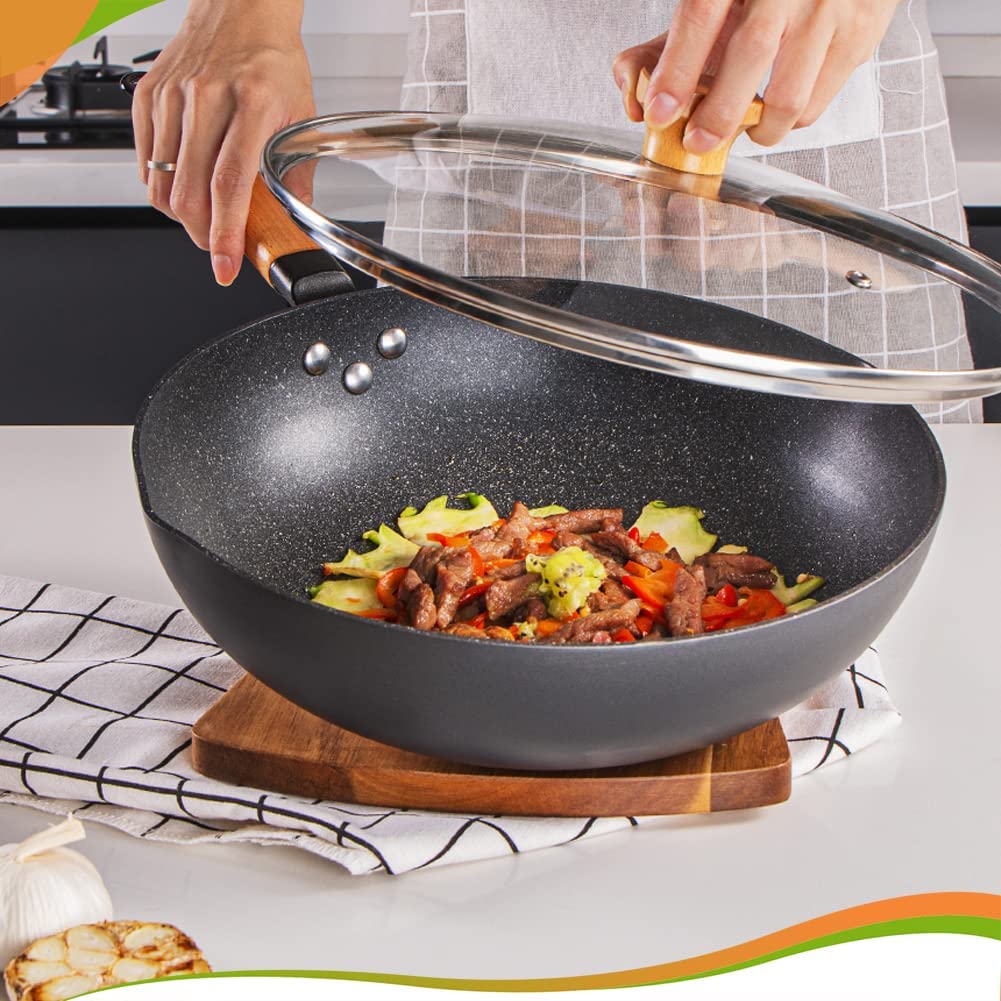
What Makes a Wok Pan Truly “Quality”?
Identifying a high-quality wok pan involves looking beyond surface aesthetics. It’s about understanding the core attributes that contribute to its performance, durability, and the culinary results it helps you achieve.
Beyond the Basics: Understanding Key Attributes
Choosing the right wok comes down to a few critical factors: the material it’s made from, its shape, the handle design, and even its size. Each plays a pivotal role in your cooking experience.
Material Matters: Carbon Steel, Cast Iron, Stainless Steel, and Beyond
The material of your wok pan is arguably the most crucial factor determining its performance.
- Carbon Steel: This is often hailed as the champion for traditional wok cooking. Carbon steel heats up incredibly fast and responds quickly to temperature changes, which is vital for stir-frying. It’s relatively lightweight, making it easy to toss ingredients, and with proper seasoning, develops a natural, durable non-stick surface. Many professional chefs swear by carbon steel for achieving that authentic “wok hei.” However, it does require diligent seasoning and maintenance to prevent rust.
- Cast Iron: Known for its exceptional heat retention, a cast iron wok gets incredibly hot and stays hot, making it perfect for searing and deep-frying. It’s extremely durable, often lasting a lifetime. The trade-off is its considerable weight, which can make tossing food a challenge, and it also requires seasoning to maintain its non-stick properties.
- Stainless Steel: For those seeking easier maintenance and a non-reactive surface (ideal for acidic dishes that might strip seasoning from carbon steel or cast iron), stainless steel is a viable option. Often featuring an aluminum core for better heat distribution, stainless steel woks are durable and generally simpler to clean. However, they tend to be heavier and may require more oil to prevent food from sticking. They also heat up slower than carbon steel.
- Anodized Aluminum: This material offers a hard, non-reactive, and scratch-resistant surface that heats quickly and evenly. While generally more stick-resistant than raw metal, it might not achieve the same searing capabilities as carbon steel or cast iron.
Form Follows Function: Round vs. Flat Bottoms
The bottom shape of your wok is primarily dictated by your stovetop.
- Round Bottom Woks: These are the traditional choice, designed for direct contact with an open flame or specialized wok burners. The concentrated heat at the bottom, combined with cooler sides, creates distinct heat zones perfect for traditional stir-frying techniques. If you have a gas stove and a wok ring, this offers the most authentic experience.
- Flat Bottom Woks: Modern kitchens, especially those with electric or induction cooktops, benefit greatly from flat-bottomed woks. This design ensures maximum contact with the heating element, providing stability and even heat distribution across the base. While they might not replicate the intense focal point of a round-bottom wok, they are highly versatile for most home cooks.
Handles: Your Grip on Culinary Control
Handles are more than just an attachment; they’re your connection to the wok. Look for handles that are securely attached, ideally welded or forged directly from the pan’s body, rather than spot-welded or screwed, which can loosen over time.
- Long Stick Handles: Common in Northern Chinese (Mandarin) woks, these allow for easy tossing and maneuvering of ingredients. Wooden handles are a popular choice as they remain cool to the touch during cooking.
- Side Loop Handles: Often found on Southern Chinese (Cantonese) woks, these are usually two smaller loops, sometimes accompanied by a “helper handle” opposite a long stick handle. These are great for lifting heavier woks or transporting dishes.
Size: Finding Your Perfect Fit
For home cooks, a wok pan typically ranges from 10 to 14 inches in diameter. A 12- to 14-inch wok is generally ideal, offering enough surface area for family-sized meals without being too unwieldy for your stovetop.
Mastering Your Quality Wok Pan: Usage and Care
Owning a quality wok pan is just the beginning. Proper usage and diligent maintenance are key to ensuring its longevity and optimal performance.
The Art of Seasoning (for Carbon Steel & Cast Iron)
For carbon steel and cast iron woks, seasoning is a crucial ritual. This process involves applying thin layers of oil and heating the wok to create a natural, polymerized non-stick coating. A well-seasoned wok not only prevents food from sticking but also imparts a richer flavor to your dishes. It’s a continuous process; with each use, your wok develops a deeper, more robust patina, improving its performance over time.
Everyday Cleaning and Maintenance Tips
Unlike other cookware, woks, especially those made of carbon steel or cast iron, require specific care. After cooking, clean your wok while it’s still warm with hot water and a soft sponge or brush – avoid harsh detergents that can strip the seasoning. Dry it thoroughly immediately to prevent rust, and then apply a thin layer of cooking oil before storing. This simple routine protects your investment and keeps it ready for your next culinary adventure.
Why Avoid Non-Stick for True Wok Cooking
While convenient for some applications, non-stick coatings are generally not recommended for true wok cooking. The high temperatures required for stir-frying can damage the non-stick surface, causing it to degrade and release fumes. Moreover, the constant tossing and scraping inherent in wok cooking can easily scratch and compromise these delicate coatings. For high-heat searing and achieving that cherished “wok hei,” traditional materials like carbon steel are unparalleled.
Unleashing the Heat: Essential Wok Cooking Techniques
A quality wok pan opens up a world of culinary techniques far beyond just stir-frying.
Achieving “Wok Hei”: The Breath of the Wok
“Wok hei” is the elusive, smoky aroma and distinctive caramelized flavor that defines authentic stir-fries. It’s achieved through extremely high heat, rapid cooking, and the unique shape of the wok, which allows steam to escape while intense heat cooks the food quickly. This technique requires practice, but with a good wok, the right heat, and swift movements, you’ll start to capture this magic in your own kitchen.
Beyond Stir-Frying: Versatile Culinary Applications
Don’t let the name “stir-fry pan” limit your imagination. A quality wok is a multi-talented marvel:
- Deep-Frying: The wok’s deep, sloped sides are ideal for deep-frying, requiring less oil than a flat-bottomed pot and minimizing splatters.
- Steaming: Place a steaming rack or bamboo steamer inside the wok with a small amount of water, and you have an instant steamer.
- Braising and Stewing: Its large capacity and ability to retain heat make it excellent for slow-cooked dishes.
- Boiling: From noodles to blanching vegetables, the wok’s volume is perfect for boiling.
- Searing: Achieve a perfect crust on meats and vegetables thanks to its ability to reach and maintain high temperatures.
The WokPro.vn Edge: Why a Quality Wok Pan Elevates Your Cooking
At WokPro.vn, we believe a quality wok pan is an indispensable tool that elevates your cooking in numerous ways. It’s about more than just convenience; it’s about unlocking flavors and techniques previously thought to be exclusive to professional kitchens.
Efficiency and Even Heating
A well-designed wok ensures rapid and even heat distribution, critical for cooking ingredients quickly and uniformly. This efficiency means less time spent cooking and more time enjoying delicious meals.
Healthier Cooking
The high-heat, rapid cooking method of stir-frying allows you to use less oil while retaining the nutrients and vibrant colors of your vegetables. It’s a fantastic way to prepare healthy, flavorful meals with minimal fat.
Unlocking Authentic Flavors
From the subtle char of “wok hei” to perfectly seared textures, a quality wok pan helps you achieve authentic flavors and textures that are simply not possible with standard flat-bottomed pans. It brings the essence of traditional Asian cooking right into your home.
Popular Dishes to Master with Your Quality Wok Pan
With your quality wok pan ready, it’s time to explore a world of delicious possibilities.
Stir-Fries: Classic & Creative
- Classic Chicken and Broccoli Stir-Fry: A timeless favorite, quick and packed with flavor.
- Beef with Snow Peas: Tender beef strips and crisp snow peas, coated in a savory sauce.
- Vegetable Medley Stir-Fry: Customize with your favorite seasonal vegetables for a healthy, vibrant dish.
- Pad Thai or Lo Mein: Woks are perfect for tossing noodles and combining ingredients for these popular dishes.
Deep-Fried Delights
- Crispy Spring Rolls: Achieve perfectly golden and crunchy exteriors.
- Tempura Vegetables and Shrimp: The deep shape allows for efficient frying with less oil.
- Fried Chicken: A smaller batch of perfectly crisp fried chicken is easily managed.
Steamed & Braised Wonders
- Steamed Fish with Ginger and Scallions: A delicate and healthy way to cook fish.
- Braised Pork Belly: Slow-cook succulent pork belly until it’s melt-in-your-mouth tender.
Expert Insights: Choosing Your Quality Wok Pan with Confidence
“When it comes to selecting a wok, focus on the material and craftsmanship. A robust carbon steel wok, especially one with a good gauge thickness and a sturdy, welded handle, will serve you faithfully for years. Don’t be swayed by overly expensive models; often, simplicity and traditional design yield the best results,” advises Chef Mei Lin, a renowned expert in Asian culinary arts and a consultant for WokPro.vn. “The real magic happens with consistent use and diligent care.”
FAQs
What is the best material for a quality wok pan?
For authentic, high-heat cooking and achieving “wok hei,” carbon steel is widely considered the best material due to its rapid heating, quick temperature response, and ability to develop a natural non-stick patina with seasoning.
Can I use a round-bottom wok on an electric stove?
While round-bottom woks are traditional for gas stoves with a wok ring, they are not suitable for electric or induction stoves, which require a flat surface for optimal heat transfer and stability.
How do I season a new carbon steel wok?
Seasoning involves washing the wok, heating it until it changes color, then rubbing thin layers of high smoke point oil (like grapeseed or flaxseed oil) and heating it again, repeating several times until a dark, non-stick layer forms.
Why is “wok hei” important?
“Wok hei,” meaning the “breath of the wok,” is the unique smoky, charred, and caramelized flavor imparted to food cooked rapidly at very high temperatures in a well-seasoned wok. It’s a signature of authentic Chinese stir-frying.
How often should I re-season my wok?
With regular use, your wok will naturally build up and maintain its seasoning. You might need to re-season it fully if it starts to stick or rust, or after a very thorough cleaning. Otherwise, daily oiling after cleaning is usually sufficient.
Conclusion
Choosing a quality wok pan is an investment in your culinary journey, opening doors to a world of vibrant flavors and exciting cooking techniques. From understanding the nuances of different materials and shapes to mastering the art of seasoning and stir-frying, your wok will become a cherished tool in your kitchen. Embrace the sizzle, the aroma, and the sheer versatility of this incredible pan. At WokPro.vn, we’re dedicated to empowering you with the knowledge and tools to create unforgettable meals. So, grab your wok, ignite your passion, and let the culinary adventures begin!