Are you ready to unlock the incredible world of wok cooking? Few pieces of cookware can match the versatility and sheer excitement a wok brings to your kitchen. From lightning-fast stir-fries to crispy deep-fried delights, a good wok can transform your culinary game. But with so many options out there, how do you choose the Best Wok Pan To Buy for your needs? Don’t worry, we’re here to guide you through everything you need to know to make an informed decision and become a wok master.
The journey of the wok began centuries ago in China, a simple yet ingenious cooking vessel designed to make the most of limited fuel resources. Its distinctive rounded bottom and high, sloped sides allowed for concentrated heat, quick cooking, and the ability to toss ingredients with ease. Over time, it traveled across Asia and eventually captivated chefs and home cooks worldwide. What started as a humble tool for sustenance has evolved into a global culinary icon, prized for its efficiency, flavor-enhancing properties, and health benefits.
Understanding the different types and materials available is the first step in finding your ideal wok. Each material brings its own unique set of advantages and considerations, impacting everything from heat distribution to maintenance.
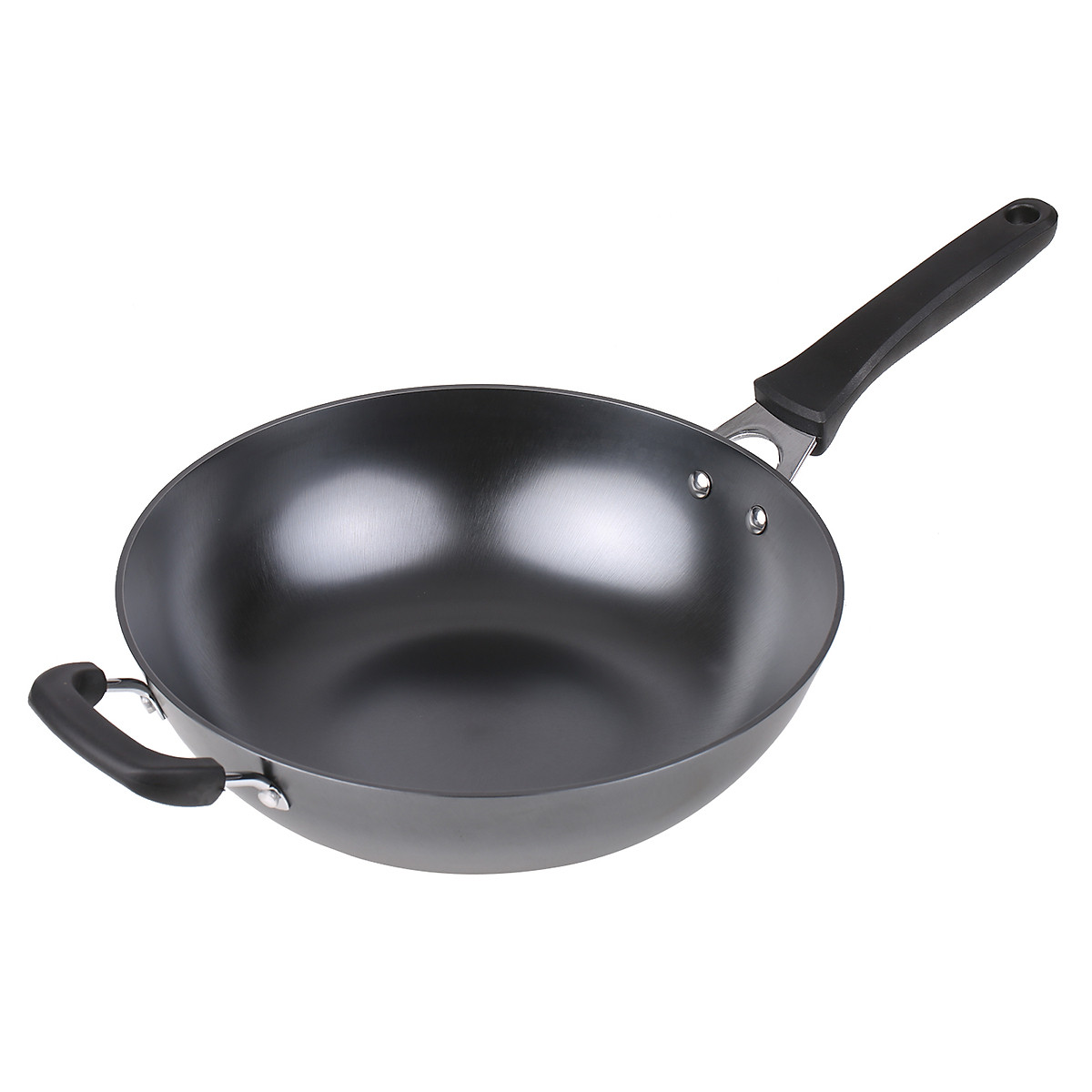
Exploring the World of Wok Pan Materials
Choosing the right material for your wok is crucial, as it directly influences your cooking experience and the flavors you achieve. Here’s a breakdown of the most popular options:
- Carbon Steel Woks: The Traditional Champion
If you’re serious about authentic wok cooking, carbon steel is often hailed as the best wok pan to buy. It heats up incredibly fast, distributes heat evenly, and is highly responsive to temperature changes, which is essential for proper stir-frying. Carbon steel also develops a natural non-stick seasoning over time, much like cast iron, making it more effective with each use. It’s durable, relatively lightweight, and can last a lifetime with proper care. However, it requires seasoning before first use and consistent maintenance to prevent rust. - Cast Iron Woks: Heavy-Duty Heat Retention
Cast iron woks are known for their exceptional heat retention, which is great for searing and maintaining a steady temperature, even when adding a lot of ingredients. They are incredibly durable and, like carbon steel, develop a natural non-stick patina with seasoning. The downside is their weight; cast iron woks can be quite heavy, making tossing and maneuvering a bit more challenging. They also take longer to heat up and cool down. - Stainless Steel Woks: Low Maintenance, Less Traditional
Stainless steel woks are prized for their durability and ease of cleaning. They are rust-resistant and don’t require seasoning, making them a low-maintenance option. However, stainless steel doesn’t conduct heat as efficiently as carbon steel or cast iron, which can lead to hot spots and less even cooking. Some high-quality stainless steel woks feature an aluminum core (tri-ply or multi-ply) to improve heat distribution. They are a good choice for those who prioritize convenience over traditional wok performance. - Non-Stick Woks: Convenience for Beginners
Non-stick woks, often made with an aluminum base and a non-stick coating, offer unparalleled convenience for beginners. Food slides right off, and cleaning is a breeze. They are typically lighter than their carbon steel or cast iron counterparts. The trade-off is durability; non-stick coatings can scratch and degrade over time, especially under the high heat often used in wok cooking. They also limit the maximum heat you can achieve, which can affect the “wok hei” (breath of the wok) flavor.
Flat Bottom vs. Round Bottom Woks: What’s the Difference?
The shape of your wok’s bottom is critical, especially when considering your stovetop.
- Round-bottom woks are the traditional choice, designed for use over high-heat gas burners or specialized wok stoves with a wok ring. This shape maximizes the hot surface area and allows for seamless tossing and stirring.
- Flat-bottom woks are a modern adaptation, perfect for electric, ceramic, and induction cooktops. They provide stable contact with flat heating elements, ensuring efficient heat transfer. While they don’t offer quite the same tossing fluidity as a round bottom, they are incredibly practical for most home kitchens.
“Choosing the best wok isn’t just about the material; it’s about how it fits into your daily cooking rhythm. For me, a well-seasoned carbon steel wok is an extension of my hand, but I always recommend a flat-bottom for anyone with an induction stove,” advises Chef Anya Sharma, a culinary expert known for her Asian fusion cuisine.
How to Choose the Best Wok Pan for You
Beyond material, several factors should influence your decision when you’re looking for the best wok pan to buy:
- Your Stovetop: This is perhaps the most critical consideration. If you have an electric or induction cooktop, a flat-bottom wok is a must. Gas stoves offer more flexibility, allowing for either flat or round-bottom woks with the use of a wok ring.
- Cooking Style and Frequency: If you plan on doing a lot of stir-frying and want to achieve authentic flavors, a carbon steel wok is your best bet. For occasional use or other types of cooking, a stainless steel or non-stick wok might be sufficient.
- Maintenance Preference: Are you willing to put in the effort to season and care for carbon steel or cast iron? Or do you prefer the grab-and-go convenience of stainless steel or non-stick?
- Size: Woks typically range from 12 to 16 inches in diameter. A 14-inch wok is a versatile size for most home cooks, large enough to handle family meals but not too cumbersome.
- Handle Type: Woks usually come with either a long, single handle (like a frying pan) or two smaller loop handles on opposite sides. Some have a combination. Long handles are great for tossing, while loop handles offer better balance for lifting heavier woks.
Wok Pan Usage and Maintenance: Keeping Your Wok in Top Shape
Once you’ve chosen your wok, understanding how to use and care for it will ensure its longevity and performance.
Seasoning Your Carbon Steel or Cast Iron Wok
Seasoning is vital for carbon steel and cast iron woks. It creates a natural non-stick surface and protects against rust.
- Clean Thoroughly: Wash your new wok with hot soapy water to remove any manufacturing oils. Rinse well and dry immediately.
- Heat: Place the wok over high heat on your stove.
- Oil: Once it starts to smoke slightly, add a thin layer of high smoke point oil (like grapeseed, canola, or flaxseed oil).
- Wipe and Heat: Use a paper towel to evenly spread the oil, then continue to heat until it smokes and turns dark.
- Repeat: Repeat the oiling and heating process several times until the wok develops a dark, even patina.
General Care Tips:
- Preheat Properly: Always preheat your wok before adding oil and ingredients to prevent sticking and ensure even cooking.
- Clean Immediately: After cooking, clean your wok while it’s still warm. For seasoned woks, avoid harsh detergents. Use hot water and a stiff brush or sponge.
- Dry Thoroughly: Always dry your wok completely after washing, either on the stovetop over low heat or with a towel, to prevent rust.
- Light Oiling: For seasoned woks, apply a very thin layer of cooking oil after drying, especially if storing for extended periods.
Basic Wok Cooking Techniques to Master
The wok is a master of many culinary arts. Here are a few fundamental techniques:
- Stir-Frying: The quintessential wok technique. High heat, small pieces of ingredients, and constant motion create quickly cooked, flavorful dishes.
- Deep-Frying: The wok’s deep, sloped sides make it ideal for deep-frying, requiring less oil than a flat-bottomed pan and reducing splattering.
- Steaming: With a rack and a lid, your wok transforms into an excellent steamer for dumplings, fish, and vegetables.
- Braising and Simmering: Its large capacity and ability to retain heat make it suitable for slow-cooked dishes.
The Undeniable Benefits of Wok Cooking
Beyond its cultural significance, cooking with a wok offers several practical advantages:
- Healthier Meals: Stir-frying uses minimal oil and cooks vegetables quickly, preserving nutrients and vibrant colors.
- Speed and Efficiency: High heat and direct contact mean incredibly fast cooking times, perfect for busy weeknights.
- Versatility: From searing meats to simmering soups, the wok truly is an all-in-one kitchen essential.
- Unique Flavors: The “wok hei” achieved in a properly heated wok adds a smoky, complex flavor that is hard to replicate in other pans.
Popular Dishes You Can Create with Your Wok
The possibilities are endless! Here are just a few ideas to get you started:
- Classic Chicken and Broccoli Stir-Fry
- Flavorful Shrimp Lo Mein
- Crispy Spring Rolls
- Steamed Fish with Ginger and Scallions
- Vegetable Fried Rice
- Spicy Kung Pao Chicken
Frequently Asked Questions About Wok Pans
We often hear common questions from those looking for the best wok pan to buy. Here are some answers to help clarify:
- What is the ideal material for a wok?
For authentic and high-performance stir-frying, carbon steel is generally considered the ideal material due to its rapid and even heat distribution, responsiveness, and ability to develop a natural non-stick seasoning over time. - Can I use a wok on an induction hob?
Yes, but you need a flat-bottomed wok specifically designed for induction cooktops. Traditional round-bottom woks will not work on induction unless they come with a specialized induction ring. - How often should I re-season my carbon steel wok?
If you use your carbon steel wok frequently, a light re-seasoning every few months or whenever you notice food sticking can be beneficial. Regular cooking with oil will also help maintain the seasoning. - What’s the difference between a wok and a frying pan?
A wok has high, sloped sides and a smaller bottom cooking surface compared to a frying pan’s flat bottom and lower, straight sides. This design allows for higher heat concentration, less splattering, and easier tossing of ingredients in a wok. - What accessories do I need for my wok?
Essential accessories include a long-handled wok spatula (chan), a ladle (hoak), a wok brush for cleaning, and a wok ring for round-bottom woks on gas stoves. A steaming rack and lid are also useful additions.
Your Wok Journey Begins Now
Choosing the best wok pan to buy is the first step towards a thrilling culinary adventure. Whether you opt for the traditional carbon steel, the robust cast iron, or a convenient non-stick option, a wok promises to bring speed, flavor, and a touch of exotic flair to your kitchen. Don’t be afraid to experiment, explore new recipes, and make the wok your own. We at WokPro.vn believe that everyone can be a wok master, and with the right pan and a little practice, you’ll be tossing up incredible dishes in no time. So, fire up your stove, grab your spatula, and let the delicious journey begin!