Have you ever dreamed of whipping up a delicious stir-fry with effortless food release and minimal fuss? The non-stick wok pan might just be your new kitchen champion. For home cooks seeking a blend of traditional stir-frying capability and modern convenience, the non-stick wok offers a compelling solution, making everyday cooking a breeze. It’s a tool that bridges the gap between ancient culinary art and contemporary ease, bringing the vibrant flavors of Asian cuisine right into your home kitchen without the headache of stubborn stuck-on food.
The Rise of the Non-Stick Wok: A Modern Culinary Marvel
For centuries, the wok, traditionally made from carbon steel or cast iron, has been the undisputed king of Asian kitchens. Its distinctive rounded bottom and high, sloping sides were perfectly designed for high-heat cooking, rapid stir-frying, and achieving that coveted “wok hei” – the smoky essence that elevates dishes to another level. However, traditional woks require a significant commitment: diligent seasoning, careful maintenance, and a learning curve for beginners.
Enter the non-stick wok. Born from a desire for simpler cooking and easier cleanup, these modern iterations offer a gateway into wok cooking without the demanding upkeep of their seasoned counterparts. They quickly found their place in kitchens worldwide, appealing to busy individuals and those new to the joys of wok-based dishes. This evolution in wok design reflects a broader trend in cookware, prioritizing user-friendliness and accessibility alongside culinary performance.
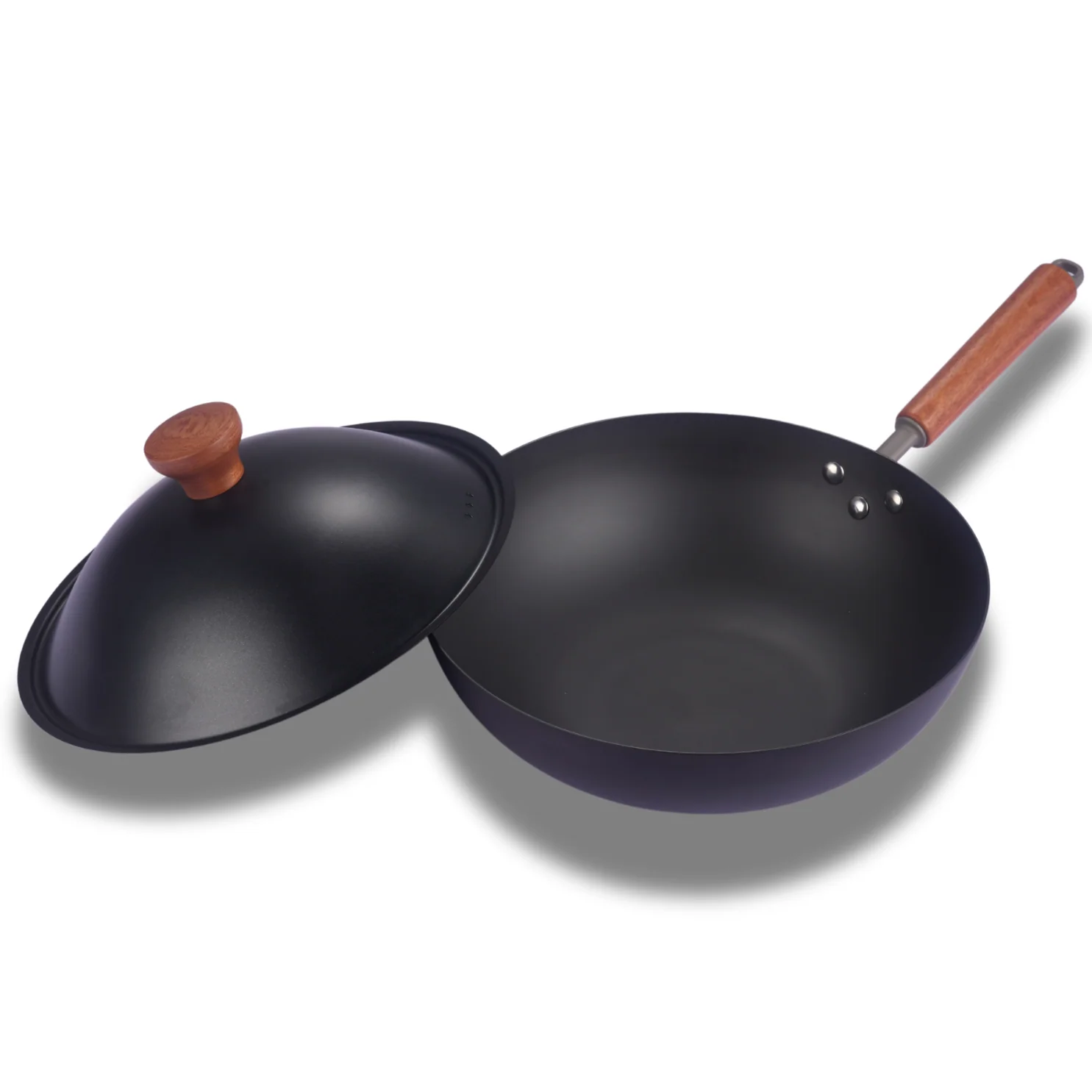
Understanding Your Non-Stick Wok: Materials and Coatings
What makes a non-stick wok so, well, non-stick? It all comes down to the innovative coatings applied to its surface. Understanding these materials is key to choosing the right pan and ensuring its longevity.
The most common non-stick coating is PTFE (Polytetrafluoroethylene), often recognized by the brand name Teflon. Modern PTFE coatings are typically PFOA-free (Perfluorooctanoic Acid), addressing earlier health concerns. These coatings are prized for their incredibly slick surface, making food slide off with minimal oil, and are generally durable against scratching if proper utensils are used. However, PTFE has temperature limitations, usually around 500°F (260°C). Exceeding this can lead to the coating degrading and potentially releasing fumes, which is why it’s not ideal for extremely high-heat, traditional stir-frying.
Another popular choice is ceramic non-stick. These woks boast a smooth, often lighter-colored surface, and are marketed as being free from PTFE, PFOA, and PFAS (per- and polyfluoroalkyl substances). Ceramic coatings offer good non-stick performance and are appealing for those seeking a more “natural” option. However, ceramic non-stick surfaces can be more sensitive to high heat and may lose their non-stick properties more quickly than PTFE-based coatings. Their wear might also be less visible, as the coating can become less effective without obvious damage.
Some woks might also feature anodized aluminum with a non-stick coating, offering a more durable base metal. While carbon steel can achieve a natural non-stick surface through seasoning, and stainless steel can be paired with non-stick coatings, the “non-stick wok pan” typically refers to those with applied chemical coatings designed for superior food release from day one.
Here’s a quick glance at common non-stick wok materials:
| Material Type | Key Characteristics | Heat Tolerance | Durability | Eco-Considerations |
|---|---|---|---|---|
| PTFE-based | Very slick, excellent food release, usually PFOA-free. | Medium (max ~500°F) | Good, but prone to scratches. | Recycling challenges. |
| Ceramic-based | PTFE/PFOA/PFAS-free, attractive, easy to clean. | Medium-Low | Can degrade faster, less visible wear. | Recycling challenges. |
Advantages of the Non-Stick Wok: Why It’s a Kitchen Favorite
So, why do so many home cooks swear by their non-stick woks? The benefits are clear and directly address common kitchen challenges:
- Effortless Food Release: This is the cornerstone. Eggs, delicate fish, or sticky rice slide right off, eliminating frustrating scrubbing sessions.
- Minimal Oil for Healthier Cooking: The slick surface means you can use significantly less oil or fat, contributing to healthier meals without sacrificing flavor.
- Easy Cleanup: A quick wipe with a sponge is often all it takes. This convenience is a game-changer for busy weeknights.
- Beginner-Friendly: If you’re new to wok cooking, a non-stick wok is incredibly forgiving, reducing the chances of food sticking and burning while you master your technique.
- Stovetop Versatility: Most non-stick woks feature a flat bottom, making them perfectly compatible with modern electric and induction stovetops, unlike traditional round-bottomed woks that often require a wok ring.
“A non-stick wok is a brilliant tool for everyday cooking, especially when you’re short on time. It allows home cooks to explore Asian-inspired dishes with confidence, knowing cleanup will be a breeze,” says Chef Lena Khan, WokPro’s lead culinary expert.
The Flip Side: Limitations and Considerations
While undeniably convenient, the non-stick wok pan isn’t without its limitations, especially when compared to its traditional counterparts. Understanding these drawbacks helps manage expectations and ensures you use your pan wisely.
- Heat Tolerance: This is the most significant constraint. Traditional wok cooking demands extremely high temperatures to achieve a quick sear and the unique “wok hei” flavor. Non-stick coatings simply cannot withstand these intense heats. Overheating a non-stick wok, particularly those with PTFE coatings, can damage the surface, degrade its performance, and potentially release harmful fumes. For authentic, high-heat stir-fries, a non-stick wok will fall short.
- Durability and Lifespan: Non-stick coatings, by their very nature, are not as durable as bare metal. They are susceptible to scratches from metal utensils, abrasive cleaners, and even constant scraping during cooking. The non-stick properties will diminish over time, leading to replacement more frequently than a well-maintained carbon steel or cast iron wok, which can last for decades. A study by the Cookware Research Institute suggests an average lifespan of 2-3 years for non-toxic non-stick woks with regular use.
- No “Wok Hei”: Because non-stick woks cannot reach the scorching temperatures required, they cannot produce the distinct smoky flavor and char that defines true “wok hei” in dishes. This means your stir-fries might taste good, but they won’t have that authentic, restaurant-quality depth.
- Environmental Concerns: The relatively shorter lifespan of non-stick woks contributes to more frequent disposal, posing environmental challenges regarding landfill waste and recyclability of composite materials.
Mastering Your Non-Stick Wok: Usage and Care Tips
To get the most out of your non-stick wok pan and extend its life, proper usage and meticulous care are paramount. Treat it well, and it will serve you faithfully.
- Before First Use: Give your new non-stick wok a good wash with mild dish soap and warm water to remove any factory residues. While many come pre-coated, some manufacturers recommend a light seasoning with a high-smoke-point oil (like vegetable or canola) before the first use to create an additional protective layer.
- Cooking Techniques:
- Mind the Heat: Always cook on low to medium heat settings. Avoid the highest flame or element settings. Your non-stick wok is designed for gentle, even heating, not intense searing.
- Always Use Oil: Even though it’s non-stick, always add a small amount of oil, butter, or cooking fat before heating. Non-stick pans are not designed for dry-frying or preheating empty.
- Avoid Cooking Sprays: While convenient, cooking sprays can leave a sticky residue that builds up over time and degrades the non-stick surface. Stick to liquid oils.
- Choose the Right Utensils: This is crucial. Never use metal spatulas, spoons, or tongs with your non-stick wok. Opt for wood, silicone, or plastic utensils to prevent scratches that compromise the coating.
- Cleaning is Key:
- Hand Wash Only: Even if a manufacturer claims “dishwasher-safe,” hand washing is always best. Dishwasher detergents are abrasive and can significantly shorten the life of your non-stick coating.
- Cool Down First: Always let your wok cool completely before washing it. Thermal shock from cold water on a hot pan can damage the coating.
- Gentle Cleaning: Use only warm water, mild dish soap, and a soft sponge or cloth. For stubborn, stuck-on food, soak the wok in warm, soapy water for 15-20 minutes to loosen the residue, then gently wipe it away. Never use abrasive cleaners, steel wool, or harsh scrubbing pads.
- Rinse and Dry Thoroughly: Ensure all soap residue is rinsed off and dry the wok completely to prevent water spots and potential degradation.
- Storage: To protect the delicate surface from scratches, avoid stacking your non-stick wok directly with other pots and pans. If stacking is necessary, place a soft pot protector or cloth between the pans.
- When to Replace: When the non-stick properties begin to fade, food starts to stick regularly, or if the coating becomes visibly scratched, chipped, or peeling, it’s time to replace your non-stick wok.
Cooking Beyond Stir-Fries: Versatility of Your Non-Stick Wok
Don’t let the “wok” in its name limit your imagination! A non-stick wok pan is a surprisingly versatile piece of cookware for many dishes where its non-stick properties shine:
- Sautéing Vegetables: Perfect for quickly cooking vegetables to a tender-crisp texture with minimal oil.
- Frying Eggs and Pancakes: The wide, flat base of many non-stick woks makes them excellent for cooking breakfast staples.
- Gentle Frying: From delicate fish fillets to fritters, the even heating and non-stick surface are ideal for gentle pan-frying.
- Steaming and Poaching: If your non-stick wok comes with a lid, its deep sides make it suitable for steaming dumplings, vegetables, or even poaching fish.
- Fried Rice: While it won’t achieve the high-heat char of a traditional wok, a non-stick wok is fantastic for making perfectly separated, non-sticky fried rice.
Frequently Asked Questions About Non-Stick Woks
Q: Can I use my non-stick wok for high-heat cooking like traditional stir-frying?
A: No, non-stick woks are not designed for the extremely high temperatures required for traditional stir-frying. High heat can damage the non-stick coating and cause it to degrade, potentially releasing fumes. It’s best to use them on low to medium heat.
Q: How long will my non-stick wok last?
A: With proper care, a non-stick wok can last anywhere from 2 to 5 years. However, its lifespan is generally shorter than traditional woks made from carbon steel or cast iron, which can last for decades. Regular, careful use and cleaning will maximize its durability.
Q: Are non-stick woks safe to use?
A: Modern non-stick woks are considered safe for cooking when used as directed. Most are now PFOA-free, and many ceramic options are free from PTFE and PFAS. The key is to avoid overheating them and to replace them if the coating is damaged or peeling.
Q: How do I clean a non-stick wok to preserve its coating?
A: Always hand wash your non-stick wok with warm water, mild dish soap, and a soft sponge or cloth after it has cooled completely. Avoid dishwashers, abrasive cleaners, and metal scrubbers. Soaking can help loosen stubborn food.
Q: What kind of oil should I use in a non-stick wok?
A: Use any high-smoke-point cooking oil like vegetable oil, canola oil, grapeseed oil, or avocado oil. Avoid cooking sprays, as they can leave a sticky residue that damages the coating over time.
Embrace the Convenience: Your Non-Stick Wok Journey
The non-stick wok pan is a testament to how modern innovation can enhance our culinary experiences. While it may not replicate every aspect of traditional wok cooking, its unmatched convenience, ease of cleaning, and ability to cook with less oil make it an invaluable asset in any contemporary kitchen. By understanding its materials, embracing proper care, and utilizing it for its strengths, your non-stick wok can unlock a world of delicious, fuss-free meals. So, go ahead, ignite your stove, and let your non-stick wok inspire your next culinary adventure!