Stepping into the kitchen, a true cooking enthusiast knows the power of having the right tools. Among them, the Wok Frying Pan stands as a titan, a culinary chameleon capable of transforming simple ingredients into extraordinary meals. At WokPro.vn, we believe a wok frying pan is more than just cookware; it’s an invitation to explore vibrant flavors and dynamic cooking techniques. Whether you’re a seasoned chef or just beginning your culinary journey, understanding this iconic pan is your first step to unlocking a world of delicious possibilities.
The Enduring Legacy of the Wok Frying Pan
The story of the wok frying pan is as rich and flavorful as the dishes it creates. Originating in China over 3,000 years ago, this deceptively simple cooking vessel became indispensable across Asia, eventually capturing the hearts and kitchens of cooks worldwide. Its design, honed over centuries, is a testament to functional elegance – a wide, deep bowl with high, sloping sides that allows for incredibly efficient and versatile cooking. The wok’s enduring popularity isn’t just about tradition; it’s about its unparalleled ability to deliver speed, flavor, and culinary creativity in a single pan.
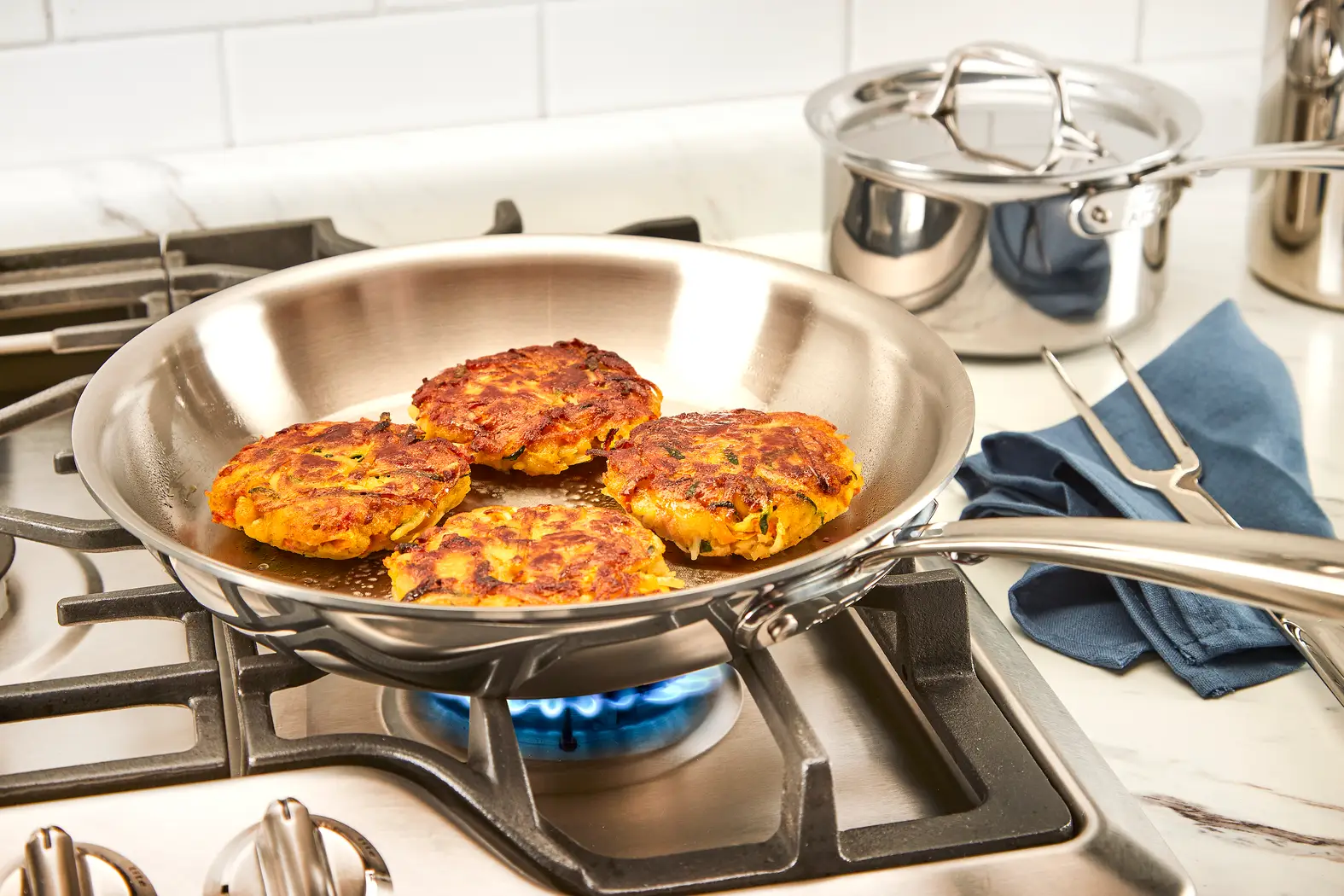
Wok Frying Pan vs. Traditional Frying Pan: What’s the Real Difference?
Many home cooks wonder: isn’t a wok just a fancy frying pan? While both are staples for stovetop cooking, their designs lend themselves to distinct culinary applications. A traditional frying pan typically features a flat bottom and relatively low, flared sides, providing a broad, even surface ideal for searing large cuts of meat, pan-frying, or making delicate omelets. The heat distribution is generally consistent across its flat base, perfect for dishes that require even browning without much stirring.
A wok frying pan, on the other hand, boasts deep, rounded (or sometimes flat) sides that curve upwards dramatically. This unique shape creates distinct heat zones: an intensely hot center for rapid searing, and progressively cooler areas up the sides where food can rest, gently cook, or stay warm without overcooking. This design is paramount for its signature technique: stir-frying. It allows for continuous tossing and turning of ingredients, ensuring quick, even cooking and magnificent flavor development with minimal mess.
So, when do you reach for which? Opt for your wok frying pan when you’re aiming for high-heat, fast-paced cooking, juggling multiple ingredients, or exploring methods like deep-frying, steaming, or braising. Your traditional frying pan will be your go-to for uniform searing, delicate pan-frying, or when you need consistent, lower heat across a wider surface. Ideally, a well-equipped kitchen cherishes both for their unique strengths.
Choosing Your Perfect Wok Frying Pan: Materials and Design
Selecting the right wok frying pan can feel like finding a culinary soulmate – it needs to fit your cooking style and your kitchen. The material is key, each offering a different cooking experience.
Carbon Steel: The Professional’s Choice
For many professional chefs and stir-fry aficionados, carbon steel is the undisputed king of wok frying pans. This material heats up incredibly fast and evenly, reacting almost instantly to changes in heat – a crucial feature for precise stir-frying. Carbon steel woks are also relatively lightweight, making them easy to maneuver for tossing ingredients with that satisfying flick of the wrist. With proper seasoning, a carbon steel wok develops a natural, slick non-stick patina that improves with every use, enriching your dishes with the coveted “wok hei” smoky flavor. Just remember, they do require a little love and care to prevent rust.
Cast Iron: Heat Retention Powerhouse
Cast iron wok frying pans are renowned for their exceptional heat retention. Once hot, they stay hot, making them excellent for achieving a deep, even sear and maintaining consistent temperatures, which is fantastic for deep-frying or slow simmering. While heavier than carbon steel, modern cast iron woks, especially those with helper handles, are a robust and durable choice that can last for generations. They also build a fantastic non-stick seasoning over time, but their weight means they’re less suited for vigorous tossing.
Stainless Steel & Non-Stick: Modern Convenience
Stainless steel wok frying pans, often featuring an aluminum core (3-ply or 5-ply construction is best), offer durability, easy cleaning, and resistance to corrosion. They maintain temperature well, though they might take a bit longer to heat up than carbon steel. While they might require a touch more oil to prevent sticking compared to a well-seasoned carbon steel wok, they are a dependable choice for many cooking tasks.
Non-stick wok frying pans, typically coated with ceramic or other non-stick materials, are a fantastic entry point for beginners. They are incredibly easy to clean and reduce the need for excessive oil, promoting healthier cooking. However, their maximum heat tolerance is often lower, which can limit the ability to achieve the intense “wok hei” char characteristic of traditional stir-frying.
When it comes to design, consider your stovetop. A traditional wok has a rounded bottom, perfect for specialized wok burners that cradle its curve, allowing maximum heat contact. For most home kitchens, a flat-bottom wok frying pan is essential for stability and efficient heat transfer on electric, induction, or standard gas stoves. A size between 10 to 12 inches is often ideal for home cooks, providing ample cooking surface without being unwieldy. Look for a comfortable handle, ideally wood, for a secure, cool grip, and a helper handle if you opt for a heavier model.
The Art of Seasoning Your Wok Frying Pan
Seasoning a new carbon steel or cast iron wok frying pan is a crucial ritual, akin to breaking in a new pair of shoes. It’s the process of creating a protective, naturally non-stick layer, known as a “patina,” that not only prevents rust but also imparts that distinctive, subtle smoky flavor – “wok hei” – to your food. (Note: Non-stick woks do not require seasoning, as their coating already provides a non-stick surface).
Here’s how to properly season your wok frying pan:
- Clean Thoroughly: Start by scrubbing your new wok with hot water and mild dish soap using a sponge or brush to remove any factory-applied anti-rust coating. Rinse completely.
- Dry Completely: Place the clean wok on your stovetop over low heat until all moisture has evaporated. It should be bone dry.
- Heat for Color Change: Turn the heat to high. As the wok heats, you’ll notice the carbon steel begin to change color, often turning shades of dark brown or blueish-gray. This indicates the factory oils are burning off. Continuously rotate the wok to ensure all areas, especially up the sides, undergo this color change. This step can produce smoke, so ensure good ventilation.
- Cool Down: Once the entire wok has changed color, remove it from the heat and let it cool down enough to handle safely.
- Apply Oil: Using a paper towel, apply a very thin, even layer of high smoke point cooking oil (such as peanut, grapeseed, or vegetable oil) over the entire inside surface of the wok. You want just enough to coat it without pooling.
- Reheat and Burnish: Place the oiled wok back on high heat. The oil will begin to smoke. Continue to heat and rotate the wok, allowing the oil to polymerize and form a hard, glossy layer. Ensure all areas of the wok are exposed to this high heat until the smoking subsides in each section.
- Final Wipe & Store: Let the wok cool. Once cool, wipe away any excess oil. Your wok is now seasoned and ready for action!
“Seasoning isn’t just a step; it’s a relationship with your wok,” explains Chef Lena Tran, a renowned Asian cuisine expert. “Each time you cook with oil, you’re nurturing that patina, making your wok more non-stick and flavorful. It’s a true testament to traditional cooking where tools get better with age.”
Unlocking Culinary Magic: Essential Wok Frying Pan Techniques
Cooking with a wok frying pan is a dynamic dance, a symphony of heat, speed, and motion. Here are the core techniques to master:
- High Heat is Your Friend: Woks are designed for intense heat. Get your wok screaming hot before adding oil, and maintain that heat throughout most of your cooking.
- Mise en Place (Everything in its Place): Wok cooking is fast, so have all your ingredients chopped, measured, and ready before you even turn on the stove. There’s no time to chop an onion when your garlic is sizzling!
- Layering Ingredients: Don’t just dump everything in at once. Add ingredients in stages based on their cooking time – aromatics (garlic, ginger), then proteins, followed by denser vegetables, and finally softer vegetables or sauces.
- Keep Things Moving: The essence of stir-frying is constant motion. Use a wok spatula or scoop to continually toss and stir ingredients, ensuring even cooking and preventing sticking. This also helps utilize the different heat zones of the wok.
- Don’t Overcrowd the Pan: Overfilling your wok will drop the temperature drastically, leading to steaming instead of searing. If you have a large batch, cook in smaller portions to maintain high heat and achieve that beautiful caramelized char.
- Utilize Heat Zones: Push cooked items up the cooler sides of the wok to keep them warm while you finish cooking other ingredients in the hot center.
Beyond Stir-Fries: The Multifaceted Benefits of a Wok Frying Pan
While celebrated for stir-frying, the wok frying pan is a true multi-tasker, bringing a host of benefits to your kitchen:
- Unrivaled Versatility: Beyond its stir-fry prowess, a wok can deep-fry crispy spring rolls or tempura, steam dumplings or vegetables (with a bamboo steamer), boil noodles or soups, and even braise tender meats. Its shape naturally contains oil splatter, making deep-frying cleaner and safer.
- Efficient Heat Distribution: The conical shape and high thermal conductivity (especially of carbon steel) ensure rapid and even heating, concentrating intense heat at the base while allowing for cooler zones up the sides. This responsiveness makes precise cooking a breeze.
- Healthier Cooking Options: Due to its efficient design and the high heat, wok cooking often requires significantly less oil compared to other frying methods. The quick cooking times also help preserve the vibrant colors, textures, and nutritional content of vegetables.
- The Elusive “Wok Hei” Flavor: This Cantonese term translates to “breath of the wok” – a complex, smoky, slightly charred aroma and flavor achieved through high-heat cooking in a well-seasoned wok. It’s the secret ingredient in truly authentic Asian dishes.
- Superior Control & Less Mess: The high, sloped sides of a wok keep ingredients contained, allowing you to vigorously toss and stir without fear of food spilling onto your stovetop. This makes for a more enjoyable and cleaner cooking experience.
- Durability and Longevity: With proper care, particularly for carbon steel and cast iron models, a wok frying pan can become a cherished heirloom, serving your family for decades.
Popular Dishes to Master with Your Wok Frying Pan
Ready to get cooking? Your wok frying pan is a gateway to countless delectable meals:
- Classic Stir-Fries: From Chicken and Broccoli to Beef with Snow Peas, the possibilities are endless.
- Flavorful Fried Rice: Whip up restaurant-quality fried rice, utilizing leftover rice for the best texture.
- Noodle Dishes: Pad Thai, Lo Mein, or Singapore Noodles all come alive in the wok.
- Deep-Fried Delights: Perfect for crispy spring rolls, tempura vegetables, or homemade potato chips.
- Steamed Perfection: With a bamboo steamer, create delicate steamed fish, vegetables, or bao buns.
- Quick Soups and Stews: The deep basin is ideal for simmering small batches of broth or a rapid stew.
Wok Frying Pan Care and Maintenance: Keeping Your Culinary Companion Pristine
To ensure your wok frying pan serves you faithfully for years, proper care is paramount, especially for seasoned carbon steel and cast iron.
- Cleaning: After each use, clean your seasoned wok with hot water and a soft brush or sponge. Avoid harsh detergents or abrasive scrubbers, which can strip away the precious patina. For stubborn bits, deglaze with water while the pan is still warm, or use a bamboo wok brush.
- Drying: Always dry your wok immediately and thoroughly after washing. Place it back on the stove over low heat for a minute or two to ensure all moisture evaporates. This is crucial to prevent rust.
- Re-seasoning (Maintenance): After drying, apply a tiny amount of cooking oil with a paper towel, spreading it thinly over the entire interior surface. Heat briefly until a wisp of smoke appears, then turn off the heat. This light re-seasoning helps maintain the non-stick surface and prevents rust.
- Storage: Store your wok in a dry place. If stacking, place a paper towel between your wok and other pans to prevent scratches and absorb any residual moisture.
Frequently Asked Questions About Wok Frying Pans
Can I use a wok frying pan on an induction cooktop?
Yes, but you’ll need a flat-bottom wok frying pan. Traditional round-bottom woks are not compatible with flat induction surfaces. Modern flat-bottom woks are specifically designed to work efficiently on induction, electric, and gas stoves.
How do I prevent my wok frying pan from rusting?
The key to preventing rust in carbon steel and cast iron woks is consistent seasoning and thorough drying after every wash. Never let water sit in your wok, and always apply a thin layer of oil after cleaning. If rust does appear, scrub it off with steel wool, then re-season the affected area.
Is a heavy wok better than a lightweight one?
It depends on the material and your preference. Cast iron woks are inherently heavy due to their excellent heat retention. Carbon steel woks are lighter, making them easier for tossing. Neither is inherently “better,” but a lighter carbon steel wok is often preferred for dynamic stir-frying techniques.
What kind of oil should I use in my wok frying pan?
Always choose cooking oils with a high smoke point, such as peanut oil, grapeseed oil, canola oil, soybean oil, or vegetable oil. These oils can withstand the high temperatures required for wok cooking without breaking down and becoming bitter.
My food is sticking to my seasoned wok. What am I doing wrong?
Food sticking usually indicates one of a few things: your wok isn’t hot enough, you’re not using enough oil, or your seasoning might need to be reinforced. Ensure your wok is preheated until it’s smoking slightly before adding oil and ingredients, and consider a light re-seasoning. Also, avoid overcrowding the pan.
Can I put my wok frying pan in the dishwasher?
Absolutely not, especially for carbon steel and cast iron woks! The harsh detergents and high heat of a dishwasher will strip away your seasoning, leading to rust. Non-stick woks might be dishwasher safe, but hand washing is always recommended to preserve their coating.
How long does it take to get the “wok hei” flavor?
Developing true “wok hei” is an art that comes with practice and a well-seasoned wok. It requires high heat and fast cooking techniques. You’ll start to notice it developing over time as your wok builds up a robust patina and you become more adept at quick, high-temperature cooking.
The wok frying pan is a testament to culinary ingenuity, offering a unique blend of tradition and versatility. It invites you to be adventurous in your cooking, to experiment with new flavors, and to master techniques that transform everyday meals into vibrant experiences. Embrace the heat, master the toss, and discover the joy of cooking with this incredible pan. At WokPro.vn, we’re here to guide you every step of the way, helping you turn your kitchen into a hub of inspiration and delicious artistry. Dive in, and let your wok frying pan lead you to your next culinary triumph!