Welcome to the vibrant world of wok cooking! For centuries, the humble wok pan has been at the heart of countless kitchens, transforming simple ingredients into extraordinary meals. Whether you’re a seasoned chef or just beginning your culinary adventure, understanding the magic of a good wok can unlock a universe of flavors and textures. Here at WokPro.vn, we believe in empowering every home cook to master this versatile tool, making it the centerpiece of healthy, delicious, and efficient cooking. When we talk about a “Tower Wok Pan,” we’re not just discussing a piece of cookware; we’re embracing the rich tradition and modern innovations that make it a towering presence in any kitchen.
The Enduring Legacy of the Wok Pan
The wok’s story is as rich and flavorful as the dishes it creates. Originating in China over two millennia ago, this deep, round-bottomed pan was born out of necessity, designed to conserve fuel in regions where resources were scarce. Its unique shape allows for rapid and even heating, concentrating heat at the bottom while creating cooler zones along the sloping sides. This design is what makes the wok incredibly efficient, allowing for quick cooking with minimal energy. From ancient hearths to modern induction cooktops, the wok has continuously adapted, proving its timeless value and becoming a beloved kitchen staple across the globe.
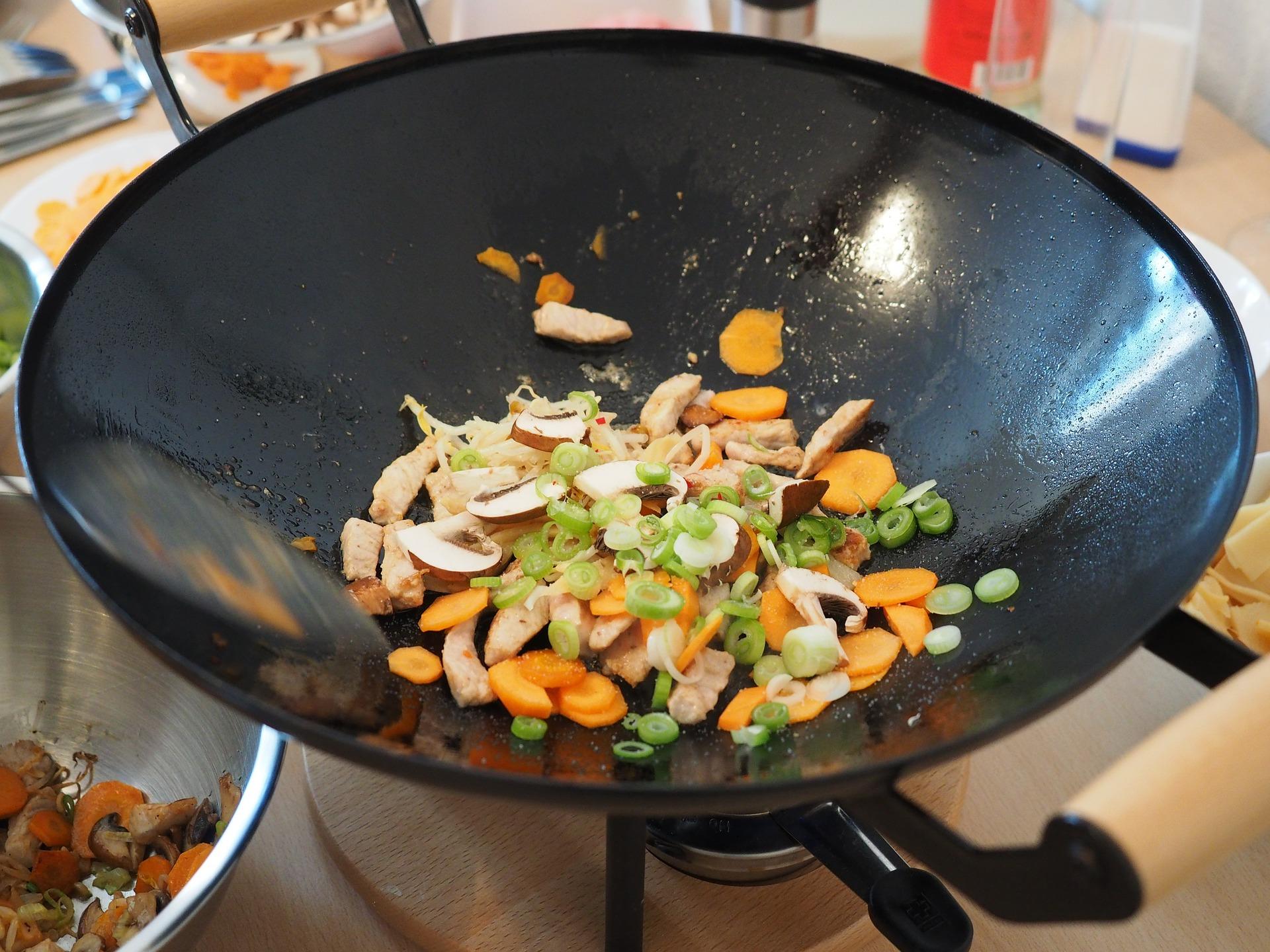
Decoding Wok Pan Materials and Designs
Choosing the right wok pan is like selecting a dance partner – it needs to fit your style. Modern woks come in a variety of materials and designs, each offering distinct advantages for different cooking needs.
What are the main materials used for wok pans?
Traditionally, woks were crafted from carbon steel or cast iron, materials renowned for their excellent heat retention and ability to develop a natural non-stick “seasoning” over time. Today, you’ll also find woks made from aluminum, often featuring advanced non-stick coatings, and stainless steel.
- Carbon Steel Woks: These are the darlings of professional chefs. They heat up incredibly fast and evenly, are lightweight enough for agile tossing, and with proper seasoning, develop a fantastic, naturally non-stick surface. They require a bit of care to prevent rust and maintain seasoning, but the results are unparalleled, especially for achieving that coveted “wok hei” flavor.
- Cast Iron Woks: Heavy and robust, cast iron woks excel at retaining high heat, making them perfect for searing and deep-frying. Like their skillet counterparts, they become more non-stick with use and seasoning, but their weight can make tossing ingredients a workout.
- Aluminum Woks (often with Non-Stick Coatings): Many contemporary wok pans, including those from leading brands, feature a forged aluminum body. Aluminum heats very quickly and is lightweight, making it easy to handle. When paired with advanced non-stick coatings, such as ceramic or Cerastone, these woks offer effortless food release and easy cleanup, perfect for everyday cooking with less oil. They are often PFOA, PFAS, PTFE, lead, and cadmium-free, promoting healthier cooking.
- Stainless Steel Woks: Durable and non-reactive, stainless steel woks are easy to clean and don’t react with acidic foods. However, they can be less efficient at heat conduction unless they have an aluminum core, and often require more oil to prevent sticking compared to seasoned carbon steel or coated aluminum.
Round Bottom vs. Flat Bottom Woks: Which is right for your kitchen?
The classic wok shape features a round bottom, ideal for traditional wok burners that cradle the pan and concentrate intense heat at its base. For most home kitchens with standard gas, electric, or induction hobs, a flat-bottomed wok is a practical necessity. This design ensures direct contact with the heating element, providing stability and efficient heat transfer.
Handles and Lids: Enhancing your wok experience
Woks typically feature either a single long handle (Mandarin style) for easy tossing and maneuvering, or two small loop handles (Cantonese style) for lifting heavier loads, often seen on larger woks. Many modern woks also come with an infuser lid, a clever addition that allows you to add liquids or aromatics during cooking, infusing your dishes with extra flavor and moisture.
Mastering Your Wok: Usage and Care
Proper care of your wok pan ensures its longevity and optimal cooking performance.
How do I season a carbon steel or cast iron wok?
Seasoning is crucial for traditional woks. It involves applying thin layers of oil and heating the pan to create a protective, non-stick, and rust-resistant layer. Regular seasoning after each use helps build up this surface, enhancing flavor and cooking performance over time.
How should I clean my wok pan?
For carbon steel and cast iron, avoid harsh detergents that can strip the seasoning. Instead, use hot water and a gentle brush or sponge. Dry thoroughly and apply a thin layer of oil before storing. For non-stick aluminum woks, hand washing with mild soap and water is often recommended to preserve the coating, although some are dishwasher safe. Always check the manufacturer’s guidelines.
What kind of utensils should I use with my wok?
For non-stick coated woks, silicone or wooden utensils are best to prevent scratching the surface. With carbon steel or cast iron, metal spatulas and ladles are generally fine and can even help build seasoning.
Unleash Your Inner Chef: Wok Cooking Techniques
The wok is a master of many culinary arts. Its unique shape and heat distribution make it ideal for more than just stir-frying.
What are the basic cooking techniques I can do with a wok?
- Stir-Frying: The quintessential wok technique. High heat and continuous movement of ingredients ensure quick, even cooking and vibrant flavors. This is where the “wok hei” (breath of the wok) comes alive – a smoky, caramelized essence that elevates Asian cuisine.
- Deep-Frying: The deep, sloped sides make woks excellent for deep-frying, requiring less oil than a flat-bottomed pot and allowing food to be submerged completely.
- Steaming: With a rack and a lid, a wok transforms into an effective steamer, perfect for vegetables, fish, or dumplings.
- Boiling and Braising: The generous capacity of a wok makes it suitable for boiling noodles, blanching vegetables, or slow-braising meats.
- Smoking: With wood chips and a rack, a wok can even be used as a makeshift smoker for small batches of food, imparting a wonderful smoky flavor.
Why a Wok Pan is a Kitchen Essential
Beyond its versatility, the wok pan offers several compelling benefits that make it an indispensable tool in any kitchen.
What are the benefits of cooking with a wok pan?
- Speed and Efficiency: Woks heat quickly and cook food rapidly due to their design, saving you time and energy. This is particularly beneficial for busy weeknights.
- Healthier Cooking: The high heat of a wok often means less oil is needed for cooking, especially with non-stick surfaces, promoting healthier meal preparation. The quick cooking also helps retain nutrients in vegetables.
- Exceptional Flavor: The high-heat searing creates complex flavors and textures, caramelizing ingredients and locking in juices, especially evident in stir-fries.
- Versatility: As we’ve explored, a single wok can handle stir-frying, deep-frying, steaming, boiling, and more, making it a multi-functional workhorse.
- Easy Cleanup: Many modern woks, particularly those with advanced non-stick coatings, offer incredibly easy cleanup, simplifying your post-meal routine.
Sizzling Delights: Popular Wok Dishes
The possibilities are endless when cooking with a wok. Here are just a few ideas to get your culinary creativity flowing:
- Classic Chicken and Broccoli Stir-Fry: A quick, healthy, and flavorful staple.
- Shrimp Lo Mein: Perfectly cooked noodles with succulent shrimp and crisp vegetables.
- Sweet and Sour Pork: Crispy fried pork tossed in a tangy sauce.
- Pad Thai: The iconic Thai noodle dish, perfectly achievable in a wok.
- Vegetable Fried Rice: A fantastic way to use up leftover rice and veggies.
- Crispy Spring Rolls: Deep-fried to golden perfection.
- Steamed Fish with Ginger and Scallions: A delicate and healthy preparation.
Frequently Asked Questions About Wok Pans
What is the best material for a wok pan?
The “best” material depends on your preference and stovetop. Carbon steel is favored by many for its responsiveness and seasoning, while aluminum with advanced non-stick coatings offers ease of use and maintenance. Cast iron is excellent for heat retention but is heavier.
Can I use a wok pan on an induction hob?
Yes, many modern wok pans are designed with a flat, bonded steel base to be compatible with all hob types, including induction cooktops. Always check the product specifications.
How do I prevent food from sticking in my wok?
For traditional woks, proper seasoning and sufficient heating are key. For non-stick woks, the coating itself prevents sticking. Using enough oil and ensuring the wok is hot before adding food also helps.
Is a flat bottom or round bottom wok better for home use?
For most home kitchens with standard stovetops, a flat-bottomed wok is superior as it provides stability and maximum contact with the heat source, ensuring efficient cooking.
What is “wok hei” and how can I achieve it?
“Wok hei,” or the “breath of the wok,” is the unique smoky, charred, and aromatic flavor imparted to food cooked rapidly at very high temperatures in a wok. To achieve it, use a well-seasoned wok, ensure it’s extremely hot, don’t overcrowd the pan, and keep ingredients moving.
Can I deep-fry in a wok pan?
Absolutely! The deep, sloped sides of a wok make it an excellent vessel for deep-frying, allowing ingredients to be fully submerged in oil while minimizing splatters.
How often should I re-season my carbon steel wok?
A carbon steel wok benefits from light re-seasoning after every use, especially after washing. This maintains its non-stick properties and protects against rust.
Embrace the Culinary Power of the Wok
The “tower wok pan,” in its essence, represents a pinnacle of culinary versatility and efficiency. Whether you’re aiming to whip up a lightning-fast stir-fry or explore more intricate cooking methods, the wok is your ultimate companion. It’s more than just a pan; it’s a gateway to delicious, healthy, and exciting meals that bring people together. We at WokPro.vn are thrilled to be your guide on this flavorful journey, inspiring you to experiment, create, and share the incredible art of wok cooking. So, ignite your passion, grab your wok, and let the culinary adventures begin!