The humble wok, a culinary staple for centuries, has evolved from its traditional roots, finding its place in modern kitchens worldwide. Among its contemporary iterations, the Stainless Steel Wok Pan stands out as a true workhorse, blending the timeless art of wok cooking with the convenience and durability demanded by today’s home chefs. As you embark on or continue your culinary journey, understanding the unique qualities of the stainless steel wok pan can unlock a world of flavorful possibilities, making it an indispensable tool in your kitchen arsenal.
The Enduring Legacy: A Brief History of Wok Pans
The story of the wok begins millennia ago in China, a simple, round-bottomed pan designed to maximize fuel efficiency and versatility. Early woks were primarily crafted from cast iron or carbon steel, materials chosen for their excellent heat properties and resilience over an open flame. Fast forward to the modern era, and innovation brought forth the stainless steel wok pan, a sophisticated blend of tradition and cutting-edge metallurgy. This evolution has made wok cooking more accessible and manageable, particularly for those with diverse cooking needs and modern stovetops, including induction.
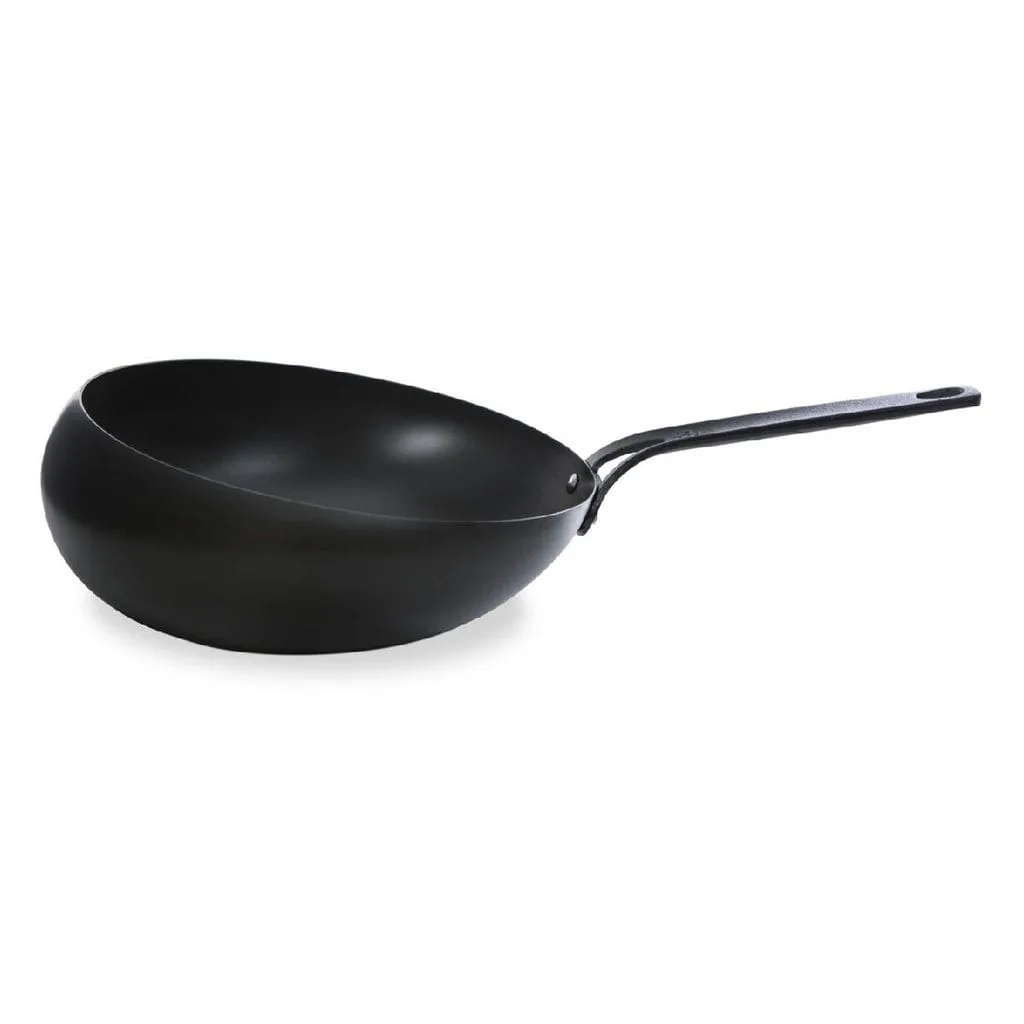
Why Choose a Stainless Steel Wok Pan? The Unbeatable Benefits
Opting for a stainless steel wok pan means investing in a piece of cookware that promises both performance and peace of mind. Its multifaceted advantages make it a top contender for any kitchen.
Durability and Longevity
Stainless steel is synonymous with toughness. A high-quality stainless steel wok pan is remarkably resistant to scratches, dents, rust, and corrosion, designed to endure the rigors of daily cooking without losing its structural integrity or polished appearance. This exceptional durability means your stainless steel wok pan will be a reliable cooking companion for years, if not decades, making it a cost-effective choice in the long run.
Non-Reactive Nature and Food Safety
Unlike some other cookware materials that can react with acidic ingredients, stainless steel is non-reactive. This crucial feature means you can confidently cook with tomatoes, citrus, or vinegar without worrying about metallic tastes or harmful leaching into your food. This non-reactive quality ensures the purity of your flavors and the safety of your meals.
Exceptional Heat Distribution and Retention
While often perceived as slower to heat than carbon steel, modern stainless steel wok pans frequently feature multi-ply construction, often with an aluminum or copper core sandwiched between layers of stainless steel. This intelligent design significantly improves heat conductivity and distribution, ensuring even heating across the entire cooking surface. Once hot, your stainless steel wok pan excels at retaining heat, which is vital for consistent cooking and achieving that perfect sear.
Easy Cleaning and Low Maintenance
One of the most appealing aspects of a stainless steel wok pan is its hassle-free maintenance. Its non-porous surface prevents food particles and flavors from clinging, making cleanup a breeze. Most residue can be easily wiped away with warm, soapy water. While some brands are dishwasher safe, handwashing is often recommended to preserve its pristine condition. “The ease of cleaning a stainless steel wok pan is a game-changer for busy home cooks,” notes Chef Kenji Tanaka. “You get the joy of cooking without the dread of cleanup.”
Aesthetic Appeal and Versatility
With its sleek, shiny finish, a stainless steel wok pan is a beautiful addition to any kitchen. Beyond aesthetics, its versatility is unmatched. It’s adept at a wide array of cooking techniques, including stir-frying, steaming, deep-frying, braising, and even roasting if it has an all-metal construction suitable for oven use. This makes a single stainless steel wok pan capable of replacing several other specialized pots and pans.
Understanding Your Stainless Steel Wok Pan: Types and Materials
Choosing the right stainless steel wok pan involves a few considerations regarding its design and build.
Flat vs. Round Bottom
Traditionally, woks feature a round bottom, ideal for direct heat contact on gas burners or wok rings. However, many modern stainless steel wok pans come with a flat bottom, making them stable and compatible with all stovetop types, including electric, ceramic, and induction cooktops. While a round bottom might offer more dynamic heat zones, a well-designed flat-bottomed stainless steel wok pan can still deliver excellent performance.
Clad Construction
The best stainless steel wok pans typically employ a clad or multi-ply construction. This involves fusing layers of different metals, most commonly an aluminum core, between two layers of stainless steel. The aluminum core provides superior heat conduction, while the stainless steel exterior offers durability and a non-reactive cooking surface. This combination maximizes the benefits of both materials.
Getting Started: Using Your Stainless Steel Wok Pan Like a Pro
Cooking with a stainless steel wok pan can be incredibly rewarding, but mastering a few key techniques is essential to prevent sticking and achieve optimal results.
The Art of Preheating: The Water Test
This is arguably the most crucial step. Always preheat your empty stainless steel wok pan over medium to medium-high heat for a few minutes. To check if it’s ready, perform the “water test”: flick a small drop of water onto the surface. If the water immediately sizzles and evaporates, the pan is not hot enough. If the water forms a cohesive bead that glides across the surface like mercury before evaporating, your wok is perfectly preheated and ready for oil.
The Right Amount of Oil, At the Right Time
Once your stainless steel wok pan is properly preheated, add your cooking oil. Opt for oils with a high smoke point, such as canola, grapeseed, or peanut oil. Swirl the oil to coat the bottom and sides. Wait for the oil to shimmer or just begin to smoke slightly before adding your ingredients. This creates a temporary non-stick barrier.
Temperature Control is Key
While stir-frying demands high heat, constantly adjusting the temperature is important. Overheating can cause food to stick and burn, and even discolor your wok. Maintain a medium to medium-high heat for most tasks, cranking it up to high only when boiling liquids or briefly searing.
Don’t Overcrowd and Let Food Release Naturally
Overcrowding your stainless steel wok pan lowers its temperature, leading to steaming instead of searing, and greatly increases the likelihood of food sticking. Cook in batches if necessary. When cooking proteins, resist the urge to move them immediately. Allow a crust to form on the bottom; the food will naturally release from the surface when it’s ready to be flipped.
“Seasoning” Your Stainless Steel Wok (Optional, for better non-stick)
While not strictly required like carbon steel, you can “season” your stainless steel wok pan to enhance its non-stick properties. After preheating, add a thin layer of high-smoke point oil and heat until it just begins to smoke. Remove from heat, let it cool, then wipe out the excess oil. This creates a polymerized layer that can improve cooking performance over time.
Beyond Stir-Frying: Techniques for Your Stainless Steel Wok Pan
The versatility of the stainless steel wok pan extends far beyond the classic stir-fry. Here are some other techniques you can master:
Searing and Pan-Frying
Thanks to its excellent heat retention, a stainless steel wok pan is superb for searing meats and vegetables, creating a beautiful caramelized crust. Just remember the preheating and oil rules!
Steaming
With a fitted lid and a steaming rack, your stainless steel wok pan transforms into an efficient steamer for dumplings, fish, or vegetables. Its deep sides accommodate ample water and steam, ensuring evenly cooked results.
Deep-Frying
The deep, sloped sides of a wok make it ideal for deep-frying. It uses less oil than a traditional pot for the same amount of food, and the shape helps contain splatters.
Braising and Stewing
With its ability to retain heat and accommodate a lid, a stainless steel wok pan is perfect for slow-cooked dishes like braises and stews, allowing flavors to meld beautifully.
Roasting (if oven-safe)
If your stainless steel wok pan features an all-metal construction, it can be transferred to the oven for roasting vegetables or even small cuts of meat, adding another dimension to its utility.
Caring for Your Stainless Steel Wok Pan: Longevity Tips
Proper care ensures your stainless steel wok pan remains a pristine and high-performing tool for years.
Daily Cleaning Routine
After each use, let your wok cool down. Wash it with warm water and mild dish soap using a soft sponge or brush. Avoid abrasive scrubbers like steel wool, which can scratch the surface. Rinse thoroughly and dry immediately with a towel to prevent water spots and maintain its shine.
Tackling Stubborn Stains and Discoloration
For burnt-on food or stubborn stains, a few simple remedies work wonders. A paste made of baking soda and water, left to sit for a few minutes before gently scrubbing, can effectively remove residue. Alternatively, boiling a solution of water and white vinegar in the wok for a few minutes can loosen stuck-on bits. For a professional gleam, products like Bar Keepers Friend are excellent for restoring stainless steel.
Preventing Pitting
A lesser-known tip for stainless steel cookware is to add salt after liquids have come to a boil, especially when cooking pasta or other dishes with high-volume liquids. Adding salt to cold water can sometimes lead to tiny, permanent indentations or “pitting” on the surface of the pan.
Stainless Steel vs. The Rivals: Carbon Steel and Cast Iron Woks
While all woks aim to achieve similar culinary goals, their materials offer distinct experiences.
Key Differences
- Carbon Steel: Heats rapidly, lightweight, develops a natural non-stick patina with seasoning, traditionally preferred for “wok hei” (the smoky flavor of professional stir-fries). However, it requires rigorous seasoning and is prone to rust if not meticulously maintained.
- Cast Iron: Excellent heat retention, durable, can be naturally non-stick when seasoned. But it’s very heavy, slow to heat up, and also requires diligent seasoning and care.
- Stainless Steel: Durable, non-reactive, easy to clean, requires less rigorous maintenance than carbon steel or cast iron. While it may take a little longer to heat and is heavier than carbon steel, modern clad constructions significantly improve its heat performance. Achieving “wok hei” can be more challenging due to its slower heat response but is possible with proper technique and batch cooking.
Making the Right Choice for Your Kitchen
The choice ultimately depends on your priorities. If you value a low-maintenance, versatile, durable, and non-reactive pan that offers good heat distribution and easy cleanup, the stainless steel wok pan is an excellent choice for everyday cooking. If you’re a purist chasing the elusive “wok hei” and don’t mind the commitment to seasoning and maintenance, carbon steel might be your preference.
Popular Dishes to Master with Your Stainless Steel Wok Pan
Your stainless steel wok pan is ready for an adventure. Here are some dishes to get you started:
- Classic Chicken Stir-Fry: A vibrant mix of proteins and crisp vegetables, quickly cooked to perfection.
- Shrimp Lo Mein: Noodles and shrimp tossed with a savory sauce, a quick and satisfying meal.
- Crispy Fried Rice: Achieve that delightful texture with evenly distributed heat.
- Steamed Fish with Ginger and Scallions: A delicate, healthy dish that highlights the wok’s steaming capabilities.
- Deep-Fried Spring Rolls: Get a perfect golden-brown crisp with efficient oil usage.
- Braised Beef with Star Anise: Let your wok simmer and meld flavors for a tender, aromatic stew.
Frequently Asked Questions
Is a stainless steel wok pan good for stir-frying?
Yes, a stainless steel wok pan is very good for stir-frying, especially those with clad construction for even heat distribution. With proper preheating and oiling techniques, it can create delicious stir-fries with excellent caramelization.
How do you prevent food from sticking in a stainless steel wok pan?
The key is proper preheating: heat the empty wok until a drop of water beads and rolls around. Then, add oil and wait for it to shimmer before adding food. Ensure food is at room temperature, patted dry, and don’t overcrowd the pan.
Do stainless steel woks need to be seasoned?
Unlike carbon steel or cast iron woks, stainless steel woks do not require seasoning for rust prevention or non-stick properties. However, a light seasoning process can help improve its non-stick performance over time.
Can I use metal utensils in a stainless steel wok pan?
Yes, high-quality stainless steel wok pans are generally scratch-resistant, allowing you to use metal spatulas and utensils without worry of damage, unlike non-stick coated pans.
Is a stainless steel wok pan induction compatible?
Most stainless steel wok pans are induction compatible due to their ferromagnetic properties. Always check the manufacturer’s specifications to confirm compatibility with your induction cooktop.
Conclusion
The stainless steel wok pan represents the best of both worlds: the robust performance and culinary versatility of a traditional wok, combined with the low-maintenance and hygienic benefits of modern stainless steel. It’s a durable, non-reactive, and aesthetically pleasing piece of cookware that promises to elevate your cooking for years to come. Whether you’re whipping up a quick stir-fry, steaming delicate fish, or experimenting with new braised dishes, your stainless steel wok pan is a powerful ally in the kitchen. Embrace its capabilities, master its nuances, and unlock a world of delicious possibilities.