Are you dreaming of vibrant stir-fries, perfectly seared proteins, and healthy, flavorful meals, but feel limited by a compact kitchen or cooking for one or two? Enter the Small Wok Pan, your new culinary secret weapon. Far from being a mere scaled-down version of its larger sibling, a small wok pan brings all the dynamic cooking benefits of a traditional wok into a manageable, space-saving format. It’s time to discover how this versatile essential can transform your everyday cooking, making delicious Asian-inspired dishes and much more a joyful reality in any home.
The Enduring Legacy of the Wok Pan
The wok’s history spans over two millennia, originating in China as a fundamental cooking vessel. Its distinctive round bottom and high, sloping sides were perfectly designed for open flames and the energetic tossing (wok hei) central to stir-frying. Over time, its versatility became apparent, adapting to various cooking methods from steaming to deep-frying. While larger woks are ideal for family-sized meals or professional kitchens, the evolution of cookware has brought us the small wok pan, catering to modern living and more intimate culinary adventures. This compact marvel retains the core principles of its ancestors, offering efficient heat distribution and ingredient control in a size that fits seamlessly into smaller households and kitchens.
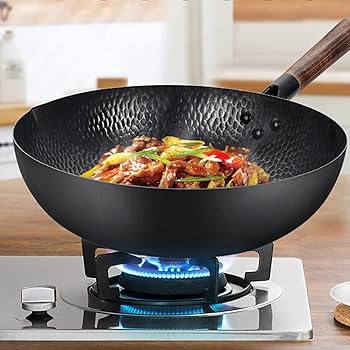
Exploring the World of Small Wok Pans: Materials and Types
Choosing the right small wok pan depends on your cooking style, stovetop, and maintenance preferences. Each material offers a unique cooking experience:
Carbon Steel Small Wok Pans
What is a Carbon Steel Small Wok Pan? Carbon steel is a lightweight yet durable material favored by professional chefs for its exceptional heat conductivity and responsiveness. It requires seasoning, a process of baking oil onto the surface, which creates a natural, non-stick patina that improves with every use.
Why choose it? Carbon steel heats up quickly and evenly, allowing for precise temperature control and the development of that coveted “wok hei” flavor in your stir-fries. Its lighter weight compared to cast iron makes tossing ingredients effortless.
Cast Iron Small Wok Pans
What is a Cast Iron Small Wok Pan? Cast iron woks are known for their impressive heat retention and even heat distribution. They are significantly heavier than carbon steel and, like carbon steel, often require seasoning. Enameled cast iron versions offer easier maintenance without seasoning.
Why choose it? If you value consistent, high heat for searing and deep-frying, a cast iron wok is an excellent choice. It also doubles as an attractive serving dish due to its ability to keep food warm. However, its weight means less agile tossing.
Non-Stick Small Wok Pans
What is a Non-Stick Small Wok Pan? These woks feature a specialized coating that prevents food from sticking, making them incredibly easy to clean and requiring minimal oil.
Why choose it? Perfect for beginners or those prioritizing convenience, non-stick small woks simplify cooking and cleanup. They are generally lighter, making them easier to handle for tossing. However, they typically can’t withstand the very high heat that carbon steel or cast iron can, and metal utensils should be avoided to protect the coating.
Stainless Steel Small Wok Pans
What is a Stainless Steel Small Wok Pan? Stainless steel woks are durable, non-reactive (meaning they won’t react with acidic foods), and relatively easy to clean. Often, they feature an aluminum core for better heat conduction.
Why choose it? Stainless steel woks are a great option for those who cook acidic dishes frequently or prefer a pan that doesn’t require seasoning. While they don’t achieve the same high heat as carbon steel as quickly, good quality stainless steel woks with a tri-ply construction offer even heating and durability.
Flat-Bottom vs. Round-Bottom Small Woks
Traditional woks are round-bottomed, ideal for high-BTU gas burners with wok rings. However, for most home kitchens, particularly those with electric or induction stovetops, a flat-bottom small wok pan is essential. The flat base ensures stable contact with the heating element, providing efficient heat transfer and broader compatibility. Many modern carbon steel and cast iron small woks are designed with a flat bottom to maximize their utility in a home setting.
Mastering Your Small Wok Pan: Usage and Care
Getting the most out of your small wok pan involves understanding some fundamental techniques and proper care.
How to Use Your Small Wok Pan
- Preheat Properly: Always preheat your wok thoroughly before adding oil. A properly heated wok prevents sticking, especially crucial for carbon steel and cast iron. You’ll know it’s hot enough when a drop of water evaporates almost instantly.
- Use High Smoke Point Oils: Wok cooking involves high heat, so opt for oils like peanut, grapeseed, canola, or avocado oil, which can withstand high temperatures without burning.
- Cook in Small Batches: While a small wok is designed for smaller portions, overcrowding it will lower the temperature and steam your food instead of searing it. Cook ingredients in batches if necessary, keeping cooked items warm on the sloped sides of the wok.
- Master the Stir-Fry: The defining technique! Keep ingredients moving constantly with a wok spatula. Push ingredients up the sides to keep them warm while new ingredients cook in the hot center.
- Embrace Versatility: Beyond stir-frying, your small wok pan can deep-fry, steam (with a bamboo steamer), braise, boil, or even make popcorn!
Caring for Your Small Wok Pan
Carbon Steel & Cast Iron:
- Seasoning: This is key! Follow manufacturer instructions, typically involving washing, drying, and heating with oil. Regular use and proper seasoning build a natural non-stick surface.
- Cleaning: Wash immediately after use with hot water and a soft brush or sponge. Avoid harsh soaps, as they can strip the seasoning. Dry thoroughly on the stovetop over low heat to prevent rust, then apply a thin coat of oil before storing.
Non-Stick & Stainless Steel: - Cleaning: These are generally easier to clean. Use warm soapy water and a soft sponge.
- Utensils: For non-stick, always use wooden, silicone, or plastic utensils to protect the coating. Stainless steel can handle metal, but gentler options extend its life.
- Heat: While stainless steel can handle high heat, non-stick woks should generally be used over medium heat to preserve their coating.
The Multifaceted Benefits of Cooking with a Small Wok Pan
Cooking with a small wok pan offers a surprising array of advantages, especially for the modern cook.
Space-Saving and Convenient
A small wok pan is a dream for compact kitchens or those with limited storage. Its modest footprint means it won’t overwhelm your countertop or cabinet space, making it an ideal choice for apartments, dorms, or RVs. It’s also incredibly convenient for quick, single-serving meals or preparing a dynamic side dish without pulling out larger cookware.
Healthier Cooking
Thanks to its concentrated heat and efficient cooking, a wok pan typically requires less oil for stir-frying and deep-frying compared to traditional flat-bottomed pans. The quick cooking method also helps to preserve nutrients and vibrant colors in vegetables, contributing to healthier, more appealing meals.
Incredible Versatility
Don’t let the “wok” in its name fool you into thinking it’s only for Asian cuisine. A small wok pan is a true multi-tasker in the kitchen.
- Stir-Frying: Its sloped sides and intense heat are unmatched for quickly cooking proteins and vegetables to perfection, achieving that desirable “wok hei” char.
- Deep-Frying: The conical shape uses less oil to submerge food, while the high sides minimize splatters, making deep-frying safer and more economical. Think crispy tempura, golden spring rolls, or even homemade chips!
- Steaming: With a bamboo steamer basket placed inside, your small wok becomes a dedicated steamer for dumplings, fish, or vegetables, promoting gentle, healthy cooking.
- Braising & Stewing: The generous volume and even heat retention (especially with cast iron) make it suitable for slow-cooking small batches of stews or braised dishes.
- Boiling & Simmering: From pasta to ramen, a small wok can handle boiling tasks efficiently.
- Searing & Sautéing: Achieve perfect searing on smaller cuts of meat or quickly sauté vegetables for any cuisine.
Enhanced Flavor and Texture
The intense heat and rapid cooking of a wok create unique flavors and textures that are hard to replicate in other pans. The “wok hei” – that smoky, charred aroma – elevates stir-fries to a professional level. Ingredients retain their crispness while developing deep, complex flavors.
Popular Dishes You Can Create with Your Small Wok Pan
Your small wok pan opens up a world of culinary possibilities, even in miniature.
- Speedy Stir-Fries: Classic chicken and broccoli, beef with bell peppers, or a vibrant vegetarian medley.
- Individual Fried Rice or Noodles: Perfect portions of your favorite Asian staples.
- Crispy Deep-Fried Appetizers: Spring rolls, chicken wings, or even perfectly golden French fries.
- Steamed Delights: Dim sum, delicate fish fillets, or nutrient-rich steamed vegetables.
- Quick Breakfasts: Scrambled eggs, omelets, or a small batch of savory breakfast potatoes.
- Sautéed Sides: Garlic green beans, mushrooms, or blistered cherry tomatoes.
- Pan-Seared Proteins: A single chicken breast, fish fillet, or a small steak for a quick dinner.
Chef Anya Petrova, a celebrated culinary instructor, often advises, “A small wok pan isn’t just about reducing size; it’s about amplifying possibilities. It encourages creativity and efficiency, proving that great food doesn’t always require a grand kitchen.”
Frequently Asked Questions About Small Wok Pans
Q: Is a small wok pan suitable for induction cooktops?
A: Yes, many modern small wok pans are designed with a flat bottom to be compatible with all stovetops, including induction. Always check the product specifications to ensure induction compatibility.
Q: What’s the ideal size for a “small” wok pan?
A: Typically, a small wok pan ranges from 8 to 12 inches in diameter. An 8-inch wok is often ideal for single servings or very small side dishes, while a 10- or 12-inch version offers a bit more room for 1-2 people or slightly larger side portions.
Q: Can I achieve “wok hei” with a small wok pan on a home stove?
A: While professional wok burners are significantly more powerful, you can still achieve a good “wok hei” effect on a home stove with a small wok. The key is to get your pan very hot, use high smoke point oil, and cook in small batches to maintain high heat.
Q: How often should I season my carbon steel or cast iron small wok?
A: Initial seasoning is crucial, but the best way to maintain it is through regular use. After each wash, ensure it’s thoroughly dried (often by heating it gently on the stove) and apply a very thin layer of cooking oil. If food starts sticking more often, it might be time for a re-seasoning.
Q: Are small wok pans good for beginners?
A: Absolutely! Their manageable size makes them less intimidating than larger woks. Non-stick small woks are particularly beginner-friendly, while carbon steel offers a rewarding learning curve for those interested in traditional wok cooking.
The WokPro.vn Promise
A small wok pan isn’t just a piece of cookware; it’s an invitation to explore a world of flavors and techniques, even when space is at a premium. It empowers you to cook delicious, healthy meals quickly and efficiently, making every cooking session an exciting journey. At WokPro.vn, we believe in equipping you with the knowledge and the right tools to unleash your inner culinary artist. Embrace the versatility, efficiency, and sheer joy of cooking with your very