Stepping into the world of Japanese cuisine can be a delightful journey, and no tool is more emblematic of its adaptable spirit than the Japanese Wok Pan. While often associated with Chinese cooking, the wok has found a unique and revered place in Japanese kitchens, evolving to suit distinct culinary philosophies and modern home demands. This isn’t just any pan; it’s a versatile powerhouse that brings efficiency, precision, and authentic flavor to a myriad of dishes, bridging tradition with contemporary cooking. Whether you’re a seasoned chef or a home cook eager to explore new horizons, understanding the nuances of a Japanese wok pan will revolutionize your cooking experience.
What Exactly is a Japanese Wok Pan?
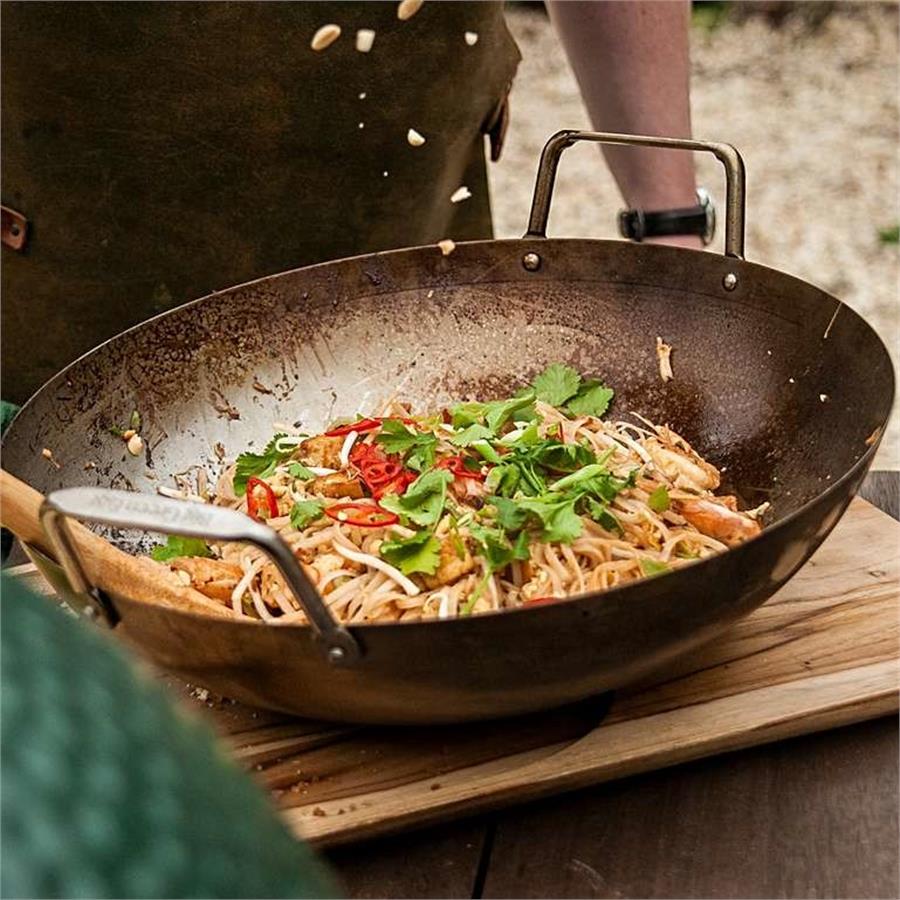
At its core, a Japanese wok pan is a large, deep cooking vessel with high, sloping sides designed for rapid, even heating. Its heritage is indeed rooted in the Chinese model, but over time, it has been subtly adapted to fit the specific needs and styles of Japanese cooking, particularly within the realm of Chuka Ryori—Japanese adaptations of Chinese dishes.
Unlike many traditional Japanese cooking implements, the wok’s ability to cook swiftly at high temperatures, using minimal fat, quickly made it an appealing innovation. Modern Japanese woks often feature a flat bottom, a significant adaptation for stability on electric and induction stovetops prevalent in contemporary kitchens, though traditional round-bottomed versions are still available and preferred for gas burners. This design flexibility ensures that the Japanese wok pan can truly be a universal kitchen tool.
Japanese Wok Pan vs. Chinese Wok: A Tale of Two Kitchen Philosophies
While both share a common ancestor, Japanese and Chinese woks, and the techniques used with them, showcase fascinating differences:
- Bottom Shape: Traditional Chinese woks are typically round-bottomed, designed for intense heat over powerful wok burners to achieve “wok hei” – the coveted “breath of the wok” flavor. Japanese woks, conversely, more frequently feature a flat bottom, offering stability and optimal heat distribution on modern flat stovetops.
- Heat Management: Chinese wok cooking often emphasizes continuous, aggressive high heat for quick stir-frying, with dishes sometimes cooked in mere seconds. Japanese wok cooking, while still utilizing high heat, tends towards more controlled precision, employing strategic adjustments between high, medium, and low temperatures, and focusing on oil temperature rather than just flame height. This often leads to slightly longer, but no less flavorful, cooking times, typically 3-5 minutes.
- Handles: Many Japanese-style woks come with removable wooden handles, which can be a boon for storage and handling.
These distinctions reflect different culinary traditions and adaptations, making the Japanese wok pan a unique and valuable tool.
The Heart of the Pan: Materials and Their Magic
The material of your Japanese wok pan profoundly influences its performance and durability. Here’s a look at the most common and revered materials:
Carbon Steel: The Versatile Workhorse
Carbon steel is widely regarded as the benchmark material for woks by chefs and culinary experts alike, and it’s a favorite for Japanese wok pans. Its unique combination of properties makes it ideal for dynamic cooking:
- Rapid Heat-Up: Carbon steel heats quickly and evenly, ensuring perfect searing and efficient cooking.
- Responsiveness: It responds almost instantly to temperature changes, giving you precise control over your cooking.
- Lightweight and Maneuverable: Carbon steel woks are significantly lighter than cast iron, making them easier to lift, tilt, and toss food—a critical element for effective stir-frying.
- Durability and Seasoning Potential: With proper care and seasoning, a carbon steel wok develops a natural non-stick surface and can last a lifetime, imparting a desirable char flavor to food. The “Made in Japan” quality of many carbon steel woks offers confidence in their safety and longevity.
Cast Iron: The Heat Retention Champion
For those who prioritize heat retention, a Japanese cast iron wok is an excellent choice. While heavier, its ability to hold heat consistently makes it perfect for simmering, deep-frying, and slow-cooking dishes where a steady temperature is key. Like carbon steel, cast iron woks, if seasoned and maintained correctly, are incredibly durable and can last for decades.
Titanium: The Featherweight Contender
An increasingly popular choice, especially for those seeking a lighter option, is the Japanese-made pure titanium wok. A 30cm titanium wok can weigh as little as 0.8kg, making it exceptionally easy to handle. Titanium woks are rust-proof and require seasoning only once. However, their rapid heat conduction means you’ll need to control the heat carefully to prevent scorching.
Other Materials: Stainless Steel and Aluminum
While stainless steel woks are easy to clean and attractive, they don’t conduct heat as well as carbon steel or cast iron and can lead to food sticking, making them less ideal for high-heat stir-frying. Aluminum woks heat quickly but tend to wear out faster. For serious wok cooking, carbon steel, cast iron, or titanium offer superior performance.
Getting Started: Choosing, Seasoning, and Caring for Your Japanese Wok Pan
Bringing a Japanese wok pan into your kitchen is an exciting step. To ensure it serves you well for years, proper selection, seasoning, and maintenance are crucial.
Choosing Your Wok: Flat or Round?
Your stovetop is the primary determinant here. For gas stoves, a round-bottomed wok nestled in a wok ring provides superior heat distribution and allows for classic tossing motions. If you have an electric or induction cooktop, a flat-bottomed Japanese wok pan is essential for stability and efficient heat transfer. Consider a size that fits your family’s needs, typically 12-14 inches for most home cooks.
The Sacred Art of Seasoning Your Wok
Seasoning is not merely a task; it’s a ritual that transforms a raw carbon steel or cast iron wok into a non-stick, flavorful cooking canvas. This process creates a polymerized layer of oil that protects the metal and prevents food from sticking.
Here’s a basic guide for carbon steel and cast iron woks:
- Clean Thoroughly: Wash your new wok with hot water and a small amount of dish soap to remove any factory protective oils. Scrub well, then rinse and dry completely.
- Heat it Up: Place the wok on your stovetop over high heat. Allow it to heat until it begins to smoke, and the color of the metal changes (often turning blueish-black).
- Oil and Repeat: Add a thin layer of high smoke-point oil, such as peanut, canola, grapeseed, or sunflower oil (avoid olive oil). Swirl it around to coat the entire surface, then heat until the oil smokes. Wipe with a paper towel. Repeat this oiling and heating process 2-3 times.
For titanium woks, this seasoning process typically only needs to be done once.
Daily Care for Longevity
Maintaining your seasoned Japanese wok pan is surprisingly simple but requires a slight shift from typical cookware cleaning:
- No Dish Soap: After cooking, rinse your wok immediately with very hot water. Avoid using harsh dish soap, which can strip away the seasoning.
- Scrape, Don’t Scrub: Use a wok brush or sponge to remove any stubborn food scraps.
- Dry Completely: Dry the wok thoroughly with a towel or by placing it back on the stove over low heat to evaporate any moisture.
- Light Re-oiling: Once dry, apply a very thin layer of cooking oil to the interior of the wok before storing. This prevents rust and keeps the seasoning strong.
Unlock the Flavors: Essential Japanese Wok Cooking Techniques
The Japanese wok pan is an incredibly versatile tool, allowing for a range of cooking techniques that bring out the best in ingredients.
Stir-Frying (Itameru): Quick and Vibrant
This is perhaps the most recognized wok technique. It involves rapidly cooking small pieces of food over high heat while constantly stirring. Japanese stir-frying, or itameru, preserves nutrients and natural flavors, making it a cornerstone of healthy and delicious meals. Key elements include:
- Proper Preheating: Always preheat your wok until it’s very hot before adding oil and ingredients.
- Ingredient Staging: Add ingredients in order of their cooking time, typically starting with aromatics like garlic and ginger, then meats, and finally vegetables.
- Controlled Tossing (Nage-itame) and Oil Swirling (Abura-narashi): Unlike aggressive Chinese tossing, Japanese techniques often involve more controlled movements to ensure even cooking and to create a non-stick surface.
Steam-Frying (Mushi-itame): A Delicate Balance
A uniquely Japanese technique, mushi-itame combines the quick searing of stir-frying with the gentle cooking of steaming. After briefly stir-frying ingredients, a small amount of liquid (like water, sake, or dashi) is added, and the wok is covered to steam the food to tender perfection. This method is excellent for retaining vegetable crispness while ensuring they are cooked through.
Deep-Frying (Ageru): Achieving Crispy Perfection
The wok’s deep, sloping sides and excellent heat distribution make it ideal for deep-frying, or ageru. Dishes like crispy karaage (Japanese fried chicken) or delicate tempura (battered and fried seafood or vegetables) benefit from the consistent oil temperature a wok provides, resulting in a perfectly light and crisp finish.
Beyond the Basics: Simmering, Boiling, and Roasting
The versatility of the Japanese wok pan extends far beyond frying. Its spacious interior and even heat allow it to excel at simmering stews, boiling noodles, poaching delicate ingredients, and even roasting nuts or coffee beans.
Savor the Experience: Popular Japanese Dishes to Cook in Your Wok Pan
With your Japanese wok pan, a world of culinary delights opens up. Here are just a few popular dishes you can master:
- Yakisoba: A street food favorite, these stir-fried Japanese noodles with meat and vegetables come alive in a wok, achieving that perfect balance of textures and flavors.
- Yasai Itame: A simple yet incredibly satisfying dish of stir-fried vegetables, often with pork or chicken, that highlights the wok’s ability to cook ingredients quickly while maintaining their crispness.
- Fried Rice: Whether it’s classic Chahan or another variation, the wok ensures each grain of rice is perfectly toasted and coated with flavor.
- Katsudon: While the pork cutlet is often pan-fried, the final assembly with egg and onions can be beautifully simmered in a wok to create this comforting rice bowl.
- Tempura and Karaage: As mentioned, the wok’s depth and heat control are fantastic for creating exquisitely crispy deep-fried dishes.
- You can even venture into making sweet treats like Dorayaki, Japanese pancakes, in your wok.
As Master Chef Kenji Ishikawa from the WokPro Culinary Institute often says, “The Japanese wok pan isn’t just cookware; it’s a bridge to culinary creativity, allowing us to marry efficiency with the delicate art of Japanese flavors. It encourages home cooks to experiment and discover the true joy of Asian cuisine.”
Why Every Kitchen Needs a Japanese Wok Pan
Investing in a quality Japanese wok pan is more than just buying another piece of cookware; it’s embracing a tool that champions health, efficiency, and incredible flavor.
- Healthier Cooking: The design of the wok allows for cooking with minimal oil, making your meals lighter and healthier without sacrificing taste. Rapid cooking also helps preserve the nutrients in your ingredients.
- Unmatched Versatility: From stir-frying and deep-frying to steaming and simmering, one Japanese wok pan can handle almost any cooking task, reducing clutter in your kitchen.
- Superior Flavor and Texture: The wok’s ability to achieve high, even heat ensures that ingredients are cooked quickly, developing complex flavors and textures that are hard to replicate in standard flat-bottomed pans.
- Durability and Value: Made with high-quality materials and traditional craftsmanship, a well-cared-for Japanese wok pan is a long-term investment that will serve your kitchen for decades.
Embrace the art of Japanese wok cooking and transform your everyday meals into extraordinary culinary experiences.
FAQs About Japanese Wok Pans
Q: Can I use a Japanese wok pan on an induction stove?
A: Yes, many modern Japanese wok pans are designed with flat bottoms specifically for induction, electric, and ceramic stovetops, ensuring optimal contact and heat transfer.
Q: How often should I season my carbon steel Japanese wok?
A: For carbon steel woks, seasoning is a continuous process. Initial seasoning is critical, and for daily maintenance, simply rinse with hot water (no soap), dry thoroughly, and apply a thin layer of oil after each use. This maintains and strengthens the non-stick layer.
Q: What’s the best oil to use for cooking in a Japanese wok pan?
A: High smoke-point oils are best, such as peanut oil, canola oil, grapeseed oil, or sunflower oil. These oils can withstand the high temperatures required for wok cooking without breaking down and creating off-flavors.
Q: Are Japanese wok pans only for Japanese food?
A: Absolutely not! While excellent for Japanese cuisine, the versatility of a Japanese wok pan makes it suitable for countless dishes from various cuisines, including Chinese, Thai, Vietnamese, and even Western stir-fries, stews, and deep-fried items.
Q: How do I clean a Japanese wok pan without damaging the seasoning?
A: Avoid dish soap as it can strip the seasoned layer. After cooking, rinse the wok immediately with hot water. Use a bamboo brush or sponge to gently scrub away food residue. Dry thoroughly on the stovetop over low heat, and then apply a thin film of cooking oil before storing. This ritual preserves the seasoning and prevents rust.