Have you ever found yourself yearning for that perfect stir-fry, the kind with beautifully caramelized vegetables and tender, smoky meats, only to be frustrated by your modern induction cooktop? Many home cooks face this dilemma, as traditional round-bottom woks and their fiery gas stove counterparts seem a world away from the sleek, precise world of induction. But what if we told you that the art of wok cooking, with all its speed and intense flavor, is not only possible but thrives on induction? Welcome to the exciting realm of the Induction Wok Pan. At WokPro.vn, we’re dedicated to bringing you the best in wok cooking, and understanding the induction wok is key to unlocking a new level of culinary mastery in your kitchen.
A Brief History and the Modern Wok’s Evolution
For centuries, the wok has been the cornerstone of Asian cuisine, prized for its unique shape that allows for dynamic tossing and even heat distribution across its expansive surface. Traditionally, woks were round-bottomed, designed to sit perfectly over an open flame, letting heat lick up their sides and create that coveted “wok hei” – the smoky, complex essence imparted by intense heat.
However, as kitchens evolved, so did cooking technology. Induction cooktops brought unparalleled energy efficiency, safety, and precise temperature control. But this innovation presented a challenge for the traditional wok. Induction technology relies on magnetism; for a pan to heat up, it must have a magnetic (ferromagnetic) base and make proper contact with the cooktop. The classic round-bottom wok, unfortunately, did neither.
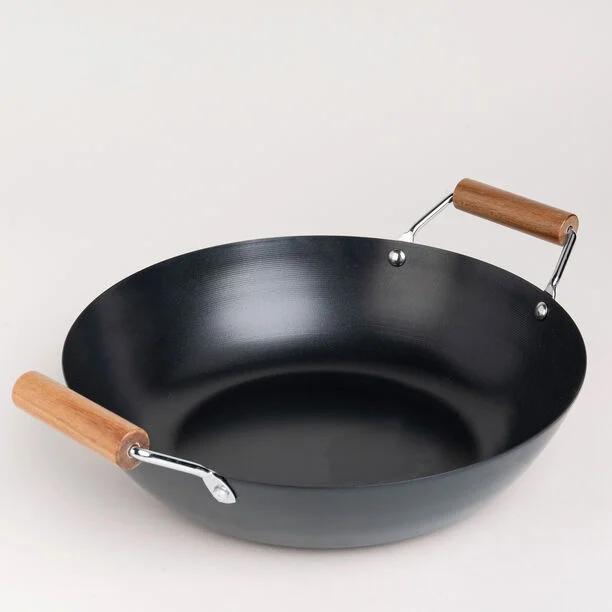
This led to the brilliant evolution of the induction wok pan. Manufacturers adapted, creating woks with flat bottoms or designing specialized induction burners with concave surfaces, ensuring that this beloved cooking vessel could embrace the future of cooking without losing its soul.
Choosing Your Culinary Partner: Types of Induction Wok Pans and Materials
Selecting the right induction wok is crucial for a rewarding cooking experience. The material and design significantly impact performance on an induction hob.
Flat-Bottom vs. Specialized Concave Induction Burners
For most standard induction cooktops, a flat-bottom wok is essential. This design maximizes surface contact, allowing for efficient and even heat transfer. While some argue it deviates from the traditional wok experience, modern flat-bottom induction woks are engineered to deliver excellent results.
Alternatively, some high-end kitchens and dedicated enthusiasts opt for specialized concave induction wok burners. These units feature an indented surface designed to cradle a traditional round-bottom wok, simulating the open-flame experience more closely. However, they are a less common and often more expensive solution.
Popular Materials for Induction Wok Pans
The material of your induction wok will influence its heating properties, durability, and how you care for it:
- Carbon Steel Induction Wok: Often hailed as the professional chef’s choice, carbon steel is incredibly responsive, heating up rapidly and cooling down quickly – perfect for the precise demands of stir-frying. When properly seasoned, it develops a natural non-stick surface and contributes to that desired “wok hei.” Look for carbon steel woks specifically designed for induction, typically featuring a reinforced flat base.
- Cast Iron Induction Wok: Known for its exceptional heat retention, cast iron maintains a consistent high temperature, which can be fantastic for searing and deep-frying. While it takes longer to heat up than carbon steel, its ability to hold heat helps develop rich flavors. Cast iron is naturally magnetic, making it induction compatible, but its weight can make tossing more challenging.
- Stainless Steel Induction Wok: Durable, easy to clean, and non-reactive, stainless steel woks are a popular choice. Many feature an encapsulated aluminum core in their base to improve heat distribution, as stainless steel alone is a less efficient conductor. They are generally induction-compatible and often come with non-stick coatings.
- Aluminum Induction Wok: Lightweight and an excellent heat conductor, aluminum woks heat quickly and evenly. However, pure aluminum is not magnetic, so induction-compatible aluminum woks will have a ferromagnetic base plate bonded to them. These often feature non-stick coatings for ease of use.
- Non-Stick Induction Wok: Many woks, regardless of their core material, come with a non-stick coating (often ceramic or reinforced with materials like diamond particles). These are incredibly easy to clean and user-friendly, making them great for beginners. However, traditional wok cooking often involves very high temperatures that can degrade non-stick coatings over time, so careful temperature management is advised.
Mastering the Heat: How to Use and Care for Your Induction Wok Pan
Using an induction wok effectively comes down to understanding the technology and adapting your technique.
Harnessing Induction Heat
Induction cooktops deliver direct, precise heat to the base of your pan. This means:
- Preheating is Key: Always preheat your induction wok thoroughly. For carbon steel, start on moderate heat and gradually increase. For cast iron, allow a few extra minutes for the entire pan to come up to temperature.
- Oil Selection: Use oils with a high smoke point suitable for high-heat cooking, such as peanut, grapeseed, or canola oil.
- No Overcrowding: This is vital on any wok, but especially on induction. Overcrowding cools the pan down rapidly, leading to steamed, rather than stir-fried, ingredients. Cook in batches if necessary.
- Temperature Control: Induction offers incredible precision. Utilize this by adjusting the power level instantly. Carbon steel and thin stainless steel woks will respond almost immediately.
Seasoning and Maintenance
- Carbon Steel Wok Seasoning: If you choose a carbon steel induction wok, seasoning is a ritual. This involves heating the pan with a thin layer of oil to create a durable, natural non-stick surface. Repeat this process regularly, especially after vigorous cleaning.
- Cleaning: Most induction woks benefit from immediate cleaning after use. For seasoned woks, a simple wipe with hot water and a brush (no soap) is often sufficient. Non-stick woks can be cleaned with mild soap and water. Always ensure your wok is thoroughly dry before storing to prevent rust, especially for carbon steel.
The Art of “Wok Hei” on Induction: Techniques and Benefits
While the open flame isn’t present, achieving the spirit of “wok hei” on an induction cooktop is possible with adapted techniques.
Essential Wok Cooking Techniques for Induction
- The “Immobile” Stir-Fry: Since lifting a wok off an induction burner can temporarily deactivate the heat, focus on keeping your wok in contact with the cooktop. Use a long-handled wok spatula (chuan) to continuously push, fold, and toss ingredients.
- High Heat, Quick Cooking: Leverage the powerful, rapid heat of induction. Prep all your ingredients beforehand – this is often called “mise en place” – as the cooking process will be incredibly fast.
- Searing in Batches: To get that beautiful caramelization and smoky flavor, don’t overload the wok. Sear proteins and certain vegetables in smaller batches, allowing them to brown effectively before combining them.
- Creating a “Hot Zone”: The center of your flat-bottom induction wok will be the hottest. Use this to your advantage by quickly searing ingredients there before moving them to the cooler sides to finish cooking.
The Undeniable Benefits of Induction Wok Cooking
Embracing the induction wok pan offers a plethora of advantages for the modern home cook:
- Unrivaled Precision: Induction provides instant and exact temperature control, allowing you to fine-tune your heat for perfect searing, simmering, or stir-frying.
- Exceptional Efficiency: Induction heats the pan directly, wasting very little energy. This means faster cooking times and lower energy bills.
- Even Heat Distribution: Quality induction woks, especially those with multi-clad or thick bases, provide consistent heat across their cooking surface, preventing hot spots.
- Enhanced Safety: With no open flame and the cooktop surface remaining relatively cool, induction cooking is safer, reducing the risk of burns and kitchen fires.
- Easy Cleanup: The smooth glass surface of induction cooktops is simple to wipe clean, and many induction woks are designed for straightforward maintenance.
A World of Flavor: Popular Dishes for Your Induction Wok Pan
The versatility of the induction wok pan means a vast array of delicious dishes are within your reach. From lightning-fast weeknight meals to impressive weekend feasts, your wok will become an indispensable tool.
- Classic Stir-Fries: The quintessential wok dish! Think Beef with Broccoli, Shrimp Lo Mein, or Spicy Szechuan Chicken.
- Noodle Dishes: Pad Thai, Chow Fun, and Singapore Noodles benefit from the wok’s high heat and ability to coat ingredients evenly.
- Fried Rice: Create fluffy, flavorful fried rice with crispy edges, whether it’s Yangzhou, Thai Pineapple, or a simple Egg Fried Rice.
- Sautéed Vegetables: Quickly cook vibrant, crisp-tender vegetables with a hint of char.
- Shallow Frying and Deep Frying: From spring rolls to crispy tofu, the wok’s sloped sides make it ideal for frying with less oil.
- Steamed Dishes: With a steaming rack and lid, your wok can double as an excellent steamer for dumplings, fish, or vegetables.
Frequently Asked Questions About Induction Wok Pans
We often hear similar questions from those curious about or new to induction wok cooking. Here are some quick answers:
Q: Can I use a regular round-bottom wok on an induction cooktop?
A: No, a regular round-bottom wok will not work efficiently on a standard flat induction cooktop because it won’t make sufficient magnetic contact to generate heat. You need a flat-bottomed wok or a specialized concave induction burner.
Q: What’s the best material for an induction wok?
A: Carbon steel is often recommended for its responsiveness and ability to develop “wok hei.” Cast iron is excellent for heat retention, while quality stainless steel or aluminum woks with induction bases offer durability and even heating.
Q: How do I season a carbon steel induction wok?
A: The seasoning process involves washing the new wok, then heating it until it changes color. Next, apply a very thin layer of high smoke point oil and heat until it smokes and forms a dark, protective layer. Repeat several times.
Q: Do I need a special adapter for my round-bottom wok on induction?
A: You can use an induction interface disk (also known as a diffuser plate), which is a magnetic disk placed between a non-induction pan and the induction cooktop. However, this is generally less efficient than a purpose-built induction wok and can sometimes cause the cooktop to overheat.
Q: Are induction woks truly effective for stir-frying?
A: Absolutely! While the experience differs from gas, induction woks deliver precise, powerful, and consistent heat, allowing for excellent stir-frying results, especially with proper technique and the right pan.
The WokPro Promise: Ignite Your Culinary Passion
The journey of cooking with an induction wok pan is one of discovery and delicious rewards. It marries the ancient art of wok cooking with the efficiency and precision of modern technology, opening up a world of vibrant flavors and exciting textures right in your kitchen. At WokPro.vn, we believe everyone can master the wok, and we’re here to provide the insights, inspiration, and top-tier products to help you along the way. So, embrace the sizzle, experiment with new recipes, and let your induction wok pan become the heart of your culinary adventures. Happy cooking!