Step into almost any Indian kitchen, and you’ll likely find a deeply loved, often seasoned, and incredibly versatile cooking vessel that’s central to countless culinary creations: the Indian Wok Pan. While you might know it by its more traditional name, the “Kadai” or “Karahi,” this essential piece of cookware is far more than just a pan; it’s a gateway to authentic Indian flavors and cooking techniques that have been perfected over generations. This article will guide you through everything you need to know about embracing the Indian wok pan, from its rich history to mastering its use and uncovering the delectable dishes it helps bring to life.
History and Evolution of the Kadai: India’s Culinary Workhorse
The story of the Indian wok pan, or Kadai, is deeply intertwined with the culinary history of the Indian subcontinent. Originating centuries ago, the Kadai was designed to meet the diverse cooking needs of a culture rich in gravies, deep-fried delights, and aromatic slow-cooked dishes. Unlike its East Asian counterparts, the Kadai evolved with a unique form factor, tailored to the specific demands of Indian spices and ingredients. Over time, while materials and specific designs have seen slight variations, its fundamental role as a culinary cornerstone remains unchanged, symbolizing the heart of Indian home cooking.
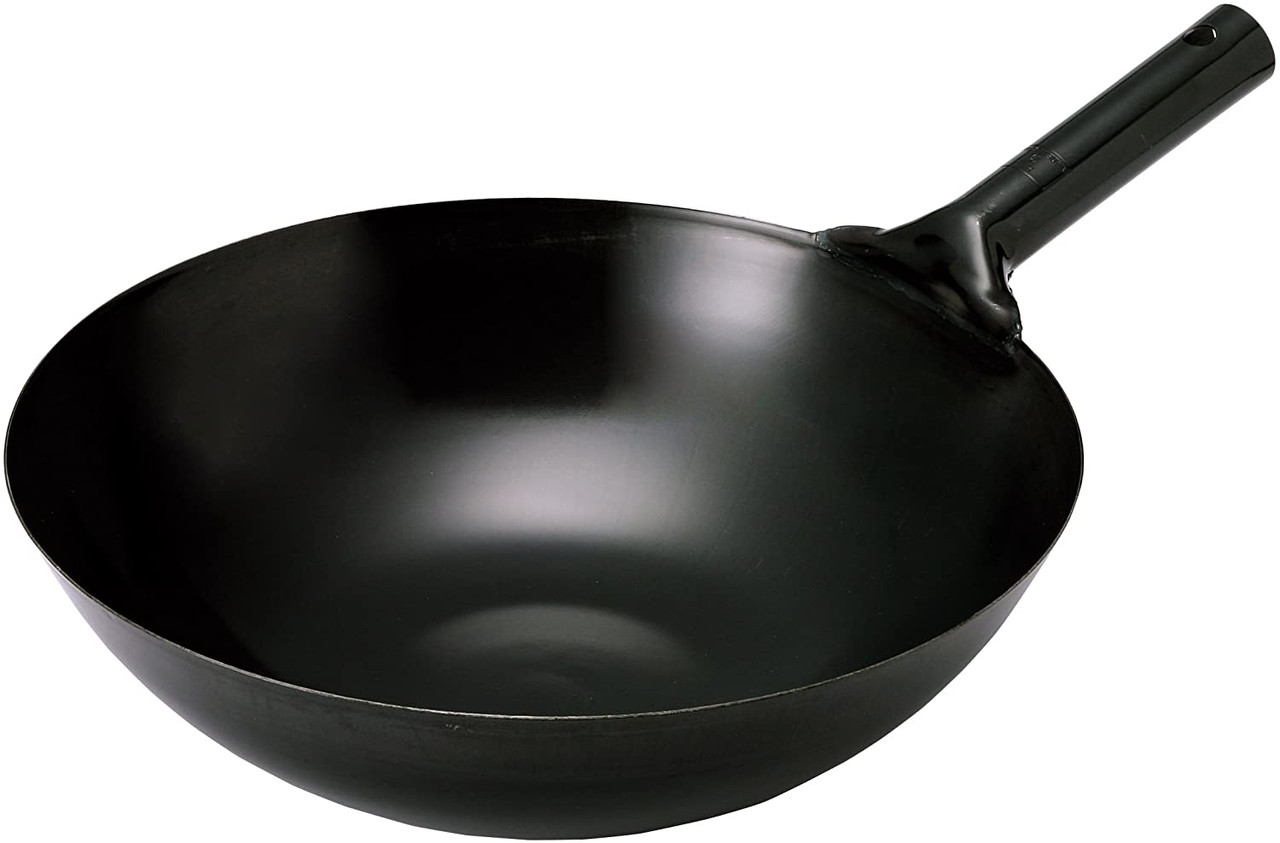
Indian Wok Pan vs. Traditional Wok: What’s the Difference?
While both the Indian wok pan (Kadai) and the traditional Chinese wok share a rounded form, they possess distinct characteristics that cater to their respective cuisines. Understanding these differences is key to appreciating the unique value of an Indian wok pan in your kitchen.
What sets them apart?
- Shape and Depth: A Kadai typically features a deeper, more rounded base with steeply sloped sides. It’s often wider than a traditional wok and may or may not be as deep. Its design allows for generous amounts of oil or liquid, making it perfect for simmering and deep-frying. In contrast, traditional woks, especially Chinese ones, often have a more pronounced rounded bottom that quickly tapers, optimized for stir-frying and rapid tossing.
- Base Design: Many modern Indian wok pans come with a flat base, providing excellent stability on contemporary gas and electric stovetops. Traditional Chinese woks, particularly those used with specialized wok burners, often have a fully rounded bottom for maximum heat exposure.
- Handles: Indian wok pans frequently feature two sturdy, looped handles on either side, offering a secure grip for lifting heavy curries or large batches of fried foods. While some Chinese woks also have two handles (like the Peking wok), many are known for their single long handle, designed for quick maneuvering and tossing.
- Primary Cooking Focus: The Indian wok pan excels at slow-cooking, deep-frying, and preparing rich, flavorful gravies that require consistent heat retention. The Chinese wok, being lighter and shallower, is famous for high-heat stir-frying, quick searing, and steaming.
Ultimately, while you can certainly adapt a Chinese wok for some Indian dishes, a dedicated Indian wok pan (Kadai) is designed to optimize the specific techniques and culinary results essential to Indian cuisine.
Choosing Your Perfect Indian Wok Pan: Materials and Their Magic
The material of your Indian wok pan significantly impacts its performance, durability, and even the flavor of your food. Here’s a breakdown of the most popular choices:
Cast Iron Kadai
Cast iron is a beloved material for Indian wok pans, cherished for its robust nature and exceptional cooking properties.
- Benefits: Cast iron Kadais are champions of heat retention and distribution, ensuring your food cooks evenly without hot spots. They’re incredibly durable and, with proper care, can last for generations, becoming true heirloom pieces. Over time, cast iron develops a natural non-stick surface through seasoning, and cooking in it can even impart trace amounts of beneficial iron into your food.
- Best For: Slow-cooked curries, deep-frying, and dishes that benefit from sustained, even heat.
Stainless Steel Kadai
A popular choice for its ease of maintenance and modern appeal, stainless steel Indian wok pans offer a practical alternative.
- Benefits: Stainless steel Kadais are resistant to rust and staining, non-reactive (making them ideal for acidic ingredients like tomatoes and tamarind), and relatively easy to clean. Tri-ply stainless steel versions, with an aluminum core sandwiched between layers of stainless steel, provide superior heat distribution compared to single-ply options. [cite: 1: materials, 4: benefits]
- Best For: Everyday cooking, acidic curries, and those seeking a low-maintenance option. [cite: 1: materials]
Aluminum Kadai
Aluminum Indian wok pans are a budget-friendly and lightweight option.
- Benefits: They heat up quickly, which can be convenient for faster cooking tasks. Many come with non-stick coatings. [cite: 2: types, 4: types]
- Considerations: Aluminum can be less durable than cast iron or stainless steel and may dent more easily.
Brass Kadai
For a touch of tradition and aesthetic beauty, brass Kadais are a stunning choice.
- Benefits: Brass conducts heat very efficiently and retains it for longer periods, ensuring even cooking. Many believe cooking in brass enhances the aroma and flavor of Indian dishes. They are also eco-friendly and, with proper care, can last for generations. [cite: 3: benefits]
- Considerations: Brass requires specific care to maintain its luster and cooking properties.
Non-Stick Kadai
Designed for convenience, non-stick Indian wok pans make cooking with less oil and cleanup a breeze.
- Benefits: Easy food release and effortless cleaning. Good for beginners or those prioritizing convenience. [cite: 1: materials, 2: types]
- Considerations: Non-stick coatings can degrade at high temperatures and may not offer the same longevity or versatility as seasoned cast iron or durable stainless steel. Always choose PFOA-free options. [cite: 1: materials, 3: materials]
Unlocking Flavors: How to Use and Care for Your Indian Wok Pan
Proper use and care are paramount to getting the most out of your Indian wok pan, especially if you opt for a cast iron or carbon steel model. A well-maintained Kadai will not only perform better but also become a cherished part of your culinary journey.
Initial Seasoning for Cast Iron and Carbon Steel Kadais
Seasoning creates a natural, protective, non-stick layer on your cast iron or carbon steel Indian wok pan. Here’s how to do it:
- Clean Thoroughly: Wash your new Kadai with warm water and a mild dish soap to remove any manufacturing residues. For bare cast iron, avoid harsh detergents after the initial wash. [cite: 1: seasoning, 2: seasoning]
- Dry Completely: This step is crucial. Thoroughly dry your Kadai with a clean cloth or paper towels. Any residual moisture can lead to rust. You can also place it on a low flame on the stove for a few minutes to ensure it’s bone dry. [cite: 1: seasoning, 2: seasoning, 5: seasoning]
- Apply Oil: Apply a very thin, even layer of high smoke-point oil—like flaxseed, vegetable, canola, or sesame oil—to the entire surface of the Kadai, inside and out. Use a paper towel to wipe off any excess, leaving only a microscopic film. [cite: 1: seasoning, 2: seasoning, 5: seasoning]
- Heat the Kadai:
- Oven Method: Place the Kadai upside down on the middle rack of an oven preheated to 180°C (350°F) for 1 to 2 hours. Place a baking sheet on the rack below to catch any oil drips. [cite: 1: seasoning, 2: seasoning]
- Stovetop Method: Heat the Kadai over a medium flame until it starts to smoke lightly. Allow it to cool down naturally. [cite: 2: seasoning]
- Cool Down: Let your Indian wok pan cool completely. This helps stabilize the newly formed seasoned layer. [cite: 1: seasoning, 2: seasoning, 5: seasoning]
- Repeat (Optional but Recommended): For a more robust seasoning, repeat the oil application and heating process 2-3 more times.
Daily Maintenance Tips
- Cleaning: After each use, clean your seasoned Kadai with warm water and a soft scrubber. Avoid harsh detergents as they can strip the seasoning. For stubborn food, use a paste of salt and water as a gentle abrasive. [cite: 2: seasoning, 4: seasoning]
- Drying: Always dry your Indian wok pan immediately and thoroughly after washing to prevent rust. You can place it on a low flame on the stove for a minute or two to ensure all moisture is evaporated. [cite: 2: seasoning, 5: seasoning]
- Re-oiling: While the Kadai is still warm after drying, apply another thin layer of cooking oil. This reinforces the seasoning and protects against rust. [cite: 2: seasoning, 5: seasoning]
Storing Your Kadai
Store your Indian wok pan in a dry place. If storing for an extended period, a light coat of oil provides extra protection against moisture. Avoid stacking other heavy cookware directly inside, which can scratch the seasoned surface. [cite: 1: seasoning, 2: seasoning]
Reviving a Rusty Kadai
Don’t despair if your cast iron Indian wok pan develops rust! It’s usually salvageable. Scrub the rusted areas vigorously with steel wool or a stiff brush until all rust is removed. Wash thoroughly, dry completely, and then re-season the Kadai following the steps above. [cite: 1: seasoning, 2: seasoning, 5: seasoning]
Mastering Indian Wok Pan Techniques: Beyond the Basics
The Indian wok pan truly shines in its versatility, allowing for a wide array of cooking techniques essential to Indian cuisine.
Deep Frying for Crispy Delights
The Kadai’s deep, high-sided design makes it perfect for deep-frying, keeping oil splatters to a minimum and ensuring even cooking. From crispy pakoras and samosas to vada and jalebis, your Indian wok pan is ideal for achieving that perfect golden-brown crunch. [cite: 2: benefits, 3: dishes, 5: dishes]
Slow Simmering for Rich Curries and Gravies
The excellent heat retention of a cast iron or thick-bottomed stainless steel Kadai is invaluable for slow-cooking. This allows flavors to meld beautifully, spices to bloom, and gravies to thicken to a luscious consistency. Think rich Chicken Kadai, Paneer Butter Masala, or a hearty Dal Makhani, all benefiting from the Kadai’s consistent heat. [cite: 1: cooking techniques, 2: cooking techniques, 4: dishes]
Bhunao: The Art of Indian Stir-Frying
While distinct from East Asian stir-frying, the “bhunao” technique in Indian cooking involves sautéing and frying ingredients over medium heat until they develop deep, complex flavors and a rich aroma. The Kadai’s wide mouth and sloped sides make it easy to continuously stir and turn ingredients, preventing sticking and ensuring even caramelization, which is crucial for many Indian sabzis and curries.
The Health and Culinary Benefits of Cooking with an Indian Wok Pan
Beyond its functional advantages, cooking with an Indian wok pan offers several compelling benefits:
- Exceptional Heat Management: The design and materials of a good Kadai, especially cast iron, ensure even heat distribution and superb heat retention. This prevents hot spots and allows for consistent, thorough cooking, whether you’re simmering a curry or deep-frying. [cite: 1: benefits, 2: benefits, 5: benefits]
- Enhanced Flavors: Many chefs and home cooks agree that food cooked in traditional Kadais, particularly cast iron or brass, simply tastes better. The even heating helps to extract and deepen flavors, giving dishes an authentic, earthy richness. [cite: 1: benefits, 2: benefits, 3: benefits]
- Natural Iron Boost: For those using cast iron Indian wok pans, there’s an added health benefit: trace amounts of dietary iron can leach into your food during cooking, which can be beneficial for individuals with iron deficiencies. [cite: 1: benefits, 2: benefits, 5: benefits]
- Non-Toxic and Chemical-Free Cooking: Traditional Kadais made from iron, brass, or properly seasoned carbon steel offer a naturally non-stick and non-reactive cooking surface, eliminating concerns about synthetic chemical coatings that can be found in some modern non-stick pans. [cite: 1: benefits, 2: benefits, 3: benefits, 5: benefits]
- Durability and Sustainability: Investing in a high-quality Indian wok pan means investing in a piece of cookware that can last a lifetime, reducing waste and becoming a sustainable choice for your kitchen. [cite: 1: benefits, 2: benefits]
Popular Dishes to Savor from Your Indian Wok Pan
The possibilities are endless with an Indian wok pan! Here are just a few popular dishes that truly come alive when cooked in a Kadai:
- Kadai Paneer: A quintessential vegetarian dish featuring cubes of paneer (Indian cheese) cooked in a rich, spicy tomato-onion gravy with bell peppers and freshly ground Kadai masala. [cite: 1: dishes, 2: dishes, 3: dishes, 4: dishes, 5: dishes]
- Kadai Chicken: A fiery and aromatic non-vegetarian favorite, where chicken pieces are slow-cooked with bell peppers, onions, tomatoes, and a blend of robust spices. [cite: 2: dishes, 3: dishes]
- Kadai Mushroom: A delicious vegetarian alternative to Kadai Paneer, with earthy mushrooms absorbing the rich Kadai masala. [cite: 1: dishes, 2: dishes, 3: dishes, 5: dishes]
- Kadai Bhindi (Okra): A flavorful dry vegetable dish where sliced okra is sautéed with onions, ginger, garlic, and a medley of Indian spices. [cite: 1: dishes, 3: dishes, 5: dishes]
- Deep-Fried Snacks: From crispy samosas and pakoras to sweet jalebis, the Kadai is your go-to for perfectly fried Indian treats. [cite: 1: cooking techniques, 2: benefits]
- Various Dals and Curries: Hearty lentil dishes like Dal Tadka, and a myriad of vegetable and meat curries, achieve their perfect consistency and flavor profile when simmered in a Kadai. [cite: 1: cooking techniques, 2: cooking techniques, 5: dishes]
Expert Insight: A Chef’s Perspective
“The Indian wok pan, or Kadai, is more than just a piece of cookware; it’s a connection to culinary heritage,” says Chef Rohan Sharma, a culinary consultant specializing in regional Indian cuisine. “The way it retains heat and allows flavors to meld slowly is irreplaceable for truly authentic curries and deep-fried specialties. It truly transforms good ingredients into extraordinary meals.”
FAQs about the Indian Wok Pan
What is the best material for an Indian wok pan?
The “best” material depends on your cooking style and preference. Cast iron offers superior heat retention and a natural non-stick surface over time, ideal for slow-cooking and deep-frying. Stainless steel is durable and low-maintenance, while brass provides excellent heat conductivity and aesthetic appeal. Carbon steel is also a popular choice for its quick heating properties. [cite: 1: materials, 2: materials, 3: materials, 5: materials]
Can I use a regular wok for Indian cooking?
While a regular (Chinese) wok can be used for some Indian dishes, especially those involving quicker sautéing or stir-frying, it might not be ideal for traditional Indian slow-cooking, deep-frying, or dishes requiring significant simmering due to differences in depth, heat retention, and handle design. A Kadai is specifically designed for these Indian culinary needs.
How often should I season my cast iron Kadai?
For regularly used cast iron Indian wok pans, seasoning every few months helps maintain its non-stick layer and prevent rust. If you notice food sticking or a loss of sheen, it’s a good indicator that it’s time for another round of seasoning. [cite: 1: seasoning]
What are the best dishes to make in a Kadai?
The Indian wok pan is ideal for a vast range of dishes, including popular Kadai preparations like Kadai Paneer, Kadai Chicken, Kadai Mushroom, and Kadai Bhindi. It’s also excellent for deep-frying Indian snacks (samosas, pakoras) and simmering rich curries and gravies. [cite: 1: dishes, 2: dishes, 3: dishes]
Are non-stick Indian wok pans a good option?
Non-stick Kadais are a convenient option for cooking with less oil and easy cleanup. However, they may not withstand the very high heat sometimes used in Indian cooking as well as cast iron or carbon steel, and their coatings can degrade over time. Choose PFOA-free options and follow manufacturer care instructions carefully. [cite: 1: materials, 2: types]
Embrace the Heart of Indian Cooking
The Indian wok pan, or Kadai, is more than just a piece of kitchen equipment; it’s a vessel that embodies the soul of Indian cooking. From its ability to evenly simmer a rich curry to perfectly deep-fry crispy pakoras, its versatility is unmatched. By understanding its unique characteristics, choosing the right material, and committing to proper care, you’re not just acquiring a pan; you’re inviting centuries of culinary tradition and countless delicious meals into your home. So, go ahead, explore the world of the Indian wok pan, and inspire your culinary adventures with the authentic flavors of India. Happy cooking!