Stepping into the world of wok cooking is like unlocking a new dimension of flavor and efficiency in your kitchen. But with so many options out there, how do you pick a truly Good Wok Pan? At WokPro.vn, we believe the right wok isn’t just a piece of cookware; it’s a culinary companion that transforms ordinary meals into extraordinary experiences. Let’s delve into what makes a wok exceptional, guiding you to find the perfect one to ignite your passion for cooking.
The Timeless Appeal of the Wok: A Culinary Journey
For thousands of years, the wok has been a cornerstone of Asian cuisine, evolving from a simple cooking vessel into an indispensable tool cherished by chefs and home cooks worldwide. Its unique, deep, and sloped design isn’t just for show; it’s engineered for superior heat distribution and versatile cooking. From the bustling street food stalls to gourmet kitchens, the wok’s ability to create quick, flavorful dishes is unmatched. This ancient pan truly represents the heart of fast, fresh, and delicious cooking, inviting you to explore a vast array of global flavors right in your own home.
Decoding the “Good” in Wok Pans: What Matters Most
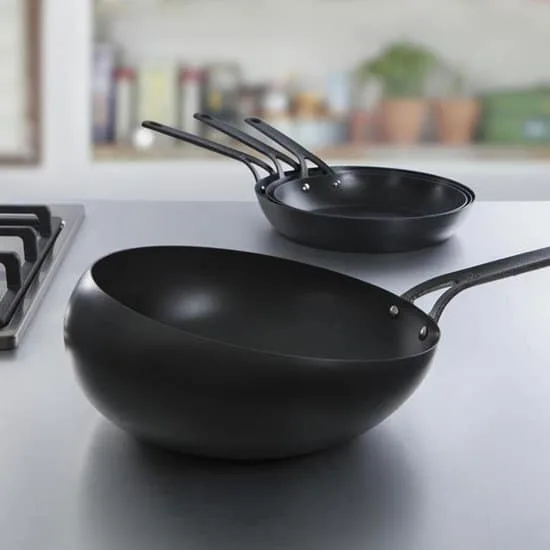
When searching for a good wok pan, several key factors come into play, each influencing its performance, durability, and suitability for your cooking style.
Material Matters: The Heart of Your Wok
The material of your wok is perhaps the most critical decision, dictating how it heats, its weight, and how much care it requires.
Carbon Steel: The Professional’s Choice
Often hailed as the king of wok materials, carbon steel is the traditional pick for a reason. It heats up incredibly fast and evenly, responding almost instantly to changes in temperature—a crucial characteristic for high-heat stir-frying. Carbon steel woks are also relatively lightweight and durable. However, they demand seasoning, a process of oiling and heating, to build a natural non-stick surface and prevent rust. This commitment to seasoning is well worth it, as a properly cared for carbon steel wok will develop a beautiful patina and become a truly non-stick, lifelong tool.
Cast Iron: The Heat Retention Champion
Cast iron woks are robust and known for their impressive heat retention. Once hot, they stay hot, making them excellent for searing, deep-frying, and slow-cooking. They can also develop a fantastic non-stick surface through seasoning, much like carbon steel. The main drawback is their weight, which can make tossing ingredients more challenging, and they take longer to heat up and cool down. Despite their heft, a good cast iron wok is an heirloom piece, often passed down through generations.
Stainless Steel: The Durable & Easy-Care Option
Stainless steel woks offer durability and resistance to corrosion, making them easier to clean and maintain than their carbon steel or cast iron counterparts. Many stainless steel woks feature an aluminum core, which helps with heat distribution, as stainless steel alone can heat unevenly. While they might not achieve the super-high temperatures of carbon steel as quickly, they are a solid choice for those seeking a low-maintenance, long-lasting wok, often compatible with dishwashers.
Non-stick & Ceramic: Modern Convenience
For beginners or those prioritizing ease of cleaning, non-stick coated woks can be appealing. They require less oil and make flipping a breeze. However, traditional non-stick coatings may not withstand the very high temperatures required for authentic wok cooking, potentially degrading over time. Newer ceramic or PFOA/PTFE-free non-stick options offer a safer, more durable alternative while retaining some of the low-maintenance benefits. These are great if you tend to cook at moderate temperatures.
Design & Features: Crafting Your Cooking Experience
Beyond material, a wok’s design significantly impacts its functionality in your kitchen.
Bottom Shape: Flat vs. Round – Which is Right for You?
- Flat-Bottom Woks: These are the go-to for most home kitchens, especially if you have an electric or induction stovetop. The flat base provides maximum contact with the heating element, ensuring stable positioning and efficient heat transfer. This design is crucial for optimal performance on modern ranges.
- Round-Bottom Woks: The traditional choice for gas stoves or dedicated wok burners, where the flame can envelop the curved base. This shape allows heat to concentrate intensely at the center and gradually cool up the sides, creating distinct cooking zones. While superb for high-heat stir-frying, they require a wok ring for stability on standard stovetops.
Handles: Grip, Control, and Safety
Woks typically come with either a single long handle (often seen in Northern Chinese styles, sometimes called a Peking pan) or two smaller helper handles (Cantonese style). Many woks, especially larger ones, feature both a long handle for tossing and a helper handle for easier lifting and carrying. Wooden handles are excellent for staying cool during cooking, while stainless steel handles can get hot and require oven mitts. A comfortable, secure grip is essential for safe and effective wok cooking.
Size: Finding Your Perfect Match
Woks come in various diameters, usually measured across the rim.
- 12-inch woks are ideal for individual portions or cooking for two.
- 14-inch woks are the most popular size for home kitchens, perfectly suited for families of 2-4 people and versatile enough for most dishes.
- 16-inch woks and above are great for larger families, entertaining guests, or if you simply enjoy cooking in bigger batches. Consider your stovetop size and storage space when choosing.
Lids and Accessories: Enhancing Versatility
While not always included, a good domed lid is a valuable accessory for a wok, transforming it into a steaming or braising pot. The domed shape allows for better air circulation and prevents condensation from dripping back onto the food, making it perfect for steaming dumplings or finishing dishes.
Mastering the Art: Using and Caring for Your Wok Pan
A good wok pan is an investment, and proper usage and care will ensure it serves you well for decades.
The Foundation: Seasoning Your Wok
For carbon steel and cast iron woks, seasoning is not just a step; it’s a ritual. This involves cleaning the wok thoroughly, heating it to a high temperature, and applying thin layers of high smoke point oil. Over time, these layers polymerize, creating a naturally non-stick, rust-resistant surface. Regular seasoning and proper cleaning will deepen this patina, improving your wok’s performance with every use.
Heat Control: Unleashing “Wok Hei”
The magic of “wok hei”—the smoky, intensely flavorful essence imparted by high-heat cooking—is what many aspire to achieve. This requires a very hot wok and sufficient heat. Gas stoves are often preferred for their instant and intense heat, but a good flat-bottom carbon steel wok can achieve excellent results on electric or induction cooktops. Always preheat your wok thoroughly until it just begins to smoke before adding oil, and ensure your ingredients are dry to promote searing, not steaming.
Essential Techniques: Beyond Stir-Frying
While stir-frying is synonymous with the wok, its versatility extends far beyond. Its deep, sloped sides make it excellent for:
- Deep-frying: Requiring less oil than a traditional pot due to its shape, and minimizing splatter.
- Steaming: With a domed lid and a rack, it becomes a perfect steamer.
- Sautéing and Braising: Its large surface area allows for quick sautéing, and its depth is great for braising meats and vegetables.
- Boiling: Ideal for blanching vegetables or cooking noodles.
Cleaning & Maintenance: Keeping Your Wok in Top Shape
For seasoned woks, the cleaning process is simple: wash with hot water and a soft brush or sponge (no harsh detergents or abrasive scrubbers!), rinse thoroughly, and dry immediately over low heat to prevent rust. A thin layer of cooking oil can then be applied to maintain the seasoning. For stainless steel or ceramic woks, follow the manufacturer’s instructions, often involving standard dish soap and water.
The WokPro Difference: Why a Good Wok Pan Elevates Your Cooking
Choosing a good wok pan from WokPro isn’t just about buying cookware; it’s about embracing a cooking philosophy that prioritizes efficiency, flavor, and culinary exploration.
Health Benefits
Wok cooking often uses less oil compared to other frying methods due to the high heat and efficient movement of ingredients. The quick cooking times also help to retain more vitamins and minerals in your vegetables, contributing to healthier meals.
Unmatched Versatility
One good wok pan can replace several other pots and pans in your kitchen. Its ability to perform multiple cooking techniques makes it an incredibly efficient and space-saving tool, simplifying your cooking and cleanup.
Durability and Legacy
When properly chosen and cared for, especially carbon steel and cast iron woks, your wok pan can truly last a lifetime. It’s a durable investment that will grow with you, developing character and improving with every delicious meal you create.
Expert Insights: WokPro’s Culinary Advisor Shares Wisdom
“Selecting the right wok is like choosing a dance partner,” says Chef Anya Sharma, WokPro’s lead culinary advisor. “You want one that feels balanced, responds to your movements, and brings out the best in every ingredient. A good wok pan isn’t just about what it’s made of; it’s about how it inspires you to create.”
Frequently Asked Questions
Q: What is the ideal size for a home wok?
A 14-inch wok is generally considered the most versatile size for home cooks, comfortably serving 2-4 people and fitting well on most standard stovetops.
Q: Can I use a round-bottom wok on an electric stove?
While round-bottom woks are traditionally designed for open flames or specialized wok burners, you can use them on an electric stove with a wok ring for stability. However, a flat-bottom wok will provide more efficient and even heating on electric or induction cooktops.
Q: How often should I season my carbon steel wok?
Initially, season your carbon steel wok before its first use. After that, you’ll naturally reinforce the seasoning with each use, especially when stir-frying with oil. If you notice food sticking or a dull appearance, a quick re-seasoning can revitalize its non-stick properties.
Q: Are non-stick woks truly good?
Non-stick woks are excellent for beginners due to their ease of use and cleaning, requiring less oil. However, traditional non-stick coatings may struggle with the very high heat of authentic wok cooking. If you opt for non-stick, choose reputable brands with high-temperature tolerant coatings or consider ceramic options for chemical-free cooking.
Q: What is “wok hei” and how do I achieve it?
“Wok hei” translates to “the breath of the wok” and refers to the distinctive smoky, charred aroma and flavor imparted to food cooked rapidly at very high temperatures in a well-seasoned wok. To achieve it, ensure your wok is piping hot, use a high smoke point oil, don’t overcrowd the pan, and keep ingredients moving.
Conclusion
Choosing a good wok pan is a pivotal step towards unlocking a world of culinary possibilities. Whether you lean towards the traditional responsiveness of carbon steel, the enduring heat of cast iron, or the modern convenience of stainless steel, understanding the nuances of materials, design, and care will empower you to make the best choice. At WokPro.vn, we’re here to champion your journey, encouraging you to embrace the art of wok cooking and experience the joy of creating vibrant, flavorful dishes. So go ahead, find your perfect wok, and let the sizzle begin!