For generations, the wok has been a cornerstone of Asian cuisine, celebrated for its unique ability to impart “wok hei” – that elusive smoky, savory flavor. However, the traditional round-bottom wok often posed a challenge for modern Western kitchens, which typically feature flat stovetops. Enter the Flat Wok Pan, a brilliant innovation that has revolutionized how home cooks approach high-heat cooking, making the art of stir-frying and much more accessible than ever before. This guide will delve into everything you need to know about this versatile kitchen essential, helping you choose, use, and cherish your flat wok pan.
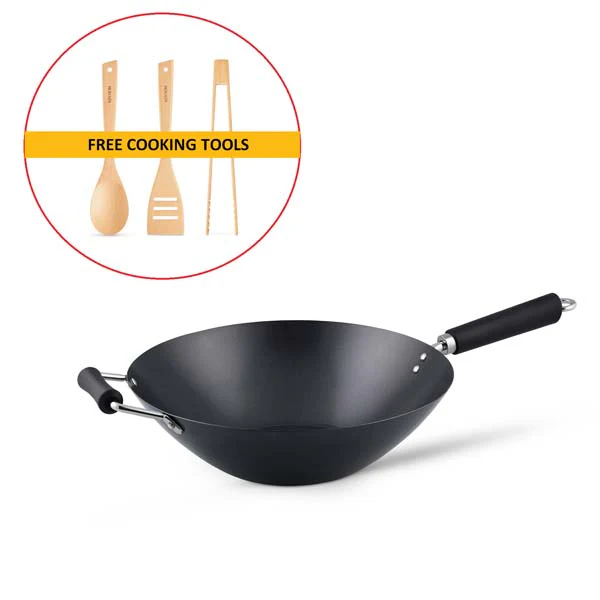
The Rise of the Flat Wok Pan: A Modern Culinary Essential
The story of the flat wok pan is one of ingenious adaptation. Recognizing the difficulties home cooks faced in balancing traditional round-bottom woks on standard electric or induction ranges, culinary innovator Joyce Chen patented the flat-bottom wok in 1971. This simple yet profound change created a wok that could sit stably on any flat cooktop, effectively bridging the gap between authentic Asian cooking techniques and the realities of contemporary kitchen equipment. It transformed the wok from a niche specialty item into a practical everyday tool for kitchens around the globe.
Unpacking the Flat Wok Pan: Advantages for the Home Chef
The flat wok pan isn’t just about convenience; it brings a host of benefits that make it an indispensable tool for any passionate cook.
Stability on Any Cooktop
Perhaps the most significant advantage of a flat wok pan is its inherent stability. Unlike its round-bottomed counterpart that requires a wok ring or a specialized burner, a flat wok pan sits securely on electric, induction, ceramic, and even gas stovetops. This ensures maximum contact with the heating element, leading to more efficient energy transfer and safer cooking. You can confidently stir, toss, and sauté without worrying about your pan wobbling or tipping.
Even Heat Distribution for Searing and Stir-Frying
With its flat base, this type of wok offers excellent, even heat distribution across the bottom surface when used on a flat cooktop. This is crucial for achieving that perfect sear on your ingredients, allowing them to caramelize beautifully without getting soggy. The high, sloping sides then create various heat zones, still allowing you to push cooked ingredients up to cooler areas while new ingredients hit the intense heat at the bottom.
Versatility Beyond Stir-Frying
Don’t let the name fool you – a flat wok pan is far more than just a stir-fry specialist. Its deep walls and stable base make it incredibly versatile. You can use it for deep frying, pan-frying, steaming (with a lid and rack), braising, and even roasting. It truly can be your one-pan solution for countless culinary tasks, making it a valuable addition to smaller kitchens where space is at a premium.
Larger Cooking Surface
Surprisingly, a flat wok pan often offers a slightly larger usable cooking surface at the bottom compared to a round-bottom wok of the same diameter. This means you can cook bigger batches of food, which is ideal for family meals or entertaining guests.
Easier Transition for Western Cooks
For those new to wok cooking, the flat wok pan provides a more familiar experience, akin to using a deep sauté pan. The tossing motion, while slightly different from the traditional “wok toss,” is intuitive for anyone accustomed to Western cooking techniques, making the transition into Asian-inspired dishes smooth and enjoyable.
Navigating the Nuances: What to Consider with a Flat Wok Pan
While incredibly advantageous, it’s also important to understand the distinctions of a flat wok pan compared to a traditional round wok.
The “Wok Hei” Dilemma
One aspect where the flat wok pan might differ from its round counterpart on a powerful dedicated wok burner is in achieving the most intense “wok hei” – the coveted smoky breath of the wok. Traditional round woks, especially over high-BTU gas burners, allow flames to lick up the sides, creating distinct heat zones and rapid vaporization of moisture. While a flat wok pan can certainly achieve excellent flavor and charring, that ultimate, restaurant-level “wok hei” is often more pronounced in round wbottom woks designed for commercial-grade heat.
Tossing Techniques and Limitations
The iconic circular “wok toss” motion, where food effortlessly glides up and down the wok’s sides, is typically easier to execute with a round-bottom wok. With a flat wok pan, you’ll employ a more “sauté pan” style tossing, relying on wrist flicking to keep ingredients moving in the flat base. Alternatively, a good wok spatula (chuan) becomes your best friend for quickly moving and turning food.
Potential for Scorching at the Center
Due to direct and continuous contact with the heat source, the flat bottom can become extremely hot, potentially leading to food scorching or sticking if not actively stirred. Maintaining vigilance and keeping ingredients moving is key to preventing this.
Warping Concerns with Sustained High Heat
Because the entire flat base is exposed to direct heat, some flat wok pans, particularly thinner ones, can be more susceptible to warping over time if consistently used at extremely high temperatures. Opting for thicker gauge carbon steel or cast iron can mitigate this risk.
Choosing Your Perfect Flat Wok Pan: Materials Matter
The material of your flat wok pan significantly impacts its performance, durability, and care requirements.
Carbon Steel: The Enduring Champion
For many culinary experts, carbon steel is the gold standard for woks, including the flat wok pan. Carbon steel offers exceptional heat responsiveness, heating up rapidly and cooling down quickly, which is crucial for stir-frying precision. It’s relatively lightweight, durable, and when properly seasoned, develops a natural, stick-resistant patina over time. For induction cooktops, carbon steel is an excellent choice as it is magnetic and provides superior heat transfer. “Carbon steel is responsive and builds character over time, becoming an extension of your cooking hand,” says Chef Li Wei, Culinary Innovator at WokPro.
Cast Iron: Robust and Retentive
Cast iron flat woks are incredibly robust and excellent at retaining heat. This makes them ideal for dishes requiring sustained, even heat, such as deep frying or long braises. However, cast iron is significantly heavier than carbon steel, which can make tossing ingredients more challenging. Like carbon steel, it requires seasoning to prevent rust and create a non-stick surface.
Non-stick & Other Options: Convenience vs. Performance
Non-stick flat wok pans offer unparalleled ease of cleaning and can be a good option for beginners or those prioritizing convenience. Modern non-stick coatings are more durable and capable of withstanding higher temperatures than in the past. However, they generally don’t achieve the same high-heat searing capabilities as carbon steel or cast iron, and metal utensils should be avoided to protect the coating. Stainless steel woks are also available, but many experts suggest they don’t offer the ideal heat dynamics needed for authentic wok cooking.
Mastering Your Flat Wok Pan: Tips for Usage and Care
Getting the most out of your flat wok pan involves understanding a few key principles of cooking and maintenance.
First Sizzle: Seasoning Your Carbon Steel Flat Wok Pan
If you opt for a carbon steel flat wok pan, seasoning is a vital ritual. This process creates a natural, non-stick layer and protects against rust.
- Clean Thoroughly: Remove any factory protective coating by scrubbing the wok vigorously with hot, soapy water and a stiff brush or steel wool.
- Dry Completely: Immediately place the wok over high heat on your stovetop until all moisture evaporates and the wok is bone dry.
- Oil and Heat: Turn off the heat. Apply a very thin, barely visible layer of high smoke point oil (like grapeseed or avocado oil) with a paper towel.
- Smoke and Repeat: Heat the wok over medium-high heat until the oil begins to smoke. Turn off the heat and let it cool slightly. Repeat the oiling and heating process 3-5 times, allowing the wok to cool down between layers. You’ll notice the wok gradually darkening as the patina develops.
Everyday Excellence: Cooking Techniques
- Preheat Adequately: Always preheat your flat wok pan thoroughly before adding oil. A properly heated wok will minimize sticking and ensure a good sear.
- Use High Smoke Point Oil: Oils like peanut, grapeseed, or canola are best for high-heat wok cooking.
- Don’t Overcrowd: Cook in batches if necessary. Overcrowding the flat wok pan will lower its temperature, steaming your food instead of stir-frying it.
- Keep Things Moving: Use a wok spatula or wooden spoon to constantly stir and toss ingredients, ensuring even cooking and preventing scorching on the flat base.
Keeping it Pristine: Cleaning and Maintenance
- Clean Immediately: After cooking, clean your flat wok pan while it’s still warm (but not scalding hot).
- Avoid Soap (for seasoned woks): For seasoned carbon steel or cast iron, avoid harsh detergents, which can strip away the patina. Hot water and a soft brush or natural loofah are usually sufficient.
- Dry Completely Over Heat: After washing, always dry your wok completely over low heat on the stove for a minute or two. This prevents rust, especially crucial for carbon steel and cast iron flat wok pans.
- Light Oil Rub (Optional): For carbon steel or cast iron, a very thin wipe of cooking oil after drying can further protect the seasoning.
Popular Dishes to Sizzle in Your Flat Wok Pan
The flat wok pan is your ticket to a world of flavor. Here are just a few ideas to get you started:
- Classic Stir-Fries: From chicken and broccoli to spicy Szechuan beef, the flat wok pan excels at quickly cooking vibrant stir-fries.
- Fried Rice: Achieve that perfectly fluffy, slightly crispy fried rice, just like your favorite takeout.
- Noodle Dishes: Whip up delicious Pad Thai, Lo Mein, or Singapore noodles with ease.
- Deep-Fried Delights: Its deep, stable structure makes it excellent for small-batch deep frying, whether it’s crispy spring rolls or tempura vegetables.
- Seafood Sauté: Quickly sauté shrimp, scallops, or calamari to tender perfection.
Flat Wok Pan FAQs
Can I use a flat wok pan on an induction stove?
Absolutely! Flat wok pans are specifically designed to be compatible with all types of stovetops, including induction burners. Ensure it’s made of a magnetic material like carbon steel or cast iron for optimal performance.
What’s the best material for a flat wok pan?
For most home cooks, carbon steel is highly recommended due to its excellent heat responsiveness, durability, and ability to develop a natural non-stick seasoning.
How do I season a flat wok pan?
Seasoning involves thoroughly cleaning the wok, drying it over heat, and then applying thin layers of high smoke point oil, heating it until it smokes, and repeating several times until a dark patina forms.
Can I achieve “wok hei” with a flat wok pan?
While a flat wok pan may not replicate the exact “wok hei” achieved in a commercial-grade round wok over intense flames, it can still produce highly flavorful, smoky, and well-seared dishes that rival restaurant quality. Proper preheating and not overcrowding are key.
Is a flat wok pan better than a round wok?
Neither is inherently “better”; they serve different purposes. A flat wok pan is superior for kitchens with flat stovetops (induction, electric, ceramic) due to its stability and efficient heat transfer. A round wok is traditionally used on specialized wok burners that accommodate its curved bottom and high heat.
Embrace the Flat Wok Pan for Culinary Adventures
The flat wok pan is more than just a piece of cookware; it’s an invitation to explore a universe of flavors and cooking techniques right in your own kitchen. Its stability, versatility, and efficient heat transfer make it an invaluable tool for both novice and experienced cooks. So, whether you’re stir-frying a quick weeknight meal or embarking on a culinary adventure, the flat wok pan empowers you to create delicious, restaurant-quality dishes with confidence and ease. Get ready to ignite your passion for cooking and make your flat wok pan the hero of your kitchen.