Stepping into a professional kitchen, one piece of equipment often stands out, commanding respect for its versatility and power: the Commercial Wok Pan. Far more than just a large frying pan, a high-quality commercial wok is the cornerstone of dynamic Asian cuisine, enabling chefs to create dishes bursting with flavor, texture, and the elusive “wok hei”—the smoky essence of expertly cooked food. Whether you’re a seasoned restaurateur, a budding chef, or simply passionate about elevating your culinary game, understanding the nuances of the commercial wok pan is key to unlocking a world of gastronomic possibilities. This comprehensive guide from WokPro.vn will delve deep into everything you need to know, from its rich history to essential techniques and maintenance, ensuring your kitchen is equipped for success.
The Enduring Legacy of the Wok: A Brief History
The wok’s story is as rich and complex as the dishes it creates. Originating in China over two millennia ago, this humble cooking vessel began as a simple tool for peasants, allowing them to cook diverse ingredients quickly and efficiently over scarce fuel resources. Its distinctive rounded bottom and high, sloping sides were perfectly designed for centralized heat and continuous movement, essential for stir-frying, but also adept at steaming, deep-frying, braising, and smoking. As Chinese cuisine spread across Asia and eventually the globe, so too did the wok, adapting to new cultures, ingredients, and cooking methods. The commercial wok pan of today is the proud descendant of these ancient designs, refined and engineered to meet the rigorous demands of modern professional kitchens, ensuring durability, consistent performance, and unparalleled cooking results.
Understanding Your Options: Types and Materials of Commercial Wok Pans
Choosing the right commercial wok pan is crucial, and it largely depends on your kitchen’s specific needs, cooking volume, and stove type. The market offers a variety of materials and designs, each with unique advantages.
Round vs. Flat Bottom: When and Why?
Traditionally, woks have a round bottom, perfectly suited for the intense, focused heat of a wok burner, allowing for maximum heat distribution and easy tossing of ingredients. This design is ideal for achieving “wok hei.” However, for kitchens utilizing Western-style flat-top ranges, a flat-bottom commercial wok pan offers greater stability and more efficient heat transfer on electric or induction cooktops. While a flat-bottom wok might not deliver the exact same fluid motion as its round-bottom counterpart, it still excels at stir-frying and other high-heat techniques, making it a practical choice for many commercial settings.
Material Breakdown: Finding Your Perfect Pan
The material of your commercial wok pan significantly impacts its performance, durability, and maintenance.
- Carbon Steel: The Pro’s Choice
Carbon steel is, without a doubt, the most popular material for commercial woks, and for good reason. It heats up incredibly fast and evenly, is relatively lightweight, and incredibly durable. The real magic of carbon steel lies in its ability to develop a natural, non-stick patina (seasoning) over time with proper use and care. This seasoning not only makes the wok naturally non-stick but also imparts a subtle depth of flavor to the food, a quality cherished by professional chefs. While it requires regular seasoning and careful maintenance to prevent rust, its superior performance makes it a worthwhile investment. - Cast Iron: For Robust Heat Retention
Cast iron commercial wok pans are exceptionally robust and renowned for their superb heat retention. Once heated, they maintain a consistent temperature, which is excellent for searing and deep-frying, ensuring ingredients cook evenly. However, cast iron woks are significantly heavier and take longer to heat up and cool down compared to carbon steel. Like carbon steel, they benefit from seasoning to create a non-stick surface and prevent rust. Their weight and slower response time make them less ideal for rapid tossing but perfect for dishes requiring sustained, even heat. - Stainless Steel: Easy Care, Modern Appeal
Stainless steel commercial wok pans offer excellent corrosion resistance and are incredibly easy to clean and maintain, often being dishwasher safe. They don’t require seasoning and are non-reactive, meaning they won’t impart metallic flavors to acidic foods. However, stainless steel doesn’t conduct heat as efficiently or evenly as carbon steel or cast iron, potentially leading to hot spots. Multiclad stainless steel woks, which incorporate layers of aluminum or copper, improve heat distribution but come at a higher cost. - Aluminum: Lightweight and Responsive
Aluminum commercial wok pans are lightweight and heat up very quickly, making them highly responsive to temperature changes. This is an advantage for rapid cooking tasks where precise heat control is important. While raw aluminum can be reactive with acidic foods, many commercial aluminum woks come with non-stick coatings, enhancing their usability and making them easier to clean. They are generally less expensive than other materials but may not offer the same longevity or the cherished “wok hei” properties of carbon steel.
Non-stick and Specialty Coatings
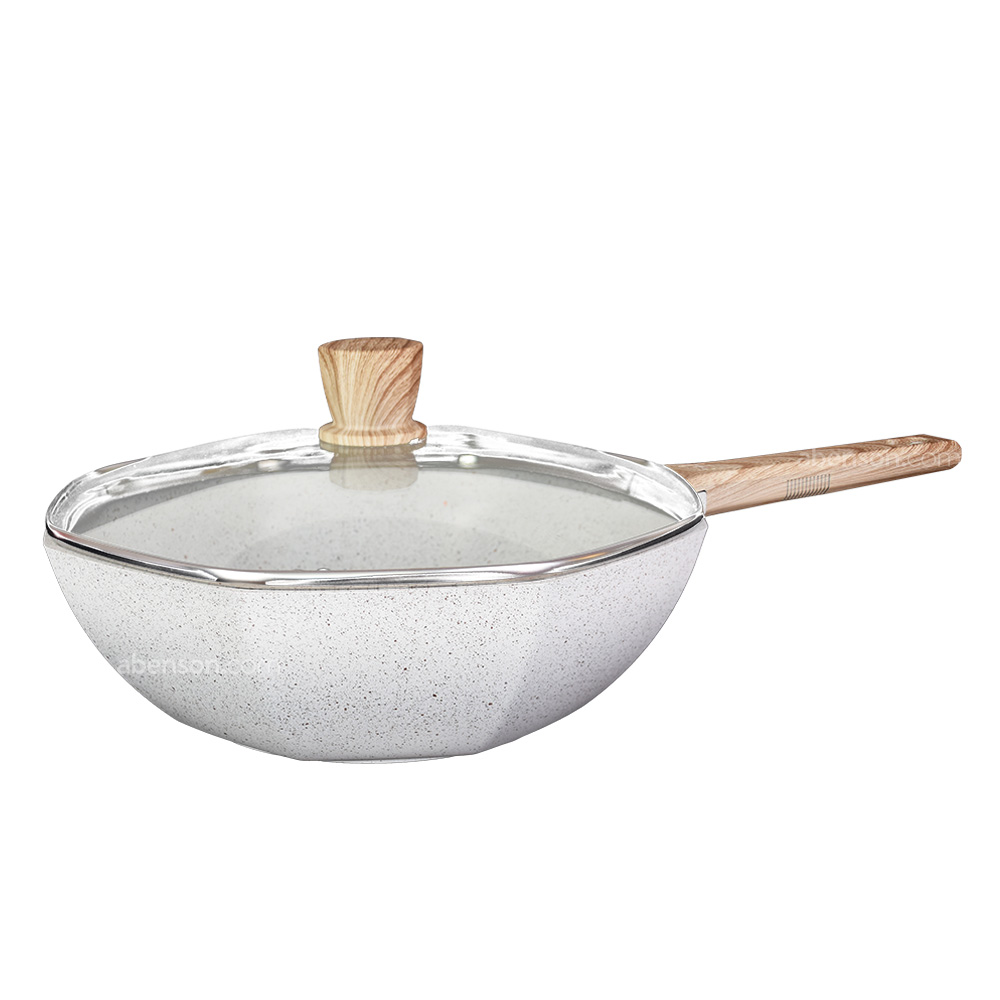
For busy commercial kitchens that prioritize convenience and ease of cleaning, non-stick commercial wok pans are a popular option. These often feature advanced coatings that prevent food from sticking, reducing the need for excessive oil and simplifying cleanup. While modern non-stick coatings are designed for durability, they may not withstand the extremely high temperatures required for traditional wok cooking techniques as effectively as seasoned carbon steel or cast iron. Specialty woks, such as those designed for induction ranges, also feature specific construction (often magnetic stainless steel or cast iron) to work with induction heating elements.
Mastering Your Commercial Wok: Usage and Maintenance
A commercial wok pan is an investment, and proper usage and maintenance are essential to ensure its longevity and peak performance.
First Use: Seasoning Your Carbon Steel Wok
For carbon steel woks, seasoning is not just a step; it’s a ritual. This process creates a polymerized oil layer that acts as a natural non-stick surface and protects against rust. Typically, it involves washing the new wok thoroughly to remove any factory oils, then heating it until it changes color, applying a thin layer of high smoke point oil (like grapeseed or flaxseed oil), and heating it again until it smokes. This process is repeated several times until a dark, even patina forms. A well-seasoned wok will improve with every use, deepening its non-stick qualities and flavor.
Proper Heating Techniques
The secret to great wok cooking is heat, and lots of it. A commercial wok pan needs to be heated to a very high temperature before adding oil or ingredients. This intense heat sears the food quickly, locking in juices and flavors. Always preheat your wok until it’s smoking slightly before adding oil. Then, swirl the oil to coat the surface, and wait until it shimmers before introducing ingredients. This ensures food cooks instantly upon contact, preventing sticking and achieving that perfect sear.
Cleaning and Storage for Longevity
Cleaning a commercial wok pan, especially carbon steel or cast iron, differs from cleaning regular cookware. After cooking, deglaze the wok with hot water while it’s still warm (but not scorching hot). Use a wok brush or a soft sponge to remove food residues. Avoid harsh soaps or abrasive scrubbers, as these can strip away the seasoning. For stubborn bits, a bamboo wok brush is ideal. Thoroughly dry the wok immediately after washing to prevent rust, then apply a very thin layer of cooking oil to protect the seasoned surface before storing it in a dry place. Stainless steel and non-stick woks are generally easier to clean with standard dish soap and water.
The Art of Wok Cooking: Essential Techniques for Commercial Kitchens
The commercial wok pan is a master of many culinary arts. While stir-frying is its most famous application, its unique design allows for a diverse range of cooking methods that are indispensable in a professional kitchen.
Stir-Frying: The Heart of Wok Cuisine
Stir-frying in a commercial wok pan is a rapid cooking technique that involves quickly tossing small pieces of food in a minimal amount of very hot oil. The high heat, combined with constant movement, ensures ingredients cook quickly and evenly, retaining their vibrant colors and crisp textures. Proper stir-frying technique involves working in batches to avoid overcrowding the wok, which can lower the temperature and steam the food instead of searing it. The goal is to achieve a beautiful caramelization and intense flavor, hallmarks of great wok cooking.
Beyond Stir-Frying: Deep Frying, Steaming, Braising, and Smoking
A commercial wok’s versatility extends far beyond stir-frying.
- Deep-Frying: The deep, concave shape makes it ideal for deep-frying, requiring less oil than a flat-bottomed pot and allowing for even submersion of food.
- Steaming: By placing a bamboo or metal steamer rack inside the wok and adding water to the bottom, it transforms into an efficient steamer for dumplings, fish, and vegetables.
- Braising: The wok can also be used for slow-cooking and braising, its sloped sides allowing for good evaporation and reduction of sauces.
- Smoking: With a simple setup using foil, rice, sugar, and tea leaves, a wok can even be used as a smoker, infusing food with aromatic flavors.
Achieving “Wok Hei”: The Breath of the Wok
“Wok hei” (鑊氣) is a Cantonese term that translates to “the breath of the wok” or “essence of the wok.” It refers to the unique, charred, smoky aroma and flavor imparted to food when cooked in a well-seasoned wok over extremely high heat. This phenomenon is a combination of caramelization, maillard reaction, and the slight combustion of atomized oil and food particles in the wok. Achieving “wok hei” is a hallmark of skilled wok cooking and a defining characteristic of authentic Asian stir-fries, making the commercial wok pan an indispensable tool for chefs striving for culinary excellence.
Why Go Commercial? The Undeniable Benefits of a Professional Wok Pan
While home woks serve their purpose, a commercial wok pan offers distinct advantages that are vital in a busy restaurant environment.
Built to Last: Durability and Longevity
Commercial-grade woks are engineered to withstand the relentless demands of a professional kitchen. They are constructed from thicker, more resilient materials and feature robust handles and connections that can endure high heat, constant movement, and frequent washing cycles. Unlike their consumer counterparts, commercial woks are designed for heavy-duty, continuous use, translating into a longer lifespan and reduced replacement costs.
Superior Heat Performance: Efficiency and Consistency
The core of a commercial wok pan’s superiority lies in its heat performance. Designed to work with powerful commercial burners, these woks heat up faster and retain heat more effectively, ensuring consistent cooking temperatures even when large quantities of cold ingredients are added. This efficiency is critical in a fast-paced setting, allowing chefs to cook dishes quickly and uniformly, maintaining quality and consistency from order to order. This also contributes to energy efficiency, as less time and fuel are needed to reach and maintain optimal cooking temperatures.
Safety and Compliance in the Kitchen
Commercial wok pans often feature designs and materials that prioritize safety in a professional setting. This includes heat-resistant handles, secure welding, and non-reactive materials that comply with food safety standards. These features minimize the risk of accidents, such as burns or contamination, and help kitchens adhere to stringent health regulations, providing peace of mind for both chefs and patrons.
Cost-Effectiveness in the Long Run
While the initial investment in a commercial wok pan might be higher than a home-use model, its durability and efficiency translate into significant long-term savings. Reduced need for frequent replacements, lower energy consumption due to efficient heating, and the ability to consistently produce high-quality dishes that attract repeat customers all contribute to a favorable return on investment.
Dishes That Shine: Popular Creations from Your Commercial Wok
The commercial wok pan is a culinary canvas for an endless array of dishes. Here are just a few popular creations that truly shine when cooked with this versatile tool:
- Classic Stir-Fries: From the savory and spicy Pad Thai with its perfect noodle texture to the comforting, umami-rich Lo Mein and crispy vegetable stir-fries, the wok elevates these dishes with its intense heat and characteristic “wok hei.”
- Authentic Curries and Stews: The wok’s deep sides make it excellent for simmering aromatic curries, like a rich Massaman or a vibrant Green Curry, allowing flavors to meld beautifully. It’s also great for quick, flavorful stews.
- Crispy Fried Rice and Noodles: Achieving perfectly separated, slightly charred grains of fried rice or springy, well-coated noodles is a signature of wok cooking. The high heat prevents sogginess and develops incredible texture.
- Steamed Delicacies: Delicate dim sum, perfectly cooked fish fillets, or tender steamed vegetables retain their nutrients and natural flavors when prepared in a wok steamer.
- Deep-Fried Appetizers: Crispy spring rolls, perfectly golden tempura, or flavorful fried chicken wings all benefit from the even, consistent heat provided by deep-frying in a commercial wok.
FAQs About Commercial Wok Pans
We understand you might have more questions about integrating a commercial wok pan into your kitchen. Here are some frequently asked questions:
Q1: What’s the ideal size for a commercial wok?
The ideal size for a commercial wok pan varies based on the volume of food you typically cook. Common sizes range from 14-inch for smaller operations or specific dishes to 20-inch or larger for high-volume restaurants. Consider how much food you need to cook in a single batch to avoid overcrowding.
Q2: Can I use a commercial wok on an induction stovetop?
Yes, but you need a commercial wok pan specifically designed for induction. These woks have a magnetic base (usually made of cast iron or magnetic stainless steel) that allows them to interact with the induction cooktop’s magnetic fields for heating. Flat-bottom induction woks are more common.
Q3: How often should I re-season my carbon steel wok?
A well-used carbon steel commercial wok pan will naturally maintain its seasoning. However, if you notice food sticking more often, or if the wok starts to look dull or shows signs of rust, it’s a good time for a quick re-seasoning. Light re-seasoning after particularly aggressive cleaning or acidic cooking is also beneficial.
Q4: What’s the difference between a wok and a stir-fry pan?
A traditional wok has a rounded bottom and high, sloping sides, designed for traditional wok stoves and for fluid tossing. A stir-fry pan typically has a flatter base, making it more stable and compatible with conventional flat-top stoves, while still offering sloped sides for similar cooking actions.
Q5: Are non-stick commercial woks durable enough for heavy use?
Modern non-stick commercial wok pans are designed with enhanced durability in mind, featuring multi-layered coatings built to withstand more rigorous use than home versions. However, they generally still require more careful handling (e.g., using only silicone or wood utensils) and may not last as long as a properly maintained carbon steel wok under extreme high-heat conditions.
Conclusion
The commercial wok pan is more than just a piece of kitchen equipment; it’s a gateway to culinary excellence, a tool that connects chefs to centuries of rich cooking traditions. By understanding the diverse types, materials, and essential techniques, and by committing to proper usage and maintenance, you can harness the full power of this incredible vessel. From lightning-fast stir-fries imbued with the coveted “wok hei” to perfectly steamed delicacies and robust curries, a well-chosen and expertly handled commercial wok pan will not only streamline your kitchen operations but also inspire you to create dishes that captivate and delight every diner. It’s time to elevate your kitchen’s artistry and embrace the transformative power of the wok.