Stepping into the kitchen with a Chinese Iron Wok Pan is like unlocking a secret level in your cooking adventure. It’s more than just cookware; it’s a centuries-old tradition, a symbol of culinary precision, and your ticket to creating dishes bursting with authentic flavor. At WokPro, we believe everyone deserves to experience the magic of cooking with a genuine Chinese iron wok pan, transforming everyday meals into extraordinary feasts. Forget bland, forget sticky – get ready for a revolution in your kitchen.
The Enduring Legacy: A Brief History of the Wok
The story of the wok is a testament to human ingenuity and resourcefulness, a tale rooted deep in ancient China. Imagine a time over two millennia ago, during the Han Dynasty, when fuel was a precious commodity. It was out of this necessity that the wok, a thin-walled, round-bottomed cooking vessel, was born. Its unique design allowed for maximum heat concentration and incredibly efficient cooking, making the most of every ember and flame.
Originally designed to nestle perfectly into pit-style hearths, or “zào,” the wok became the cornerstone of Chinese kitchens, evolving from a simple fuel-saver to an indispensable tool for an astonishing array of cooking methods. The very word “wok” is Cantonese for “cooking pot,” underscoring its fundamental role in Asian culinary heritage. This versatile pan quickly spread throughout Asia, adapting to local cuisines while always retaining its core essence as a master of heat and flavor.
Why the Chinese Iron Wok Pan Stands Out
When we talk about the Chinese iron wok pan, we’re specifically highlighting the enduring power and performance of cast iron. While other materials like carbon steel, copper, and aluminum have their place, traditional iron woks offer unique advantages that have made them beloved for generations.
Materials & Design: The Heart of the WokPro Difference
A true Chinese iron wok pan is renowned for its exceptional heat retention and incredibly even heat distribution. Imagine searing a piece of meat or stir-frying vegetables; the consistent temperature across the entire cooking surface ensures everything cooks uniformly and beautifully. This is a distinct advantage over some lighter materials like carbon steel, which heats up and cools down quickly. While carbon steel woks are prized for their responsiveness, the sustained, powerful heat of an iron wok is unparalleled for certain techniques and achieving that coveted depth of flavor.
The iconic round-bottom design of a traditional wok is no accident. It’s engineered to concentrate heat at the very center, perfect for the intense, rapid cooking methods of Chinese cuisine. For those with modern Western stovetops, flat-bottomed iron woks are also available, providing stability without sacrificing the high, sloping sides that are crucial for tossing and stirring ingredients with ease.
Benefits Beyond Compare
The versatility of the Chinese iron wok pan is truly its superpower. From the lightning-fast sizzle of a stir-fry to the gentle steam of dumplings, the deep-frying of crispy spring rolls, or the slow braising of savory meats, one wok can do it all. This makes it an economical and space-saving choice for any kitchen.
But the real magic lies in its ability to develop a “patina” and impart “wok hei.” The patina is that beautiful, dark, naturally non-stick layer that builds up over time with proper seasoning and use. It’s a living surface that gets better with every dish. “Wok hei,” a Cantonese term translating to “the breath of the wok,” describes the complex, smoky, subtly charred aroma and flavor that defines authentic, restaurant-quality stir-fried dishes. It’s a culinary ideal that a well-loved iron wok helps you achieve.
Your First Steps: Seasoning Your Chinese Iron Wok Pan
You’ve got your new Chinese iron wok pan – congratulations! Now, let’s talk about its initiation: seasoning. This isn’t just a step; it’s a ritual, crucial for preventing rust and creating that legendary, naturally non-stick cooking surface. Think of it as building a bond with your wok, a bond that deepens with every meal you make.
Why Seasoning is Crucial
Unlike non-stick pans with synthetic coatings, an iron wok relies on a layer of polymerized oil, known as seasoning or patina, for its non-stick properties. This protective layer also acts as a shield against rust, which is vital for any iron cookware. A well-seasoned wok heats more efficiently and imparts a subtle, desirable flavor to your food over time.
Step-by-Step Guide to Stovetop Seasoning
The stovetop method is a popular and effective way to season your new wok. You’ll need a high smoke point oil (like peanut, grapeseed, or canola oil), a clean cloth or paper towels, and optionally, raw pork fat or aromatics like ginger and scallions.
- Initial Cleaning: Your new wok will likely have a factory protective coating. Scrub the entire wok, inside and out, vigorously with dish soap and a scouring pad to completely remove this coating. Rinse thoroughly with hot water. This is usually the only time your wok will see dish soap!
- Thorough Drying: Place the clean wok over medium-high heat on your stovetop. Let it heat until all traces of water evaporate and the wok is completely dry. You might see some color changes, which is normal.
- First Oil Layer: Turn off the heat or reduce it to low. Allow the wok to cool slightly so it’s safe to handle. Apply a very thin, even layer of your chosen high smoke point oil to the entire interior surface of the wok with a paper towel or cloth. Don’t forget the sides!
- Heat and Wipe Cycles (The Pork Fat Method):
- Place the lightly oiled wok back over medium heat.
- If using raw pork fat, rub it all over the inner surface of the wok. As the fat melts, it will create smoke. Continue rubbing and moving the fat, ensuring the oil coats every part of the wok.
- If not using pork fat, add 2-3 tablespoons of oil and a handful of sliced ginger and scallions. Stir-fry these aromatics, pushing them up the sides, allowing the oil to coat the entire cooking surface. Cook until the aromatics are charred.
- Continue this process for 10-15 minutes, ensuring good ventilation. The wok will darken and possibly smoke.
- Discard the pork fat or aromatics.
- Wipe the wok clean with paper towels. You’ll notice a brownish-black residue – this is good!
- Wash the wok with hot water only (no soap!), scrub with a wok brush to remove any food bits, and dry thoroughly over heat again.
- Repeat steps 3-6 three to four times, until the wok develops a dark, glossy, non-stick patina. Each layer builds on the last, strengthening the seasoning.
What is “Wok Hei” and How to Achieve It?
“Wok hei” is the pinnacle of wok cooking, a complex interplay of smoky, seared flavors that comes from cooking ingredients rapidly over intense heat in a properly seasoned wok. To achieve it:
- High Heat is Key: Your wok needs to be ripping hot before you add any ingredients.
- “Hot Wok, Cold Oil”: Heat the dry wok until it’s smoking, then add oil, swirl it, and immediately add your ingredients. This helps create a non-stick surface and a powerful sear.
- Don’t Overcrowd: Cook in batches if necessary to maintain high heat. Overcrowding cools the wok down, leading to steaming instead of searing.
- Constant Movement: Keep ingredients moving, tossing them up the sides and back down into the hottest part of the wok.
Keeping Your Wok Happy: Essential Care and Maintenance
Your Chinese iron wok pan is a lifelong companion, but like any good relationship, it thrives on care and attention. Proper maintenance ensures its longevity and continues to build that incredible seasoning layer.
Daily Cleaning: Hot Water is Your Friend
After each use, clean your wok immediately while it’s still warm.
- No Soap (Mostly): For daily cleaning, avoid dish soap. It can strip away the precious seasoning you’ve worked so hard to build.
- Hot Water & Wok Brush: Rinse with hot water and use a stiff wok brush or a non-abrasive scrubber to remove any food residue. If stubborn bits remain, you can gently scrape with a bamboo spatula.
- Quick Scrub: Don’t let food sit and dry in the wok.
Drying & Oiling: The Rust Prevention Ritual
This step is critical to prevent rust, the arch-nemesis of iron cookware.
- Heat Dry: After washing, place the wok back on the stove over low to medium heat. Let it heat until every drop of water has evaporated and the wok is completely dry. This takes just a minute or two.
- Thin Oil Layer: Once dry and slightly cooled, apply a tiny amount (about half a teaspoon) of high smoke point oil to a paper towel. Rub a thin, even layer over the entire interior surface of the wok. This creates a protective barrier.
- Storage: Store your wok in a cool, dry place.
What to Avoid
- Acidic Foods (Initially): While your wok’s seasoning strengthens, avoid cooking highly acidic foods like tomatoes or vinegar-based sauces. Acids can break down the seasoning. Over time, as your wok becomes more seasoned, it can handle occasional acidic ingredients, but always be mindful.
- Prolonged Soaking: Never leave your iron wok soaking in water. This is a surefire way to invite rust.
- Dishwashers: Absolutely no dishwashers! The harsh detergents and high heat will ruin your seasoning.
If you ever see a spot of rust, don’t panic! Simply scrub the rust off with an abrasive pad, dry the wok thoroughly, and re-season that spot (or the whole wok) following the steps above.
Unleash Your Inner Chef: Mastering Wok Cooking Techniques
The Chinese iron wok pan is a stage for culinary theatrics. Once you understand its principles, you’ll be amazed at the diverse dishes you can create.
Stir-Frying Fundamentals
Stir-frying is the signature act of the wok, a dance of heat, speed, and flavor.
- “Hot Wok, Cold Oil”: As mentioned, heat your wok empty until it’s smoking, then add oil, swirl, and immediately introduce your ingredients. This minimizes sticking and maximizes searing.
- Ingredient Preparation: This is key! All ingredients should be prepped, chopped into uniform, bite-sized pieces, and laid out before you even turn on the heat. The wok cooks fast, so you won’t have time to chop mid-cook. Ensure vegetables are dry to prevent steaming.
- Layering Ingredients: Add ingredients in stages based on their cooking time. Denser vegetables and meats typically go in first, followed by softer vegetables and sauces.
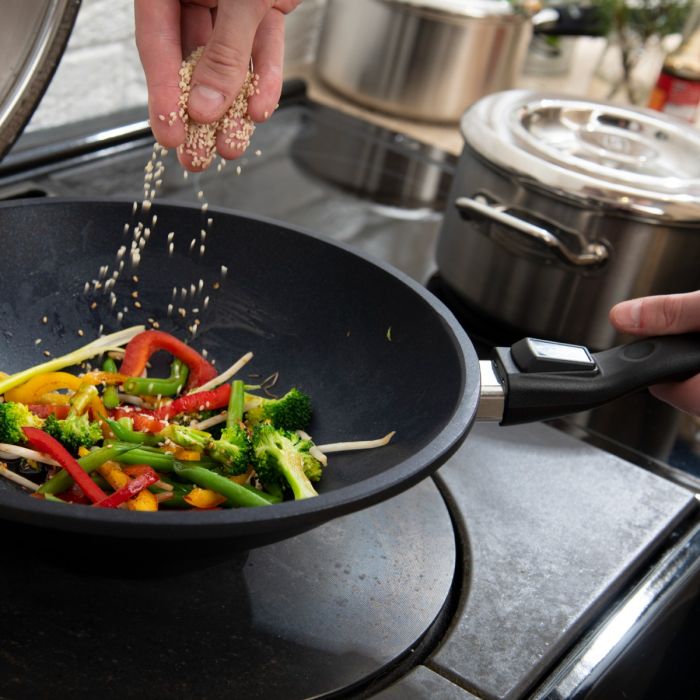
- Dynamic Tossing: Keep the ingredients moving constantly. Use a wok spatula or scoop to toss them from the bottom to the sides, ensuring even exposure to the intense heat. This also helps build that “wok hei.”
Beyond Stir-Frying
While stir-frying is paramount, your Chinese iron wok pan is incredibly versatile:
- Deep-Frying: The deep, sloped sides are perfect for deep-frying, requiring less oil than a flat-bottomed pan and reducing splattering.
- Steaming: Add a steaming rack and a lid, and your wok transforms into an excellent steamer for dumplings, fish, or vegetables.
- Braising & Stewing: The excellent heat retention of iron makes it ideal for slow-cooked dishes, allowing flavors to meld beautifully.
- Pan-Frying & Searing: Achieve a perfect sear on meats or crisp vegetables.
A World of Flavor: Popular Dishes for Your Chinese Iron Wok Pan
With your seasoned Chinese iron wok pan, a universe of delicious possibilities opens up. Here are just a few beloved dishes you can master:
- Fried Rice: The ultimate leftover transformation! Achieve that signature restaurant-style smoky flavor and individual, slightly crispy grains of rice. Try a classic Yang Chow Fried Rice with shrimp, char siu pork, and peas.
- Kung Pao Chicken: A spicy, savory, and slightly sweet Sichuan classic with tender chicken, peanuts, and dried chilies.
- Beef and Broccoli: A takeout favorite that’s surprisingly easy to recreate at home, featuring tender beef slices and crisp-tender broccoli florets in a savory sauce.
- Vegetable Chow Mein: Toss fresh chow mein noodles with an assortment of vibrant vegetables like bok choy, carrots, and snow peas for a quick and satisfying meal.
- Tomato and Egg Stir-Fry: A comforting, homely Chinese dish that highlights the simple perfection of fresh tomatoes and scrambled eggs.
Don’t limit yourself to Asian cuisine! Your iron wok can also be used for sautéing greens, popping popcorn, or even making frittatas, proving its adaptability in any kitchen.
Expert Insights: Q&A with Chef Li Wei
We sat down with Chef Li Wei, a celebrated culinary artist and authority on traditional Chinese cooking, to get his take on the essential Chinese iron wok pan.
“What makes a Chinese iron wok pan different from other pans?”
“The fundamental difference,” explains Chef Li Wei, “is its unmatched heat retention and distribution. While carbon steel woks are fast, a well-cared-for iron wok provides a deep, pervasive heat that truly penetrates ingredients, allowing for a more profound flavor development, especially when creating that sought-after ‘wok hei.’ It’s like the difference between a quick sprint and a powerful, enduring journey.”
“How do I know if my wok is properly seasoned?”
“A properly seasoned wok will have a deep, dark, almost glossy black surface and food will release easily,” says Chef Li Wei. “When you cook, oil should spread smoothly across the surface, and you’ll notice a natural non-stick quality developing. Don’t expect perfection overnight; seasoning is a continuous process. Every time you cook and maintain it correctly, you’re enhancing that beautiful patina.”
“Can I use my Chinese iron wok pan on an electric stove?”
“Absolutely, though there’s a slight adaptation,” Chef Li Wei clarifies. “While traditional round-bottom woks thrive on gas flames, flat-bottomed iron woks are designed for electric and induction stovetops. The key is to allow your iron wok to heat up gradually on an electric burner to ensure even heating before adding oil and ingredients. It might take a little longer to get to temperature, but the heat retention will still be excellent.”
“What are common mistakes beginners make with a wok?”
“One of the biggest mistakes is overcrowding the wok,” Chef Li Wei advises. “This drops the temperature too quickly, causing food to steam rather than stir-fry, losing that crucial ‘wok hei’ effect. Another common error is using too much oil or not drying the wok completely after washing, which can lead to sticking and rust.”
“How can I achieve ‘wok hei’ at home?”
“Achieving ‘wok hei’ at home requires practice and attention to heat,” shares Chef Li Wei. “Start with a very hot, dry wok, then add your cold oil. Don’t add too many ingredients at once; cook in smaller batches if necessary. Ensure your ingredients are dry. And most importantly, keep things moving! Constant tossing and stirring is essential to ensure even cooking and that beautiful smoky char.”
Embrace the WokPro Journey
The Chinese iron wok pan is more than just a piece of cookware; it’s an invitation to explore a rich culinary tradition, to master new techniques, and to bring truly exceptional flavors to your table. From its ancient origins to its place in modern kitchens, it remains a symbol of efficiency, versatility, and deliciousness.
At WokPro.vn, we’re dedicated to being your ultimate guide, inspiring you to embrace the art of wok cooking. So, grab your wok, season it with care, and get ready to create mouth-watering dishes that will impress your family and friends. The journey to culinary excellence starts here!