Welcome, fellow food enthusiasts, to the vibrant world of WokPro.vn! Today, we’re diving deep into the heart of Asian cooking: the Carbon Steel Wok Pan. More than just a cooking vessel, it’s a culinary cornerstone, a gateway to flavors and techniques that have delighted palates for centuries. If you’ve ever dreamt of perfecting that smoky stir-fry or creating delectable deep-fried treats, understanding your carbon steel wok is the first crucial step. It’s an indispensable tool in any kitchen, promising durability, versatility, and the unique ability to transform simple ingredients into extraordinary culinary masterpieces.
The Enduring Legacy: History and Evolution of the Wok Pan
The wok’s story begins in ancient China, where its iconic design and functionality quickly made it a central piece in every kitchen. Originally used over open fires, its distinct round-bottomed shape was perfectly suited for harnessing intense heat, allowing cooks to swiftly prepare meals using the stir-fry method, known as “chǎo” (炒). Over time, as cooking methods evolved and kitchens adapted, so too did the wok. The fundamental design, however, remained largely unchanged, a testament to its brilliant efficiency. From humble beginnings, the wok has blossomed into a versatile cooking tool, adapting to diverse cooking styles and cuisines far beyond its Chinese origins.
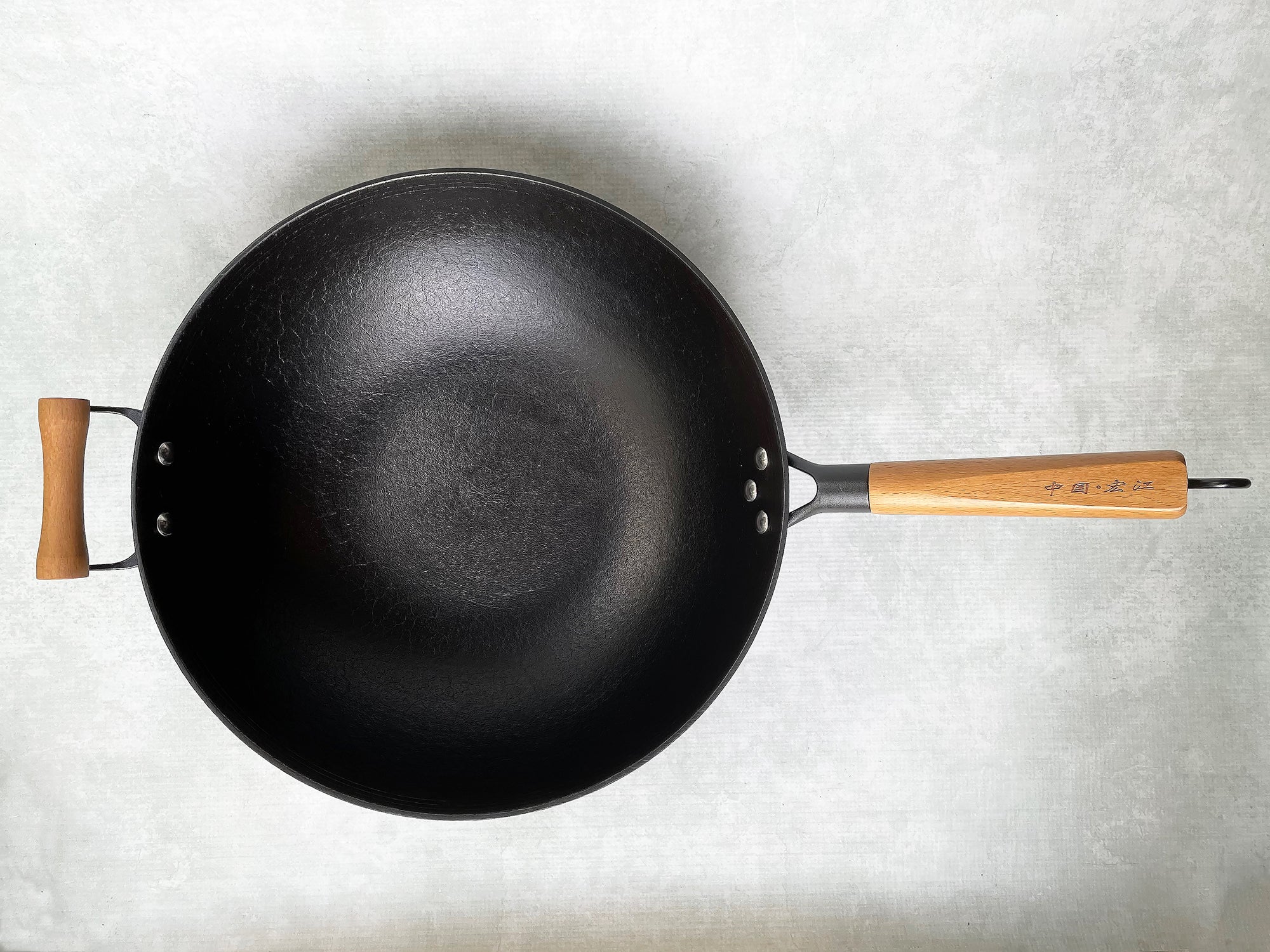
Understanding Your Workhorse: Types of Carbon Steel Wok Pans and Materials
While the term “wok” often conjures a single image, carbon steel woks come in various forms, each with nuances that cater to different cooking environments and preferences.
Flat Bottom vs. Round Bottom
Choosing between a flat-bottomed and a round-bottomed carbon steel wok pan is often the first decision you’ll make:
- Round-Bottomed Woks: These are the traditional choice, ideal for powerful wok burners that deliver intense, concentrated heat. Their curved surface allows ingredients to move freely and evenly heat across all surfaces, creating the authentic “wok hei” (breath of the wok) – that distinctive smoky flavor.
- Flat-Bottomed Woks: Designed for modern Western stovetops (electric, gas, induction), these woks have a flattened base that provides stable contact with the burner. They offer good heat distribution and are more practical for most home cooks, ensuring you can still achieve excellent stir-fries without a specialized wok burner. As culinary expert Chef Li Wei often remarks, “For the home kitchen, a flat-bottomed carbon steel wok is your best friend. It bridges tradition with modern convenience without sacrificing flavor.”
Handle Styles
- Long Handle (Northern Style): Often resembling a frying pan handle, this style is great for tossing and flipping ingredients, providing good leverage. It’s excellent for single-handed manipulation during vigorous stir-frying.
- Two Short Handles (Cantonese Style): These allow for easier lifting and carrying, especially for larger woks, and are often preferred for steaming or deep-frying where stability is paramount. Some woks feature one long handle and one smaller “helper” handle for added versatility.
Thickness and Size
The thickness of your carbon steel wok pan impacts its heat characteristics:
- Thinner Woks (around 1.0-1.5mm): These heat up and cool down rapidly, offering precise temperature control, which is crucial for quick stir-frying.
- Thicker Woks (around 2.0-3.0mm): While taking longer to heat, they retain heat exceptionally well, making them suitable for deep-frying and long simmering.
As for size, a 14-inch wok is often considered the most versatile for home use, providing ample space for tossing ingredients without overcrowding, even when cooking for a family. For single servings, a 12-inch wok might suffice, but for truly spreading out and preventing steaming, a 14-inch is hard to beat.
The Heart of the Matter: Using and Caring for Your Carbon Steel Wok Pan
Owning a carbon steel wok pan is a commitment, but a rewarding one. Its longevity and performance hinge on proper seasoning and care.
The Art of Seasoning
Seasoning is the process of creating a thin, polymerized oil layer on the wok’s surface, which provides a natural non-stick coating and protects against rust. It’s a rite of passage for any carbon steel wok owner.
Step-by-Step Seasoning Guide:
- Clean Thoroughly: Remove any factory-applied protective coating by scrubbing with hot, soapy water and a stiff brush or steel wool. This is the only time you’ll use soap on your wok. Rinse completely.
- Dry Immediately: Place the wok over high heat on your stovetop until all water evaporates and the wok starts to smoke slightly. This prevents rust.
- Apply Oil: Turn off the heat. Using a paper towel, apply a very thin, even layer of high smoke point oil (like grapeseed, flaxseed, or avocado oil) to the entire inside surface of the wok. Wipe off any excess – you want it almost dry.
- Heat to Smoke Point: Place the wok back on high heat. The oil will begin to smoke. Continue heating until the entire surface darkens, often turning shades of amber, brown, or even blue. Rotate the wok to ensure even heating of all sides.
- Cool and Repeat: Let the wok cool slightly, then repeat steps 3 and 4 several times. The more layers of seasoning you build, the more robust and non-stick your wok will become. Aim for at least 3-5 layers before its first use.
Expert Tip from WokPro’s Culinary Director, Anya Sharma: “Don’t be afraid of a little smoke during seasoning! It means you’re doing it right. Patience is key; a well-seasoned wok is your secret weapon for incredible flavor.”
Daily Cleaning and Maintenance
Forget the dishwasher and harsh detergents; they will strip your precious seasoning.
- After Each Use: Rinse the warm wok with hot water immediately after cooking. Use a soft brush or a wok brush (made of bamboo or coconut fiber) to remove any food residue.
- Avoid Soap: Generally, avoid soap unless absolutely necessary to remove stubborn grease. If you do use a tiny bit of soap, re-season a light layer of oil afterwards.
- Dry Thoroughly: Always dry your wok completely over low heat on the stovetop to prevent rust.
- Light Oil Coating: Once dry, apply a very thin layer of cooking oil to the inside surface before storing.
Unlock the Flavor: Essential Wok Cooking Techniques
The carbon steel wok pan excels in high-heat cooking, bringing out incredible flavors and textures.
- Stir-Frying (Chǎo): The quintessential wok technique. Preheat your wok until it smokes lightly, then add oil. Quickly cook small, uniformly cut ingredients in batches, tossing constantly. The high heat sears the food, locking in juices and creating that desirable “wok hei.”
- Deep-Frying (Zhà): The wok’s deep, sloped sides are perfect for deep-frying, reducing oil splatter and providing a large surface area for heat retention.
- Steaming (Zhēng): Place a steaming rack inside the wok with water at the bottom, then cover. The wok’s spacious interior accommodates large steaming baskets.
- Pan-Frying (Jiān): Use it like a large frying pan for searing meats or making crispy dumplings.
- Braiding/Stewing (Shāo): While primarily for high heat, the wok can also be used for simmering dishes, especially after building up a good seasoning.
Why Wok? The Irresistible Benefits of Cooking with Carbon Steel
Choosing a carbon steel wok pan offers a myriad of benefits that elevate your cooking experience:
- Exceptional Heat Management: Carbon steel heats up rapidly and distributes heat evenly across its surface. This precise control is vital for stir-frying, allowing ingredients to cook quickly and retain their vibrant colors and nutrients.
- Lightweight and Maneuverable: Compared to its heavier cousin, cast iron, carbon steel is significantly lighter. This makes it easier to lift, toss, and move food around with agility – essential for dynamic wok cooking.
- Develops a Natural Non-Stick Surface: With proper seasoning and consistent use, your carbon steel wok develops a beautifully slick, non-stick patina. This natural coating improves with age, reducing the need for excessive oil and making cleaning a breeze.
- Incredible Durability: A well-cared-for carbon steel wok is built to last a lifetime. It can withstand incredibly high temperatures without warping, making it a reliable workhorse in your kitchen for decades.
- Versatility Beyond Stir-Frying: While renowned for stir-frying, its shape and heat properties make it excellent for deep-frying, steaming, smoking, and even some braising.
Culinary Adventures: Popular Dishes to Cook in Your Carbon Steel Wok Pan
Your carbon steel wok pan is your passport to a world of flavors. Here are just a few ideas to get you started:
- Classic Chicken and Broccoli Stir-Fry: A quick, healthy, and incredibly flavorful weeknight meal.
- Shrimp Lo Mein: Perfect noodles with succulent shrimp and crisp vegetables.
- Crispy Spring Rolls: Deep-fry to golden perfection with minimal oil splatter thanks to the wok’s high sides.
- Steamed Fish with Ginger and Scallions: Experience delicate, flaky fish steamed beautifully in your wok.
- Fried Rice (Yangzhou or Egg Fried Rice): Achieve that distinct restaurant-quality texture and flavor, where each grain of rice is perfectly separated and coated.
- Pad Thai: Master the iconic Thai noodle dish with its balance of sweet, sour, salty, and spicy.
- Mapo Tofu: A spicy and aromatic Sichuan classic that benefits from the wok’s even heat.
Frequently Asked Questions About Carbon Steel Wok Pans
We often hear similar questions from those embarking on their carbon steel wok journey. Here are some answers to common queries:
Q1: Can I use my carbon steel wok on an induction cooktop?
A1: Yes, most flat-bottomed carbon steel wok pans are compatible with induction cooktops. Ensure the bottom diameter matches your induction burner’s size for optimal performance.
Q2: Why is my carbon steel wok sticking, even after seasoning?
A2: Sticking usually occurs if the wok isn’t hot enough before adding food, or if the seasoning isn’t fully developed. Ensure your wok is preheated to the proper temperature and consider adding a few more layers of seasoning. Overcrowding the wok can also lower the temperature and cause sticking.
Q3: How do I remove rust from my carbon steel wok?
A3: If rust appears, scrub it off with steel wool or a scour pad. Once the rust is completely removed, clean, dry, and re-season the affected area, or the entire wok, to prevent further oxidation.
Q4: Can I cook acidic foods like tomato sauce in my carbon steel wok?
A4: It’s generally advised to avoid cooking highly acidic foods for extended periods in a carbon steel wok pan. Acidic ingredients can strip away the hard-earned seasoning, making the wok susceptible to sticking and rust. For quick splashes of acid, like lime juice in a stir-fry, it’s usually fine, but prolonged contact is not recommended.
Q5: Is a carbon steel wok better than a cast iron wok?
A5: Both have their merits. A carbon steel wok is lighter, heats up and cools down faster, offering more precise temperature control and easier tossing. Cast iron woks are heavier and retain heat exceptionally well for longer periods. For dynamic stir-frying, carbon steel is often preferred due to its responsiveness.
Q6: How often should I season my carbon steel wok?
A6: You don’t need to re-season the entire wok every time you cook. Regular cooking with oil will naturally maintain and improve the seasoning. If you notice food starting to stick or a dull appearance, a quick re-seasoning of a thin oil layer is beneficial.
Your Culinary Journey Awaits
The carbon steel wok pan is more than just a piece of cookware; it’s a companion on your culinary adventures. From its rich history to the meticulous care it requires, every aspect contributes to its unique ability to bring authentic flavors and textures to your table. We hope this guide has inspired you to embrace the art of wok cooking, to experiment with new recipes, and to truly unlock the potential of this incredible tool. At WokPro.vn, we believe everyone can master the wok, creating dishes that are not only delicious but also tell a story. So go ahead, ignite your passion, season your wok, and let the culinary magic begin! Share your experiences with us – we love to see what you’re cooking up!