Stepping into the world of wok cooking is like unlocking a new dimension of flavor and culinary adventure. For centuries, the humble wok has been the heart of countless kitchens, transforming simple ingredients into vibrant, sizzling masterpieces. If you’re ready to elevate your home cooking, finding the Best Chinese Wok Pan is your first, crucial step towards achieving that legendary “wok hei” – the elusive smoky aroma and intense flavor that defines authentic stir-fries. But with so many options, how do you choose the perfect one for your culinary journey? Let’s dive in.
The Enduring Legacy: A Brief History of the Wok Pan
The wok’s story is deeply intertwined with Chinese culinary history, dating back thousands of years. Originally, these versatile pans were simple, round-bottomed vessels used over open flames, designed for efficient and communal cooking. Early woks were often made from thin steel or iron, materials chosen for their excellent heat conductivity and durability. Over time, as cooking methods evolved and spread across Asia and beyond, the wok adapted. Its unique shape and cooking capabilities made it indispensable, fostering a rich tradition of quick, high-heat cooking that remains beloved worldwide. Today, while materials and designs have diversified, the core essence of the wok – its ability to distribute heat evenly and facilitate dynamic cooking – remains unchanged.
Understanding Your Options: Types of Wok Pans and Materials
Choosing the best Chinese wok pan starts with understanding the different materials and designs available, each offering unique advantages for your cooking style and kitchen setup.
Carbon Steel Woks: The Stir-Fry King
Carbon steel is arguably the most traditional and preferred material for woks among professional chefs and home cooks alike. These woks heat up rapidly and evenly, respond quickly to temperature changes, and are lighter than cast iron. This responsiveness is crucial for stir-frying, allowing you to control the cooking process precisely. With proper seasoning and care, a carbon steel wok develops a natural, non-stick patina that only improves with age, creating a surface that’s both durable and a joy to cook on. Many top-rated woks, like the Yosukata Carbon Steel Wok, are celebrated for their responsive heat and user-friendly design.
Cast Iron Woks: The Heat Retention Champion
For those who value exceptional heat retention and durability, a cast iron wok is an excellent choice. While heavier and slower to heat up, once hot, cast iron woks maintain their temperature incredibly well, making them ideal for searing, deep-frying, and even slow cooking. This material is superb at creating a rich, charred flavor, often associated with authentic “wok hei.” However, their weight can make tossing ingredients more challenging, and they require diligent seasoning and maintenance to prevent rust. The Lodge Bold Cast Iron Wok is a notable example, praised for its generous cooking space and effective browning capabilities.
Non-Stick Woks: Convenience Meets Performance
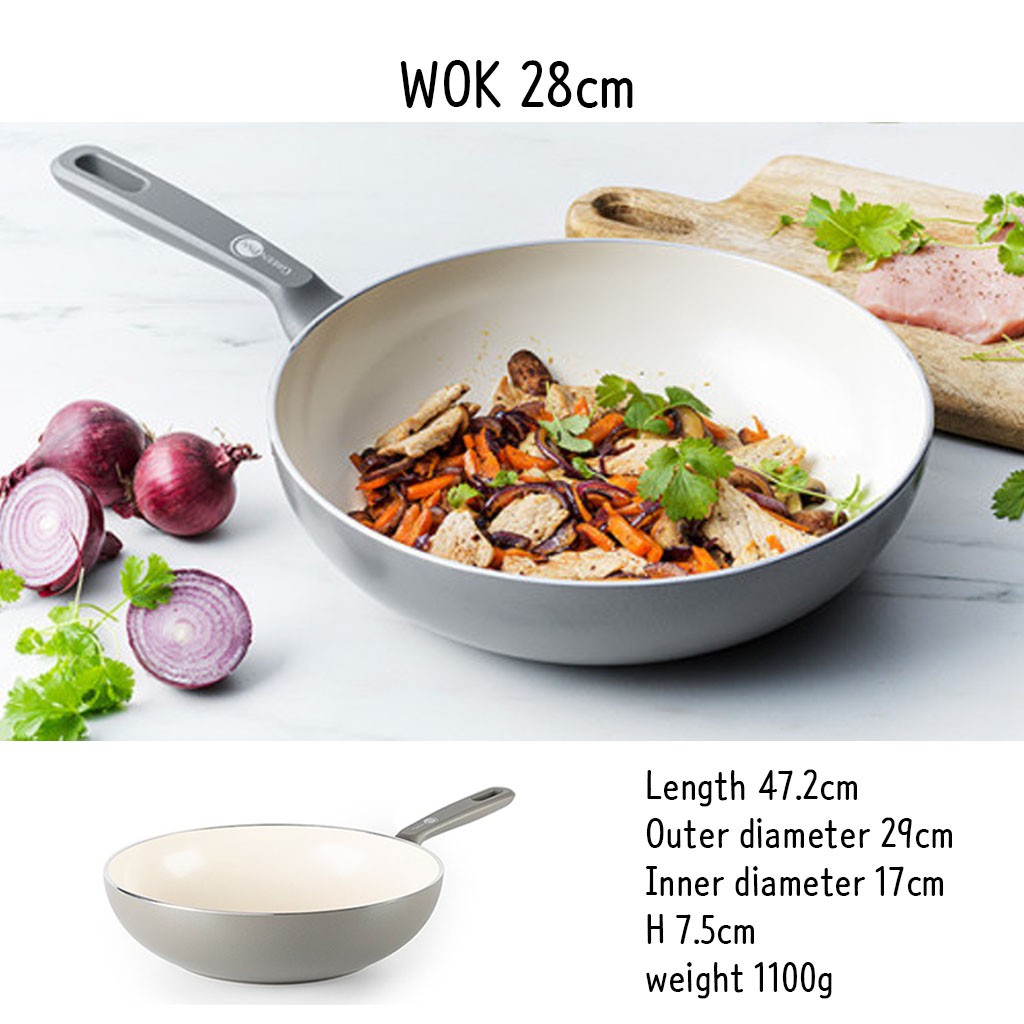
Modern non-stick woks offer convenience, especially for beginners or those seeking easier cleanup. They typically feature a non-stick coating over an aluminum or steel base, preventing food from sticking with minimal oil. While convenient, non-stick coatings are generally not suited for the extremely high heat often used in traditional wok cooking, as excessive temperatures can damage the coating. It’s essential to use non-metal utensils to protect the surface. Brands like Calphalon offer well-designed nonstick woks for versatile home use.
Stainless Steel Woks: Durability and Low Maintenance
Stainless steel woks are known for their resistance to corrosion and ease of cleaning. They are durable and often dishwasher-safe (though manual washing is always recommended for longevity). However, stainless steel doesn’t conduct or retain heat as efficiently as carbon steel or cast iron, which can make achieving a truly dynamic stir-fry more challenging. They often require more oil to prevent sticking.
Flat-Bottom vs. Round-Bottom: What Fits Your Kitchen?
Traditionally, woks have a rounded bottom, perfect for concentrating heat over an open flame and allowing ingredients to move up the cooler sides. This design is ideal for gas stoves, especially with a wok ring, but is not suitable for flat electric or induction cooktops. For modern kitchens, a flat-bottomed wok is essential. It provides stability and even heat distribution on any stovetop, including induction. Many highly-rated woks, like the GreenPan Kyoto and Souped Up Recipes carbon steel woks, feature flat bottoms for versatility.
Choosing Your Culinary Partner: Key Factors When Selecting the Best Chinese Wok Pan
Beyond material, several other factors contribute to finding the best Chinese wok pan for your needs.
Material Matters: Performance and Longevity
As discussed, carbon steel offers the best balance of heat responsiveness, durability, and the ability to develop a natural non-stick surface. Cast iron excels in heat retention for deep searing and charring. Non-stick and stainless steel prioritize ease of use and maintenance, though they may compromise on achieving traditional wok flavors.
Size and Weight: Finding Your Perfect Balance
Woks typically range from 12 to 16 inches in diameter. A 14-inch wok is a popular size for home cooking, offering ample space without being too unwieldy. Consider your arm strength and whether you prefer to toss food dynamically or use a spatula. Heavier woks, especially cast iron ones, can be challenging to lift and maneuver.
Handle Design: Comfort and Control
Wok handles come in various styles. A long, single handle, often made of wood, stays cool during cooking and provides good leverage for tossing. Some woks include a “helper handle” on the opposite side, which is invaluable for lifting a heavy wok full of food. Chef Sophina Uong, a renowned culinary expert, often prefers a welded metal handle for its durability, although she advises that metal handles will conduct heat and require oven mitts. Wooden handles, on the other hand, remain cool, though they may need occasional oiling to prevent cracking.
Cooktop Compatibility: Gas, Electric, or Induction?
Your stovetop dictates the bottom shape of your wok. Gas ranges can accommodate both round-bottom (with a wok ring) and flat-bottom woks. Electric and induction cooktops strictly require flat-bottom woks to ensure efficient heat transfer and stability.
Unlocking Flavor: Essential Usage and Care Tips for Your Wok Pan
Once you’ve chosen the best Chinese wok pan, proper usage and care are paramount to its performance and longevity.
Seasoning Your Wok: A Foundation for Non-Stick Perfection
Seasoning is the process of baking thin layers of oil onto a carbon steel or cast iron wok, creating a natural, non-stick surface and protecting it from rust. For new woks, especially carbon steel, it’s crucial to thoroughly wash and then heat the pan until the metal changes color (often to a blue hue). Then, apply a thin layer of high smoke point oil (like grapeseed or vegetable oil), wipe away excess, and continue heating. Repeat this process several times. This creates a durable, non-stick layer that improves with every use.
Preheating is Key: Getting Your Wok “Wok Hei” Ready
Before adding any ingredients, thoroughly preheat your wok over high heat until it’s smoking. This ensures that food won’t stick and allows you to achieve the high temperatures necessary for “wok hei.” Add your cooking oil only once the wok is hot.
Cleaning and Maintenance: Keeping Your Wok in Prime Condition
For carbon steel and cast iron woks, cleaning should be done with hot water and a soft brush or sponge immediately after use. While a small amount of dish soap is acceptable, avoid harsh detergents and metal scrubbers, as these can strip away the seasoning. Always dry your wok thoroughly after washing and apply a very thin layer of oil to prevent rust, especially before storing. Never put these woks in a dishwasher, as it can severely damage the seasoning and wooden handles.
The Dance of the Wok: Basic Cooking Techniques You Must Master
The wok’s unique design facilitates a range of cooking techniques that are both efficient and delicious.
Stir-Frying: The Heart of Wok Cooking
Stir-frying is the most iconic wok technique, involving rapidly cooking small pieces of food over high heat while continuously stirring and tossing. The high heat seals in juices and creates a delightful texture. The sloped sides of the wok allow you to move partially cooked ingredients up to cooler zones while new ingredients cook quickly at the base.
Deep-Frying: Crispy Delights
The deep, sloped sides of a wok make it excellent for deep-frying. Its shape requires less oil than a flat-bottomed pan for the same depth, and the wider top allows for easy placement and removal of food, yielding perfectly crispy results.
Steaming and Braising: Beyond the Stir-Fry
Woks are incredibly versatile. With the addition of a lid and a steaming rack, they transform into efficient steamers for dumplings, fish, or vegetables. Their deep capacity also makes them suitable for braising meats and simmering stews, allowing flavors to meld beautifully.
Why Wok Cooking Rocks: The Benefits of Using a Wok Pan
Embracing the wok pan in your kitchen offers a multitude of advantages that go beyond just stir-frying.
Speed and Efficiency
The wok’s design promotes rapid cooking, allowing you to prepare meals in minutes. The high heat and constant movement mean ingredients cook quickly and evenly, perfect for busy weeknights.
Healthier Cooking
Wok cooking typically uses less oil than traditional pan-frying. The quick cooking preserves nutrients, and the ability to move food to cooler zones means you can cook ingredients sequentially without overcooking.
Versatility in the Kitchen
A good wok is a true multi-tasker. It can stir-fry, deep-fry, steam, boil, braise, and even smoke food. This versatility means fewer specialized pans cluttering your kitchen and more culinary possibilities at your fingertips. As Chef Uong enthusiastically shares, she uses her wok for everything from popcorn to cooking eggs, and has even turned it upside down to cook flatbreads!
A World of Flavors: Popular Dishes You Can Cook in Your Wok Pan
With the best Chinese wok pan at your side, a global array of dishes awaits.
Classic Stir-Fries
From vibrant vegetable stir-fries with crisp broccoli and bell peppers to succulent beef and broccoli, chicken and cashew, or shrimp with snow peas, the stir-fry possibilities are endless. These dishes highlight the wok’s ability to create perfectly cooked, flavorful meals.
Fried Rice Variations
Transform leftover rice into a culinary delight. Whether it’s classic Yangzhou fried rice, savory pineapple fried rice, or a spicy kimchi fried rice, the wok delivers that essential smoky, slightly charred texture.
Noodle Dishes
Pad Thai, Lo Mein, Singapore Noodles – many beloved noodle dishes come to life in a wok. The wide surface allows noodles to separate and develop a delightful chewiness, while sauces coat them perfectly.
Beyond Asian Cuisine
Don’t limit your wok to Asian dishes! Use it for quickly sautéing vegetables, making large batches of scrambled eggs, preparing chili, or even popping corn for a movie night.
Expert Insights: What the Pros Say
“The wok isn’t just a pan; it’s a cooking philosophy,” says Master Chef Le Bao, founder of the renowned WokPro Culinary Institute. “The speed, the heat, the art of the toss—it all combines to unlock flavors you simply can’t achieve with any other cookware. For aspiring home chefs, investing in the best Chinese wok pan, specifically a well-seasoned carbon steel one, is like gaining a superpower in the kitchen. It’s about more than just making food; it’s about crafting an experience.”
Frequently Asked Questions About Wok Pans
Q: What is the best material for a Chinese wok pan?
A: For authentic, high-heat cooking, carbon steel is widely considered the best material due to its rapid heating, even heat distribution, and ability to develop a natural non-stick seasoning over time.
Q: Can I use a round-bottom wok on an electric stove?
A: A traditional round-bottom wok is not ideal for flat electric or induction stoves. It requires a wok ring or a specialized burner to be stable and transfer heat efficiently. For these stovetops, a flat-bottom wok is necessary.
Q: How do I season a new carbon steel wok?
A: To season, heat the wok until it changes color, then apply a thin layer of high smoke point oil (like grapeseed oil). Wipe off excess and repeat this heating and oiling process 3-4 times to build a protective, non-stick layer.
Q: What is “wok hei” and how do I achieve it?
A: “Wok hei” (the breath of the wok) is the unique smoky, charred, and intensely flavored essence imparted to food cooked rapidly in a properly heated wok. It’s achieved through very high heat, quick cooking, and often a well-seasoned carbon steel wok. Using a gas burner or even a portable butane stove can help generate the necessary heat.
Q: How do I prevent food from sticking to my wok?
A: Proper seasoning is crucial for carbon steel and cast iron woks. Always preheat your wok thoroughly until it’s smoking before adding oil and ingredients. Ensure your wok is dry before adding oil.
Q: Are non-stick woks a good choice?
A: Non-stick woks are convenient for beginners and easier cleanup, but they generally cannot withstand the extreme high temperatures required for traditional wok cooking, which can damage the coating. They are better suited for medium-heat cooking.
Q: How often should I re-season my wok?
A: The seasoning on carbon steel and cast iron woks naturally builds up and wears down. Periodically re-seasoning, especially if food starts to stick or rust appears, will maintain its performance. After each wash, a thin layer of oil helps.
Conclusion: Embrace the Wok Life
The journey to finding the best Chinese wok pan is an exciting one, opening up a world of culinary possibilities. Whether you opt for the traditional performance of carbon steel, the robust heat retention of cast iron, or the modern convenience of non-stick, a wok is an invaluable addition to any kitchen. It’s more than just a piece of cookware; it’s an invitation to explore vibrant flavors, master dynamic cooking techniques, and embrace a healthier, more adventurous approach to your meals. So, grab your wok, ignite the flame, and start creating your own delicious legacy in the kitchen!