Have you ever wondered what secret lies behind those intensely flavorful, perfectly charred, and wonderfully aromatic dishes from your favorite Asian restaurant? It often boils down to one iconic piece of cookware: the wok. But not just any wok. We’re talking about the Authentic Wok Pan, a culinary masterpiece that transforms everyday cooking into an art form. Here at WokPro.vn, we’re passionate about bringing this tradition and expertise right into your home kitchen, empowering you to create incredible meals and experience the true joy of wok cooking.
An authentic wok pan isn’t merely a curved piece of metal; it’s a conduit for high heat, a vessel for ancient culinary techniques, and a gateway to a world of vibrant flavors. It’s the cornerstone for dishes that sing with “wok hei,” that elusive smoky aroma and taste cherished in Asian cuisine.
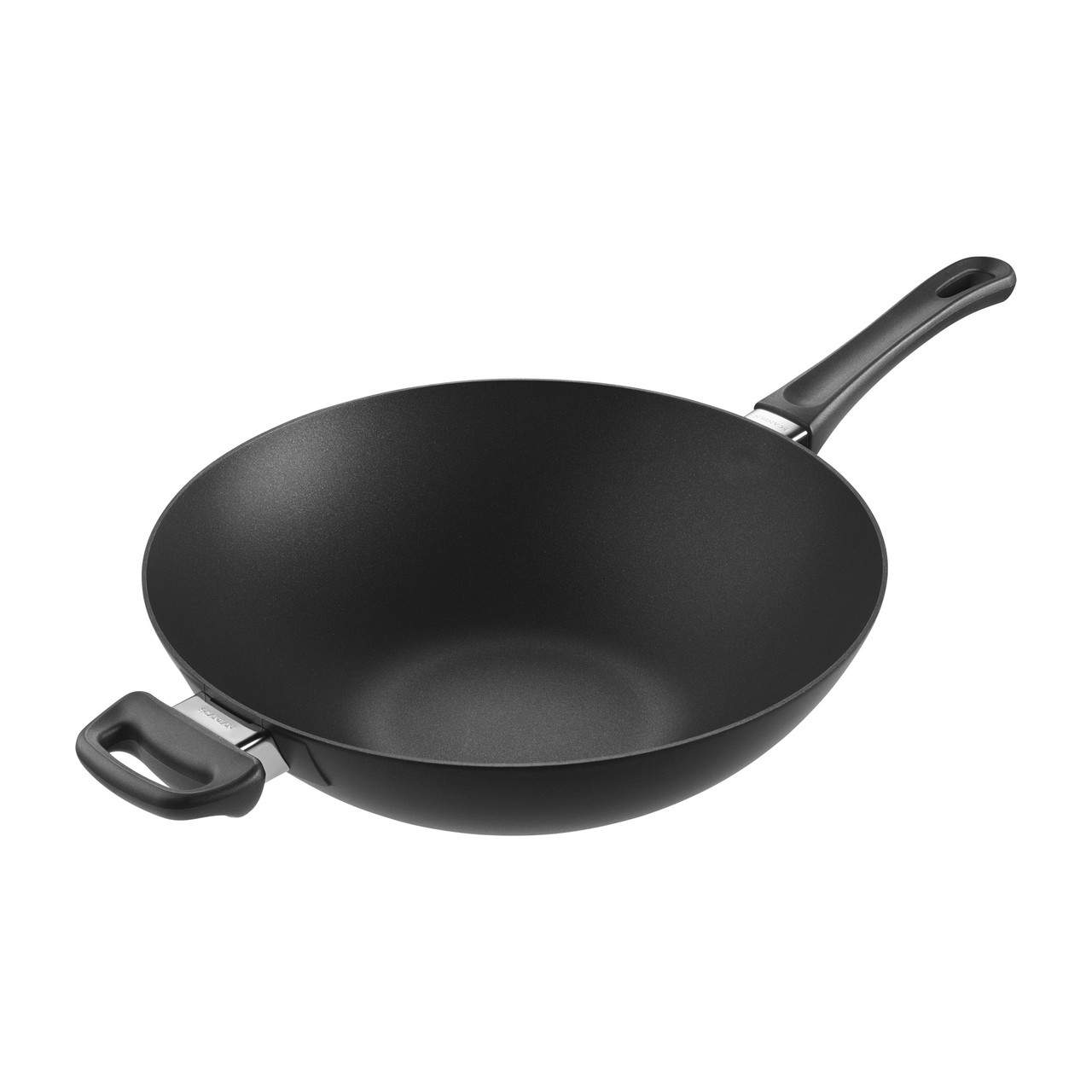
What Exactly Makes a Wok “Authentic”?
When we talk about an authentic wok pan, we’re primarily referring to its fundamental design and the materials it’s crafted from. These elements are crucial for replicating traditional cooking methods and achieving the distinctive taste and texture that sets wok cooking apart.
Shape: Round vs. Flat Bottom – The Traditional Advantage
Historically, woks have always featured a rounded bottom. This design isn’t just aesthetic; it’s deeply functional. A round-bottomed wok, when used on a powerful gas burner or a specialized wok stove, creates a concentrated hotspot at the very center, while the sloped sides offer varying temperature zones. This allows for incredibly fast and precise cooking, enabling you to sear ingredients quickly at high heat and then push them up the sides to keep warm or cook gently. It’s this continuous movement and heat management that defines authentic stir-frying.
While round-bottom woks are the gold standard for tradition, most home kitchens in Western countries aren’t equipped with custom wok stoves. This is why flat-bottom woks have become common, designed to sit stably on electric or induction stovetops. They offer many of the benefits of a wok, like ample cooking surface and sloped sides, but don’t quite achieve the same intense, centralized heat as their rounded counterparts. For a truly authentic experience on a gas range, a round-bottom wok with a stable wok ring is the way to go.
Material Matters: Carbon Steel and Cast Iron – The True Spirit of Wok Cooking
The material of your wok is paramount to its authenticity and performance. For centuries, carbon steel and cast iron have been the undisputed champions. These materials are chosen for their ability to withstand and conduct the intense heat required for genuine wok cooking.
The “Wok Hei” Factor: More Than Just a Pan
The term “wok hei,” often translated as the “breath of the wok” or “essence of the wok,” is the hallmark of truly authentic wok cooking. It describes a complex smoky, charred, and aromatic flavor imparted to food cooked rapidly in a properly seasoned wok over intense heat. This distinct flavor is incredibly difficult to achieve with conventional Western cookware. An authentic wok pan, with its superior heat dynamics and ability to reach scorching temperatures, is indispensable for cultivating this unique culinary magic.
Unveiling the Materials: The Soul of Your Authentic Wok Pan
Understanding the materials available for an authentic wok pan is key to making an informed choice. Each type brings its own characteristics to your cooking journey.
Carbon Steel Woks: The Professional’s Choice
Carbon steel is hands down the most popular material for an authentic wok pan among professional chefs and serious home cooks alike. It’s a workhorse in the kitchen, renowned for its responsiveness and durability.
- Pros: Carbon steel woks are relatively lightweight, making them easy to maneuver for tossing and flipping ingredients—a fundamental technique in stir-frying. They conduct heat exceptionally well and quickly, allowing for precise temperature control. Over time and with proper care, carbon steel develops a natural, non-stick patina (seasoning), making it even more efficient for cooking. They are also quite durable, standing up to the rigors of high-heat cooking.
- Cons: The primary drawback of carbon steel is that it requires initial seasoning and ongoing maintenance to prevent rust. It’s a commitment, but one that rewards you with a pan that gets better with age.
Cast Iron Woks: The Heirloom of the Kitchen
Cast iron woks offer a different, yet equally authentic, cooking experience. They are often cherished for their robust nature and impressive heat retention.
- Pros: Cast iron excels at retaining heat, meaning once it’s hot, it stays hot. This makes it ideal for dishes requiring consistent high temperatures, such as deep-frying or slow braising. It also distributes heat very evenly across its surface. Like carbon steel, cast iron develops a beautiful, natural non-stick surface with seasoning and is incredibly durable, often lasting generations.
- Cons: Cast iron woks are significantly heavier than carbon steel, which can make tossing food a more strenuous task. They also take longer to heat up initially, though they compensate with superior heat retention. Traditional Chinese cast iron woks tend to be thinner than their heavier, Western-produced counterparts, making them somewhat more manageable.
Beyond the Traditional: Why Other Materials Fall Short
While you might encounter woks made from stainless steel or with non-stick coatings, these generally fall short of providing a truly authentic wok cooking experience. Stainless steel, though durable and easy to clean, doesn’t conduct heat as efficiently or evenly as carbon steel or cast iron. Non-stick coatings, while convenient, are not designed to withstand the ultra-high temperatures essential for proper stir-frying and achieving “wok hei.” These coatings can degrade quickly under intense heat, rendering them ineffective and potentially unsafe. For the genuine article, stick to carbon steel or cast iron.
How to Use and Care for Your Authentic Wok Pan: The Art of Seasoning
Owning an authentic wok pan made of carbon steel or cast iron comes with a rewarding ritual: seasoning. This process is vital for creating a natural non-stick surface and protecting your wok from rust. Think of it as developing a deep, personal relationship with your cookware.
Your First Steps: Preparing Your New Wok
Before you even think about cooking, your new wok needs a good cleaning. Manufacturers often apply a protective coating to prevent rust during shipping. You’ll need to remove this thoroughly.
- Wash with Hot Soapy Water: Use hot water and a mild dish soap with a stiff brush or sponge to scrub the wok inside and out. If your wok has a wooden handle, try to keep it dry to prevent warping.
- Rinse Thoroughly: Ensure all soap residue is gone.
- Dry Completely: Place the wok on your stovetop over low heat for a few minutes until every drop of water has evaporated. This is crucial as moisture is the enemy of carbon steel and cast iron, leading to rust.
The Ritual of Seasoning: Building Your Wok’s Non-Stick Soul
Seasoning is the process of baking thin layers of oil onto the wok’s surface, creating a polymerized layer known as a patina. This patina provides the natural non-stick quality and protection.
- Heat the Wok: Place your thoroughly dried wok over high heat on your stove. You’ll notice the metal change color, often turning blue or brownish. This indicates the metal’s pores are opening.
- Apply Oil: Once the wok is hot and showing color changes, reduce the heat slightly and add a small amount (about a tablespoon) of high-smoke-point oil. Peanut, canola, grapeseed, or flaxseed oil are excellent choices. Using a paper towel held with tongs, carefully spread a very thin, almost invisible layer of oil over the entire inside surface of the wok, including the sides.
- Continue Heating: Increase the heat back to medium-high. The oil will start to smoke. Let it smoke for several minutes, allowing the oil to polymerize and bond with the metal. Wipe away any excess oil that beads up.
- Repeat: Once the smoking subsides, turn off the heat and let the wok cool slightly. Repeat the oiling and heating process several times (3-5 times is a good start), allowing the wok to cool between layers. Each layer contributes to a stronger, darker patina.
- Observe the Patina: Your wok is well-seasoned when it develops a dark, semi-glossy, non-sticky surface. Don’t worry if it’s not perfectly even initially; consistent cooking will help build and even out the seasoning.
Daily Care: Keeping Your Wok Happy and Healthy
Maintaining your seasoned wok is simpler than the initial process.
- Clean After Each Use: After cooking, let the wok cool down slightly. Rinse it with hot water and use a soft sponge or wok brush to remove any food residue. Avoid harsh detergents or steel wool, as these will strip your hard-earned seasoning. For stubborn bits, a gentle scrub with salt can help.
- Dry and Oil: Immediately after rinsing, dry the wok completely, preferably by placing it back on the stove over low heat for a minute or two. Once dry, apply a very thin layer of cooking oil with a paper towel before storing. This protective layer prevents rust.
- Use It Regularly: The best way to maintain and improve your wok’s seasoning is to cook with it often! The more you use it, especially for high-fat stir-fries, the better its non-stick properties become.
“Embracing an authentic wok pan is like finding the missing piece in your culinary puzzle. It’s not just cookware; it’s a gateway to rich flavors and a deeper connection with your food,” says Chef Leong Kim, a renowned expert in traditional Asian cooking.
Mastering Basic Wok Pan Cooking Techniques: Beyond the Stir-Fry
While stir-frying is the most iconic technique associated with an authentic wok pan, its unique design makes it incredibly versatile for a multitude of cooking methods.
The Power of Stir-Frying: Speed, Sizzle, and Flavor
Stir-frying in a wok is all about high heat and speed. The sloped sides and concentrated heat allow you to cook ingredients quickly, preserving their crispness, nutrients, and vibrant colors. The continuous tossing and stirring ensure even cooking and that coveted “wok hei” flavor. This method requires all your ingredients to be prepped and ready before you start cooking, as the process itself is very fast.
Versatility Unveiled: Deep-Frying, Steaming, and More
Beyond stir-frying, your authentic wok pan is a multi-talented kitchen tool:
- Deep-Frying: The deep, sloped sides of a wok make it excellent for deep-frying. It requires less oil than a traditional flat-bottomed pot to achieve the necessary depth, and the shape helps to contain splatters.
- Steaming: By placing a steaming rack and bamboo steamer baskets inside, a wok can transform into an efficient steamer, perfect for dumplings, fish, or vegetables.
- Braising and Stewing: Its generous capacity and even heat retention (especially with cast iron) make it suitable for braising meats or simmering flavorful stews and soups.
- Pan-Frying and Searing: The hot surface is perfect for searing proteins or pan-frying items like dumplings until golden and crispy.
The Benefits of Cooking with an Authentic Wok Pan: A Culinary Transformation
Choosing an authentic wok pan isn’t just about tradition; it’s about unlocking a superior cooking experience with tangible benefits for your health and palate.
Unlocking “Wok Hei”: The Taste of Tradition
As discussed, “wok hei” is the unique, smoky, caramelized flavor that truly authentic wok cooking imparts. This signature taste comes from the extreme heat and rapid cooking that only a well-used wok can provide. It elevates simple ingredients into extraordinary dishes, giving them depth and complexity that other cookware simply can’t achieve.
Healthier Meals, Enhanced Nutrients
Wok cooking naturally promotes healthier eating habits. Stir-frying requires minimal oil, yet the high heat ensures food cooks quickly and thoroughly. This rapid cooking process helps to retain the vitamins, minerals, and crisp texture of vegetables, preventing them from becoming soggy and overcooked. It’s an efficient way to pack your diet with fresh, flavorful produce.
Efficiency and Control in Your Kitchen
The design of the wok allows for incredibly efficient cooking. Its large surface area means you can cook larger batches of food than in a typical frying pan. The sloped sides make it easy to toss and turn ingredients without them spilling out, giving you excellent control over the cooking process. The varying heat zones also mean you can simultaneously cook different ingredients at their optimal temperatures, moving them from the intense heat of the center to the gentler warmth of the sides.
Popular Dishes to Cook in Your Authentic Wok Pan: A World of Flavor Awaits
With your authentic wok pan seasoned and ready, a universe of delicious recipes opens up. Here are just a few popular dishes that truly shine when cooked in a wok:
- Stir-fried Beef and Broccoli: A classic for a reason, with tender beef and crisp-tender broccoli.
- Kung Pao Chicken: Spicy, savory, and perfectly balanced, often featuring peanuts and chili peppers.
- Lo Mein and Chow Mein: Perfectly coated noodles with vegetables and your choice of protein.
- Fried Rice: A versatile dish that comes alive with a smoky “wok hei” flavor.
- Ma Po Tofu: A fiery and comforting Szechuan dish with soft tofu and ground pork.
- Cashew Chicken: A delightful combination of tender chicken, crunchy cashews, and crisp vegetables.
- Sweet and Sour Pork: Tangy, sweet, and incredibly satisfying, with pineapple and bell peppers.
- Pad Thai: While Thai, this noodle dish adapts beautifully to the wok’s high-heat capabilities.
- Spring Rolls and Egg Rolls: Deep-fry these crispy delights to perfection in your wok.
- General Tso’s Chicken: Achieve that ideal crispy texture and rich sauce.
Frequently Asked Questions About Authentic Wok Pans
Q: Is a flat-bottom wok truly authentic?
A: While traditional woks are round-bottomed and ideal for gas burners or specialized wok stoves, flat-bottom woks are a practical adaptation for modern electric and induction cooktops. They offer many wok benefits but may not achieve the same intense, centralized “wok hei” heat as a round-bottom wok.
Q: How do I know when my wok is properly seasoned?
A: A properly seasoned wok will have a dark, somewhat glossy, and non-sticky surface. Water should bead up and roll off, and food should release easily during cooking. It will also typically have a very slight, pleasant metallic smell when heated.
Q: Can I use soap to clean my carbon steel wok?
A: For a well-seasoned carbon steel or cast iron wok, it’s best to avoid harsh dish soap as it can strip the patina. Hot water and a soft brush or sponge are usually sufficient. If you must use a tiny bit of mild soap for stubborn residue, always re-dry and re-oil immediately.
Q: What oil is best for wok cooking and seasoning?
A: For both seasoning and high-heat stir-frying, oils with a high smoke point are recommended. Good choices include peanut oil, canola oil, grapeseed oil, and refined avocado oil. Avoid olive oil, butter, or unrefined oils as they have lower smoke points and can burn.
Q: How long does an authentic wok pan last?
A: With proper seasoning and care, an authentic wok pan made from carbon steel or cast iron can last a lifetime and even be passed down through generations. They are incredibly durable and improve with age and use.
Embrace the Authentic Wok Journey with WokPro
An authentic wok pan is more than just a piece of cookware; it’s an investment in countless delicious meals, a connection to rich culinary traditions, and a tool that genuinely enhances your cooking skills. From the sizzling stir-fries to the crispy deep-fried delights, the depth of flavor and texture you can achieve is unparalleled.
At WokPro.vn, we’re dedicated to being your trusted guide on this exciting culinary adventure. Explore our curated selection of high-quality authentic wok pans and accessories, and arm yourself with the knowledge to master the art of wok cooking. It’s time to unleash the heart of Asian cuisine in your kitchen and discover the true joy of cooking with a wok. Your next incredible meal awaits!