Stepping into the kitchen, you’re ready to create a meal that’s both flavorful and fast. For many home cooks and professional chefs alike, the secret weapon for achieving this culinary goal is often a trusty wok. But not just any wok – we’re talking about the versatile, efficient, and often underestimated Aluminum Wok Pan. Lightweight, responsive, and incredibly adaptable, the aluminum wok has carved out a unique space in kitchens around the globe, making stir-frying, searing, and simmering a breeze. It’s a tool that promises to elevate your cooking game, delivering quick, even heat for perfectly cooked dishes every time.
A Brief History of the Wok Pan
The wok, with its distinctive round-bottomed shape and wide, sloping sides, originated in China thousands of years ago. Traditionally crafted from carbon steel or cast iron, it was designed for a diverse range of cooking methods over open flames or charcoal stoves. From stir-frying and deep-frying to steaming and braising, the wok became a cornerstone of Asian cuisine, celebrated for its ability to concentrate heat and facilitate dynamic cooking. As culinary traditions evolved and spread, so did the materials used to craft this iconic piece of cookware. Modern demands for lighter, faster-heating, and easier-to-maintain options led to the emergence of the aluminum wok pan, marrying ancient design with contemporary material science.
Why Choose an Aluminum Wok Pan? Understanding its Core Features
The aluminum wok pan stands out in a crowded market of cookware, thanks to a combination of inherent material properties and intelligent design. These features make it a compelling choice for cooks seeking efficiency and ease in their culinary adventures.
Lightweight Design for Effortless Cooking
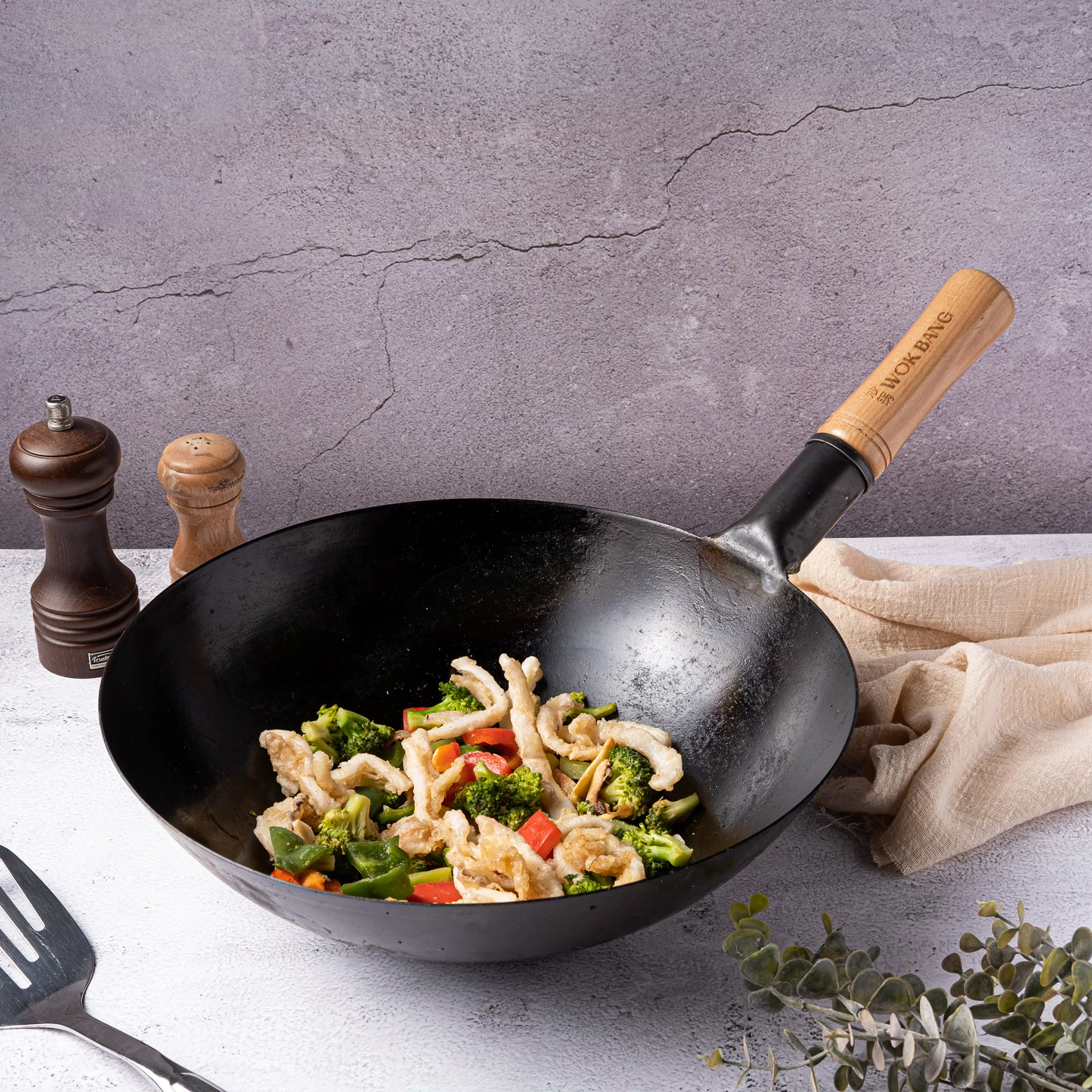
One of the most immediate benefits you’ll notice with an aluminum wok pan is its weight. Compared to its heavier counterparts like cast iron or even carbon steel, aluminum is remarkably light. This makes handling, tossing, and maneuvering the wok a much less strenuous task, even when it’s full of ingredients. For those who love the dynamic movement of stir-frying, a lightweight wok allows for greater control and agility, making the cooking process more enjoyable and less fatiguing. This ease of handling extends to cleaning and storage, making it a practical choice for everyday use.
Exceptional Heat Conductivity for Rapid, Even Cooking
Aluminum is renowned for its outstanding thermal conductivity. This means an aluminum wok pan heats up incredibly fast and distributes that heat uniformly across its surface, minimizing dreaded “hot spots.” This rapid and even heat distribution is crucial for achieving what chefs call “wok hei” – the elusive smoky, charred flavor that defines authentic stir-fries. Your ingredients will cook quickly and consistently, locking in flavors and textures. This efficiency also translates to energy savings, as you’ll spend less time waiting for your pan to reach the desired temperature.
Affordability and Accessibility
For many, the aluminum wok pan offers an attractive balance of performance and price. Generally more affordable than high-end stainless steel or specialty carbon steel woks, it provides an accessible entry point into the world of wok cooking without compromising too much on essential functionalities. This makes it an excellent option for beginners, students, or anyone looking to expand their cookware collection on a budget.
Exploring the Diverse World of Aluminum Wok Pans
While the term “aluminum wok pan” might sound singular, this category encompasses a variety of constructions and finishes, each offering distinct advantages.
Anodized Aluminum: Durability Meets Non-Reactivity
Anodized aluminum woks undergo an electrochemical process that creates a hardened, non-porous surface. This treatment makes the aluminum significantly more durable, resistant to scratches, corrosion, and wear. Crucially, hard-anodized aluminum becomes non-reactive, meaning it won’t interact with acidic foods like tomatoes or citrus, preventing any metallic taste from leaching into your dishes. This enhanced surface also makes it easier to clean and often provides a naturally smoother, less-stick cooking experience, acting much like stainless steel but with aluminum’s superior heat conduction.
Cast Aluminum: Robustness and Even Heat Retention
Cast aluminum woks are made by pouring molten aluminum into molds, allowing for a thicker, more robust construction. This method results in a heavy-gauge wok that boasts excellent heat retention, similar to cast iron, while still being lighter. The thickness also contributes to superior heat distribution, preventing hot spots and ensuring consistent cooking. Many cast aluminum woks are oven-safe and durable, resisting warping and denting that thinner aluminum pans might experience.
Forged Aluminum: Engineered for Performance and Design
Forged aluminum woks are produced through a multi-step process involving stamping and hydraulic pressing. This technique allows manufacturers to create highly engineered designs with strategic variations in thickness, often reinforcing the base and rim for added stability and performance. Forged aluminum woks can also be designed with induction-compatible bases, expanding their versatility across different stovetop types. They offer a refined balance of durability, efficient heating, and often come with ergonomic designs for comfortable handling.
The Rise of Non-Stick Aluminum Woks
Many aluminum wok pans today feature non-stick coatings, often made from PTFE (like Teflon), ceramic, or newer granite/marble-infused materials. These coatings provide an incredibly easy-release surface, ideal for delicate ingredients and effortless cleanup. Modern non-stick aluminum woks increasingly feature PFOA-free and PTFE-free options, addressing health and environmental concerns. While convenient, these coatings require gentle handling with non-metal utensils to prevent scratching and degradation, which can impact their lifespan and effectiveness.
Aluminum Wok Pan vs. Other Wok Materials: A Quick Comparison
Choosing a wok often involves weighing the pros and cons of different materials. Here’s how the aluminum wok pan stacks up against some popular alternatives.
Aluminum vs. Carbon Steel Woks
Carbon steel woks are the traditional choice for authentic Asian cooking, praised for their ability to achieve intense “wok hei” and develop a natural, long-lasting seasoning over time. They are durable and can withstand very high temperatures. However, carbon steel woks are heavier, require meticulous seasoning and maintenance to prevent rust, and can react with acidic foods, stripping the seasoning. Aluminum woks, especially anodized or coated versions, are lighter, easier to maintain, and non-reactive, offering a good balance for everyday home use, though some traditionalists might argue they don’t quite replicate the unique character of a perfectly seasoned carbon steel.
Aluminum vs. Stainless Steel Woks
Stainless steel woks are durable, rust-resistant, and non-reactive, making them a low-maintenance option that can handle acidic ingredients without issue. However, stainless steel is a poor heat conductor compared to aluminum, often leading to slower heating and potential hot spots unless it features an aluminum or copper core (clad construction). Aluminum woks excel in rapid and even heat distribution, making them more efficient for quick stir-fries. While stainless steel is rugged, aluminum often wins for responsiveness and ease of maneuverability. Hard-anodized aluminum can offer a similar non-reactive surface to stainless steel but with superior thermal performance.
Mastering Your Aluminum Wok Pan: Usage and Care Guide
To ensure your aluminum wok pan serves you well for years, understanding proper usage and maintenance is key.
First Use: The Importance of Initial Cleaning and (Optional) Seasoning
Before its maiden voyage, always wash your new aluminum wok pan with warm water, mild dish soap, and a soft sponge to remove any manufacturing residues or packaging debris. Rinse it thoroughly and dry it completely. If you have an uncoated aluminum wok, or simply want to enhance the non-stick properties and protect the surface, you might consider seasoning it. This process typically involves applying a thin layer of cooking oil, heating the wok until it smokes, allowing it to cool, and repeating the process a few times. This creates a polymerized layer that improves non-stick performance and helps prevent discoloration.
Cooking Smart: Heat Management and Utensil Choices
Aluminum’s excellent heat conductivity means you often don’t need to cook on the highest heat settings. Using medium to medium-high heat is usually sufficient for most tasks, preventing scorching and prolonging the life of any non-stick coatings. Always match the burner size to the bottom of your wok to ensure even heating and prevent discoloration of the sides. When cooking, reach for wooden, silicone, or heat-resistant plastic utensils. Metal spatulas or spoons can scratch and damage non-stick surfaces or even the anodized layer, compromising your wok’s performance and longevity. Avoid chopping or cutting food directly in the wok to prevent scratches.
Cleaning and Maintenance for Longevity
The golden rule for cleaning an aluminum wok pan: handwash it. Dishwashers, with their harsh detergents and high-heat cycles, can cause discoloration, pitting, and irreparable damage, especially to non-stick or anodized surfaces. Always let your wok cool completely before washing; sudden temperature changes can warp the metal. Use warm water, a mild dish soap, and a soft sponge or cloth. For stubborn food residues, a soak in warm soapy water usually does the trick. Avoid abrasive scrubbers, steel wool, oven cleaners, bleach, or other harsh chemicals, as these can strip coatings and damage the aluminum. After washing, dry your wok immediately with a clean cloth or paper towel to prevent water spots and limescale buildup. Store it carefully to avoid dents or scratches from other cookware.
The Health and Safety Aspect of Aluminum Wok Pans
Concerns about aluminum leaching into food are common. It’s important to differentiate between types of aluminum woks and their associated risks.
Understanding Aluminum Leaching: Coated vs. Uncoated
Uncoated, raw aluminum can react with highly acidic foods (like tomatoes, lemons, or vinegar), potentially leading to a metallic taste in your food and increased leaching of aluminum. While the FDA and CDC consider trace amounts of aluminum safe for most healthy individuals, it’s wise to avoid prolonged cooking of acidic dishes in uncoated aluminum woks. This is where anodized aluminum shines; its hardened, non-reactive surface acts as a barrier, effectively preventing aluminum from leaching into your food. Similarly, woks with quality non-stick coatings also provide a protective layer. If your non-stick coating is scratched or damaged, however, it’s advisable to replace the pan, not just for potential leaching but also because the non-stick performance will be compromised.
Safe Temperatures for Non-Stick Coatings
For aluminum woks with non-stick coatings, particularly those made with PTFE, it’s crucial to be mindful of cooking temperatures. While safe for everyday cooking, exceeding very high temperatures (typically above 500°F or 260°C) can cause some PTFE coatings to degrade and potentially release fumes. Ceramic coatings are generally more heat-resistant but still require caution. Always follow the manufacturer’s guidelines regarding maximum safe temperatures for your specific non-stick aluminum wok pan.
Whipping Up Culinary Delights: Popular Dishes for Your Aluminum Wok Pan
The aluminum wok pan is a master of many culinary trades, ready to tackle a vast array of dishes with its quick and even heating.
Classic Stir-Fries
This is where the aluminum wok truly shines. Its rapid heating and excellent heat distribution make it perfect for quick stir-fries, ensuring vegetables remain crisp and meats are perfectly seared. From vibrant Pad Thai to savory Beef and Broccoli, your aluminum wok will help you achieve that desirable “wok hei” and keep your ingredients moving and cooking efficiently.
Beyond Stir-Frying: Deep Frying, Steaming, and More
Don’t limit your aluminum wok pan to just stir-frying! Its deep, sloping sides are ideal for deep-frying, allowing you to use less oil while safely submerging ingredients. Think crispy spring rolls, tempura, or even homemade donuts. With a bamboo steamer placed inside, it transforms into an excellent steaming vessel for dumplings, fish, or vegetables. You can also use it for shallow frying, searing, and even quickly boiling water for noodles. Its versatility is truly impressive.
Expert Insight: “The Modern Chef’s Ally”
“The aluminum wok pan is truly the modern chef’s ally,” says Chef Anya Sharma, a culinary innovator known for blending traditional techniques with contemporary kitchen tools. “Its lightweight nature makes it incredibly user-friendly for dynamic cooking, while its superior heat conduction allows for perfect sear and quick cooking, essential for vibrant and flavorful dishes. It’s a testament to how traditional cookware can be reimagined for today’s fast-paced kitchens.”
Frequently Asked Questions About Aluminum Wok Pans
Are aluminum woks safe to cook with?
Yes, modern aluminum woks, especially those that are hard-anodized or feature quality non-stick coatings, are generally considered safe for cooking. These protective layers prevent aluminum from leaching into food.
Can I use an aluminum wok on an induction cooktop?
Traditional aluminum woks are not induction compatible. However, many newer aluminum wok pans are designed with an induction-specific base, often made of stainless steel, allowing them to work on induction cooktops. Always check the manufacturer’s specifications.
How do I season an aluminum wok?
For uncoated aluminum woks, seasoning involves washing the wok, then rubbing a thin layer of high smoke point oil (like grapeseed or flaxseed) over the interior, heating it until it smokes, letting it cool, and repeating the process several times. This creates a non-stick, protective layer.
Can I put my aluminum wok in the dishwasher?
It is strongly recommended to handwash aluminum wok pans. Dishwasher detergents are often too harsh and can cause discoloration, corrosion, or damage non-stick and anodized coatings, significantly shortening the lifespan of your wok.
What kind of utensils should I use with an aluminum wok?
To protect the cooking surface, especially on non-stick or anodized aluminum woks, use wooden, silicone, or heat-resistant plastic utensils. Avoid metal utensils as they can scratch and damage the surface.
How long does an aluminum wok typically last?
With proper care and maintenance, a good quality aluminum wok pan can last for many years. Hard-anodized and cast aluminum woks tend to be more durable than thinner, uncoated versions or those with easily damaged non-stick coatings.
Conclusion: Embrace the Versatility of Your Aluminum Wok Pan
The aluminum wok pan is more than just a piece of cookware; it’s an invitation to explore a world of flavors and techniques with confidence and ease. Its winning combination of rapid heating, even heat distribution, and lightweight design makes it a stellar choice for everything from lightning-fast stir-fries to delicate steaming. By understanding its unique properties and committing to proper care, you unlock its full potential, transforming everyday cooking into an exciting culinary journey. So, go ahead, ignite your passion for cooking, and let your aluminum wok pan be the star of your kitchen, inspiring delicious creations for years to come.