Stepping into the kitchen with a vision of vibrant stir-fries, aromatic curries, or crispy spring rolls, you might wonder what truly elevates a meal from good to absolutely sensational. Often, the answer lies in the heart of Asian cooking: A Good Wok Pan. More than just a piece of cookware, the wok is a culinary companion, a versatile vessel that can transform humble ingredients into extraordinary dishes with remarkable speed and flavor. It’s an investment in your kitchen, promising endless possibilities for delicious, healthy, and exciting meals.
The Enduring Legacy of the Wok Pan: A Culinary Journey
The wok’s journey began centuries ago in China, a simple yet ingenious cooking tool born out of necessity and culinary innovation. Its distinctive bowl shape and high, sloping sides were perfectly designed for efficient cooking over open flames, allowing for rapid heating and precise temperature control. Over time, as flavors and techniques traveled, so did the wok, adapting to new kitchens and cultures, but always retaining its fundamental ability to create unforgettable dishes. It evolved from rustic iron pots to the diverse range of materials and designs we see today, each iteration bringing a blend of tradition and modern convenience to home cooks and professional chefs alike.
What Makes A Good Wok Pan Truly Stand Out?
Choosing a good wok pan is akin to selecting the perfect paintbrush for an artist – it profoundly impacts the final creation. The ideal wok is a balance of material, design, and thoughtful features that align with your cooking style and kitchen setup. It should feel like an extension of your arm, ready to tackle any culinary challenge.
The Heart of the Wok: Materials Matter
The material of your wok is paramount, influencing everything from heat distribution to durability and maintenance.
- Carbon Steel Woks: Often hailed as the gold standard, carbon steel is celebrated for its incredible heat responsiveness. It heats up quickly and cools down fast, giving you precise control, which is essential for achieving that elusive “wok hei” – the smoky, complex flavor characteristic of authentic stir-fries. While lightweight and durable, carbon steel requires seasoning (a process of baking oil onto the surface) to create a natural non-stick patina and prevent rust. It’s a commitment, but the reward is a pan that improves with every use.
- Cast Iron Woks: These heavyweights are renowned for their exceptional heat retention. Once hot, they stay hot, making them excellent for searing and achieving a deep char. Cast iron woks are incredibly durable and, like carbon steel, develop a natural non-stick surface with proper seasoning. However, their heft can make tossing food a workout, and they take longer to heat up initially.
- Stainless Steel Woks: For those seeking low maintenance, stainless steel woks are a strong contender. They are non-reactive, meaning you can cook acidic ingredients without worrying about metallic flavors or damaging the pan’s surface. While easy to clean and aesthetically pleasing, stainless steel generally doesn’t conduct heat as efficiently as carbon steel or cast iron, and it won’t develop a natural non-stick coating, often requiring more oil to prevent sticking. Many feature an aluminum core for better heat distribution.
- Non-Stick Coated Woks: Ideal for beginners or those prioritizing convenience, non-stick woks require minimal oil and are incredibly easy to clean. However, traditional non-stick coatings are not designed for the extremely high temperatures required for authentic wok cooking, as excessive heat can degrade the coating and release fumes. If opting for non-stick, look for high-temperature tolerant coatings.
- Anodized Aluminum and Multi-Ply Woks: Anodized aluminum offers a hard, non-reactive, and relatively non-stick surface that heats fast and evenly. Multi-ply options, often combining layers of stainless steel and aluminum, aim to harness the best qualities of both: even heat distribution from aluminum and the durability/non-reactivity of stainless steel. These can be excellent choices for overall performance and ease of care.
Form and Function: Wok Shapes and Handles
The design of a good wok pan extends beyond its material to its fundamental shape and ergonomics.
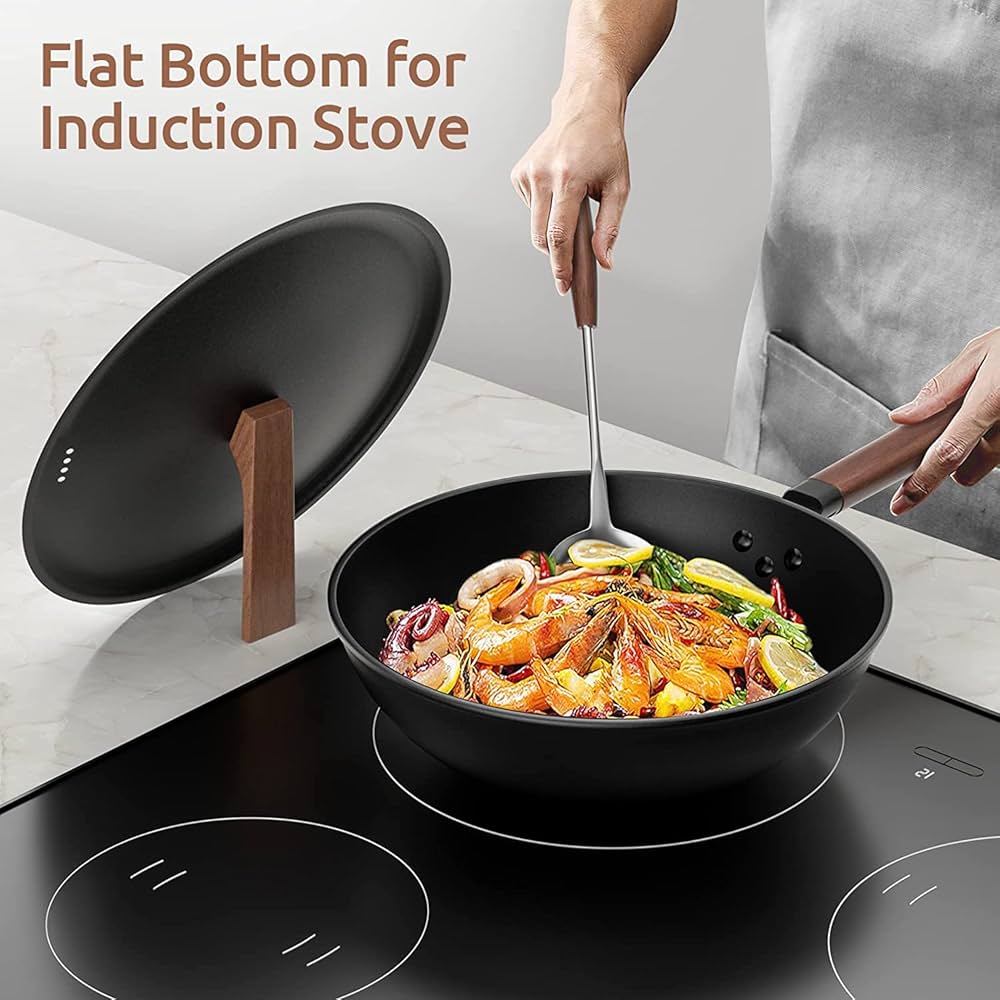
- Round vs. Flat Bottom: The classic wok features a round bottom, perfect for traditional wok burners with powerful, concentrated flames. This design creates distinct heat zones – scorching hot at the bottom for searing, and cooler up the sides for gently cooking or keeping ingredients warm. For most home kitchens, however, a flat-bottom wok is more practical. It provides stability on standard gas, electric, or induction stovetops, ensuring even contact with the heating element.
- Handles: Woks come with various handle configurations. Traditional Mandarin (or Peking) style woks often have a single long stick handle, excellent for tossing and maneuvering. Cantonese woks typically feature two smaller loop handles on opposite sides, making them easier to lift and carry, especially when full. Many modern woks, particularly flat-bottomed ones, combine a long stick handle with a smaller “helper” handle for added grip and balance when moving the pan. Wooden handles are popular for staying cool to the touch, while metal handles can offer greater durability but may require oven mitts. As Chef Anya Sharma, an acclaimed Asian cuisine specialist, often advises, “A wok’s handle should feel like an extension of your hand, offering control and comfort for every flip and toss.”
Mastering Your Wok Pan: Usage and Care Essentials
To truly get the most out of a good wok pan, understanding its proper use and care is just as important as selecting the right one. This commitment ensures longevity and unlocks peak performance, especially for carbon steel and cast iron models.
The Art of Seasoning
Seasoning is the foundation of a great carbon steel or cast iron wok. It’s not just about preventing rust; it’s about building a natural, non-stick patina that enhances flavor over time.
- Initial Clean: Remove the factory protective coating by scrubbing the new wok thoroughly with hot, soapy water. Dry it completely.
- Heat it Up: Place the wok over high heat on your stovetop. Tilt and rotate it so all parts of the surface are exposed to the heat. You’ll see the metal change color (often to a bluish or brownish hue) and smoke as impurities burn off. This might take 10-15 minutes.
- Oil Application: Once the wok has changed color, reduce the heat to medium-low. Add about a tablespoon of a high smoke point oil (like canola, vegetable, or peanut oil). Using tongs and a paper towel, carefully wipe the oil evenly across the entire interior surface.
- Smoke and Repeat: Continue heating until the oil smokes and there’s no visible pooling. Repeat the oiling and heating process a few times until a dark, even layer begins to form.
This initial seasoning lays the groundwork, but the real magic happens with repeated use.
Daily Maintenance for Longevity
Caring for your wok is simpler than you might think, but consistency is key.
- Hand-Wash Only: Never put a seasoned wok in the dishwasher. The harsh detergents will strip away the hard-earned patina. After cooking, simply rinse your wok with hot water and use a soft sponge or a bamboo wok brush to gently remove food residue. Avoid abrasive scrubbers.
- No Soap (Mostly): Many wok enthusiasts avoid soap entirely for daily cleaning to preserve the seasoning. However, a little mild soap won’t ruin a well-established patina. Just make sure to rinse thoroughly.
- Dry Immediately: Water is the enemy of carbon steel and cast iron. After washing, immediately dry your wok completely with a towel, then place it back on the stove over low heat for a minute or two to evaporate any lingering moisture.
- Light Oil Coat: Once dry and slightly warm, wipe the interior with a very thin layer of cooking oil. This acts as a protective barrier against rust and helps reinforce the seasoning.
Protecting Your Investment
A few simple precautions can extend the life of your wok:
- Avoid Acidic Foods (Initially): When your wok is new and the seasoning is still developing, try to avoid cooking highly acidic foods like tomatoes or vinegar, as they can strip the fresh patina.
- Proper Storage: Store your wok in a dry place. If stacking, place a paper towel between pans to prevent scratches and moisture buildup.
Unleashing Culinary Magic: Basic Wok Cooking Techniques
The true beauty of a good wok pan lies in its incredible versatility. While famed for stir-frying, it’s a multi-talented tool that can handle a surprising array of cooking methods, all thanks to its unique design and heat dynamics.
High Heat Cooking: The Art of Stir-Frying
Stir-frying is where the wok truly shines. The high, sloped sides allow for rapid, even cooking and easy tossing, while the concentrated heat at the bottom quickly sears ingredients, locking in flavor and texture. This technique is all about speed and heat.
- “Wok Hei”: The Breath of the Wok: This elusive characteristic refers to the unique smoky, charred, and intensely flavorful essence imparted to food cooked in a well-seasoned wok over high heat. Achieving “wok hei” at home requires patience, a hot wok, and not overcrowding the pan.
- Preparation is Key: With stir-frying, everything happens fast. Have all your ingredients chopped, measured, and ready to go (mise en place) before the wok even hits the heat.
Other Versatile Uses
Beyond stir-frying, a wok can become your go-to for many kitchen tasks:
- Deep-Frying: The deep, concave shape requires less oil than a flat-bottomed pan for deep-frying, and its even heat distribution ensures perfectly crispy results. Think spring rolls, tempura, or even homemade donuts.
- Steaming: By placing a steaming rack inside the wok and adding water, you can effortlessly steam vegetables, fish, dumplings, or buns, providing a healthy and gentle cooking method.
- Boiling & Braising: Its large capacity makes it excellent for boiling pasta or blanching vegetables. It’s also ideal for braising larger cuts of meat or preparing stews and curries, allowing for consistent heat around the ingredients.
Why Every Kitchen Needs A Good Wok Pan
For anyone passionate about cooking, investing in a good wok pan offers a multitude of benefits that extend far beyond simply making Asian cuisine. It’s a tool that genuinely enhances your cooking experience.
- Unmatched Versatility: As we’ve seen, a wok can stir-fry, deep-fry, steam, boil, braise, and even smoke. It’s like having multiple specialized pans rolled into one, saving space and making it an incredibly efficient kitchen tool.
- Speed and Efficiency: The wok’s design facilitates rapid cooking, especially with its ability to maintain high heat and distribute it effectively. This means quicker meal preparation and more time to enjoy your creations.
- Healthier Cooking: The high heat and rapid cooking of stir-frying minimize the need for excessive oil, allowing you to prepare fresh, nutrient-rich meals with vibrant textures. Steaming in a wok is another excellent way to cook healthily.
- Explosion of Flavor: The unique heat dynamics of a wok, particularly the ability to achieve “wok hei,” unlock unparalleled depth and complexity of flavor that’s difficult to replicate in other cookware. Every dish becomes a culinary adventure.
Popular Dishes to Wok Your Way Through
With a good wok pan at your disposal, a world of exciting flavors opens up. Here are just a few ideas to get your culinary journey started:
- Classic Stir-fries: From vibrant vegetable stir-fries with tofu or chicken to savory beef and broccoli, the possibilities are endless.
- Noodle Dishes: Whip up restaurant-quality Pad Thai, Lo Mein, or Singapore Noodles, capturing that authentic texture and flavor.
- Fried Rice: Transform leftover rice into a flavorful meal, with perfectly separated grains and crispy bits.
- Deep-Fried Delights: Achieve golden perfection with homemade spring rolls, tempura vegetables, or crispy fried chicken.
- Steamed Dumplings & Fish: Gently steam delicate dumplings or whole fish for a light, healthy, and flavorful meal.
FAQs: Your Burning Wok Pan Questions Answered
What size wok is best for home use?
For most home cooks, a 12-inch to 14-inch wok is ideal. This size offers ample cooking space for a family of four while still being manageable on a standard stovetop. Larger woks can be cumbersome, while smaller ones might limit your ability to properly stir-fry without overcrowding.
Can I use my wok on an induction cooktop?
Yes, but it depends on the wok. For induction cooktops, you’ll need a flat-bottomed wok made from a magnetic material like cast iron or magnetic carbon steel. Traditional round-bottom woks will not work unless you have a specialized induction wok burner. Always check the manufacturer’s specifications.
How do I achieve “wok hei” at home?
Achieving “wok hei” requires high heat and good technique. Preheat your wok until it’s smoking hot before adding oil and ingredients. Don’t overcrowd the pan; cook in batches if necessary. Keep the food moving to ensure even cooking and caramelization, allowing it to sear briefly on the hot surface before tossing again. Using a carbon steel wok on a powerful burner helps significantly.
Is a non-stick wok a good wok pan for beginners?
For beginners, a non-stick wok can be a good entry point due to its ease of cleaning and reduced sticking. However, be mindful that non-stick coatings typically cannot withstand the extremely high temperatures often associated with traditional wok cooking and “wok hei.” If you plan to truly explore high-heat stir-frying, a seasoned carbon steel or cast iron wok is generally recommended once you’re comfortable with basic techniques.
How often should I re-season my wok?
For carbon steel and cast iron woks, every time you cook with oil, you’re essentially reinforcing the seasoning. A well-used wok rarely needs a full re-seasoning. However, if you notice food sticking more than usual, dull spots, or a bit of rust, a light re-seasoning or focused oiling can quickly restore its surface. Regular use and proper post-cooking care are your best allies.
Embrace the WokPro Way: Your Journey to Culinary Excellence
Embarking on the journey with a good wok pan is more than just adding a piece of cookware to your collection; it’s opening a gateway to a world of flavor, tradition, and culinary adventure. From the nuanced heat control of carbon steel to the robust durability of cast iron, each wok offers a unique pathway to creating dishes that are not only delicious but also deeply satisfying to prepare.
At WokPro.vn, we believe in empowering every home cook to embrace the art of wok cooking. Whether you’re mastering the quick dance of a stir-fry, savoring the crisp perfection of deep-fried delights, or exploring the wholesome goodness of steamed dishes, your wok will become an indispensable tool. So, get ready to ignite your passion, experiment with new recipes, and let a good wok pan transform your kitchen into a hub of culinary creativity. Happy cooking!